
Common Pests in the Gulf Coast
The Gulf Coast faces relentless, year-round pest pressure fueled by subtropical heat, extreme humidity, and proximity to water. Formosan subterranean termites cause catastrophic structural damage, and the region supports the highest mosquito diversity in the country. Hurricanes and tropical storms create surges in pest activity by displacing colonies and flooding structures.
Subtropical with very high humidity, mild winters that rarely freeze, and long hot summers; annual rainfall often exceeds 60 inches, with tropical storm activity from June through November.
Seasonal Pest Activity
spring
Formosan subterranean termites swarm in massive clouds around lights in May and June. Fire ant populations explode after spring rains, creating dense mound clusters in lawns. Mosquito season kicks off early as standing water warms. Ghost ants and white-footed ants trail into kitchens and bathrooms.
summer
Mosquito populations reach extreme levels, particularly Aedes and Culex species capable of transmitting dengue, Zika, and West Nile virus. Smokybrown and American cockroaches are ubiquitous. Fleas thrive in the heat and humidity on pets and in yards. Tropical storms and hurricanes displace pest colonies and flood structures, triggering severe infestations.
fall
Pest pressure remains high well into November. Rodents begin entering structures as brief cool fronts arrive. Drywood termite swarms occur in September and October in South Florida. Fire ants remain aggressive and territorial. Palmetto bugs and Asian cockroaches are active around exterior lighting.
winter
Mild Gulf Coast winters provide no real relief from pest activity. Subterranean termites feed continuously. Rodents shelter indoors. Cockroaches remain active in wall voids and plumbing chases. Mosquitoes persist in southern Florida and along the lower Gulf, with reduced but not eliminated populations elsewhere.
Top Pests in the Gulf Coast (47)
These pests are commonly encountered across Florida, Alabama, Mississippi, Louisiana, and more.
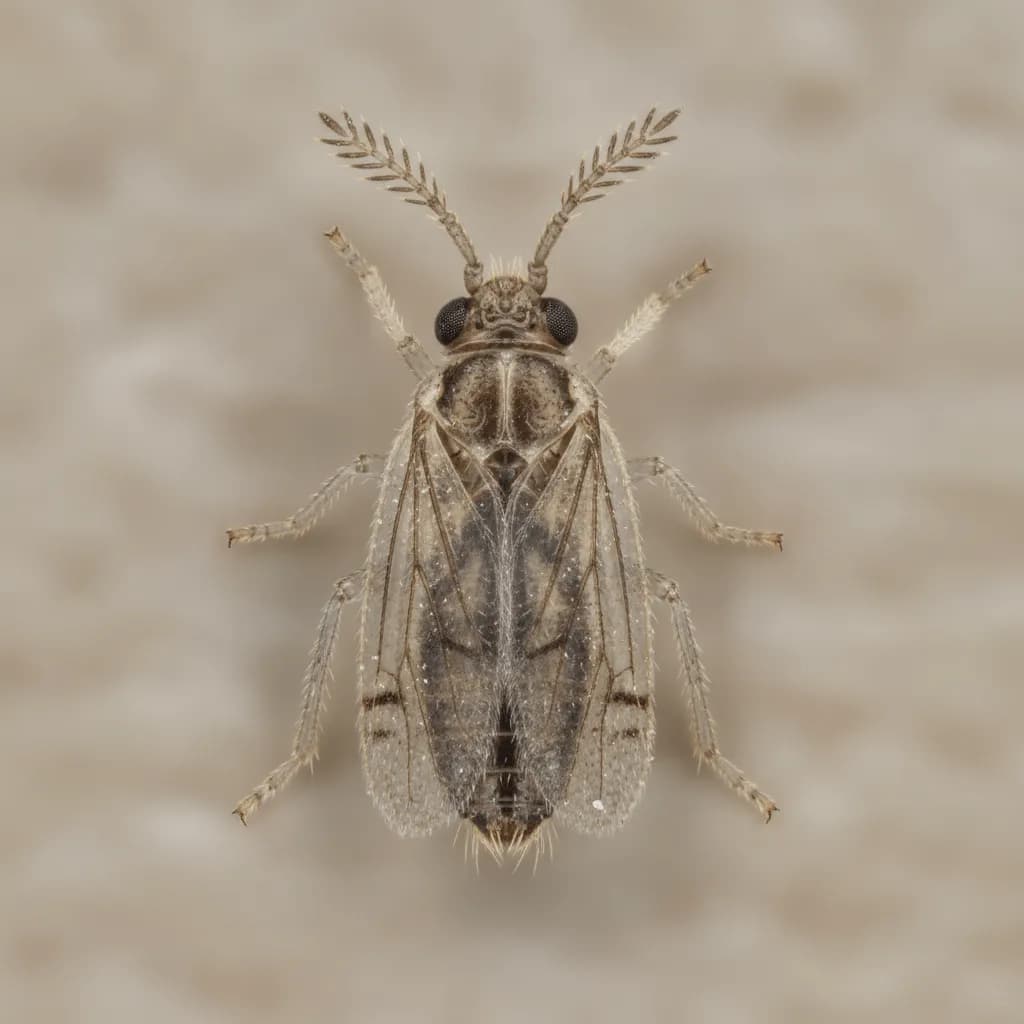
Psocid
Liposcelis spp.
Psocids are extremely small, moisture-dependent insects commonly found in damp indoor environments.
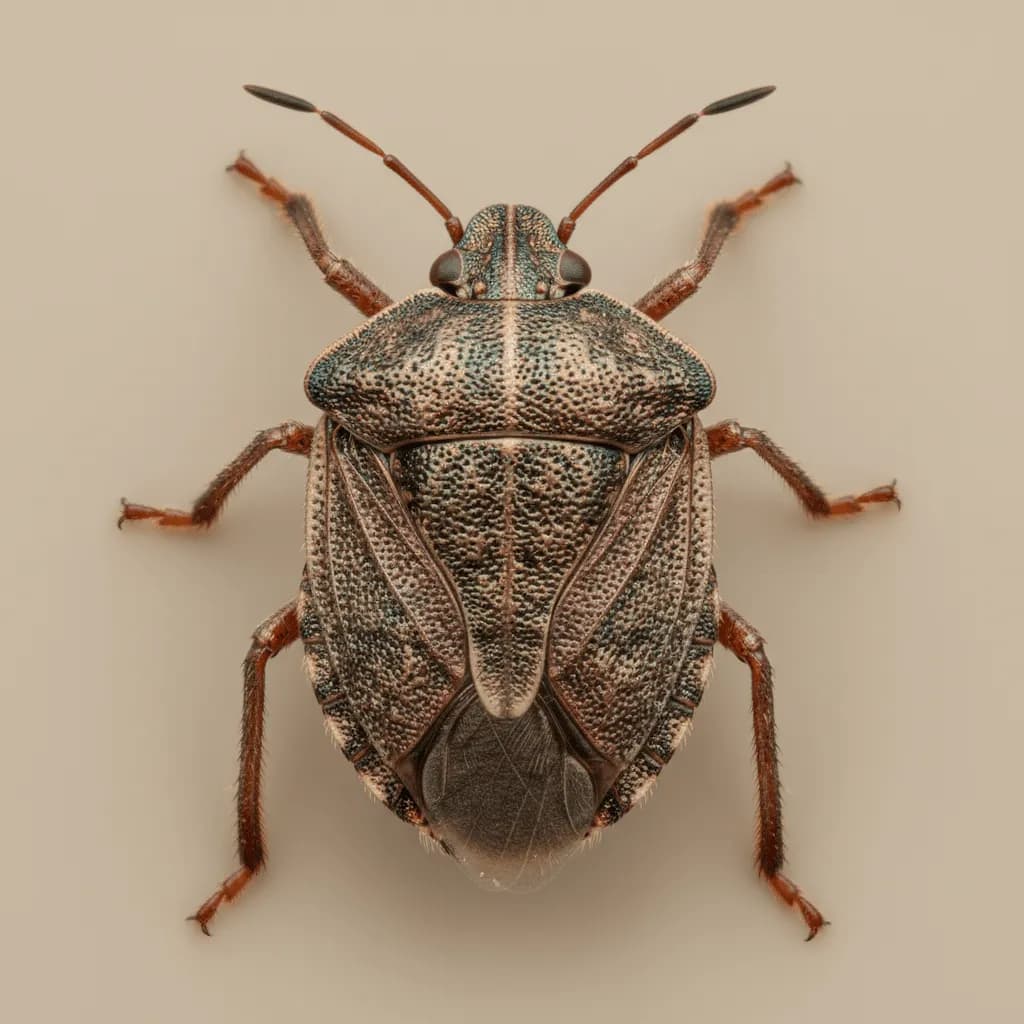
Kudzu Bug
Megacopta cribraria
The Kudzu Bug is an invasive species from Asia first detected in Georgia in 2009.
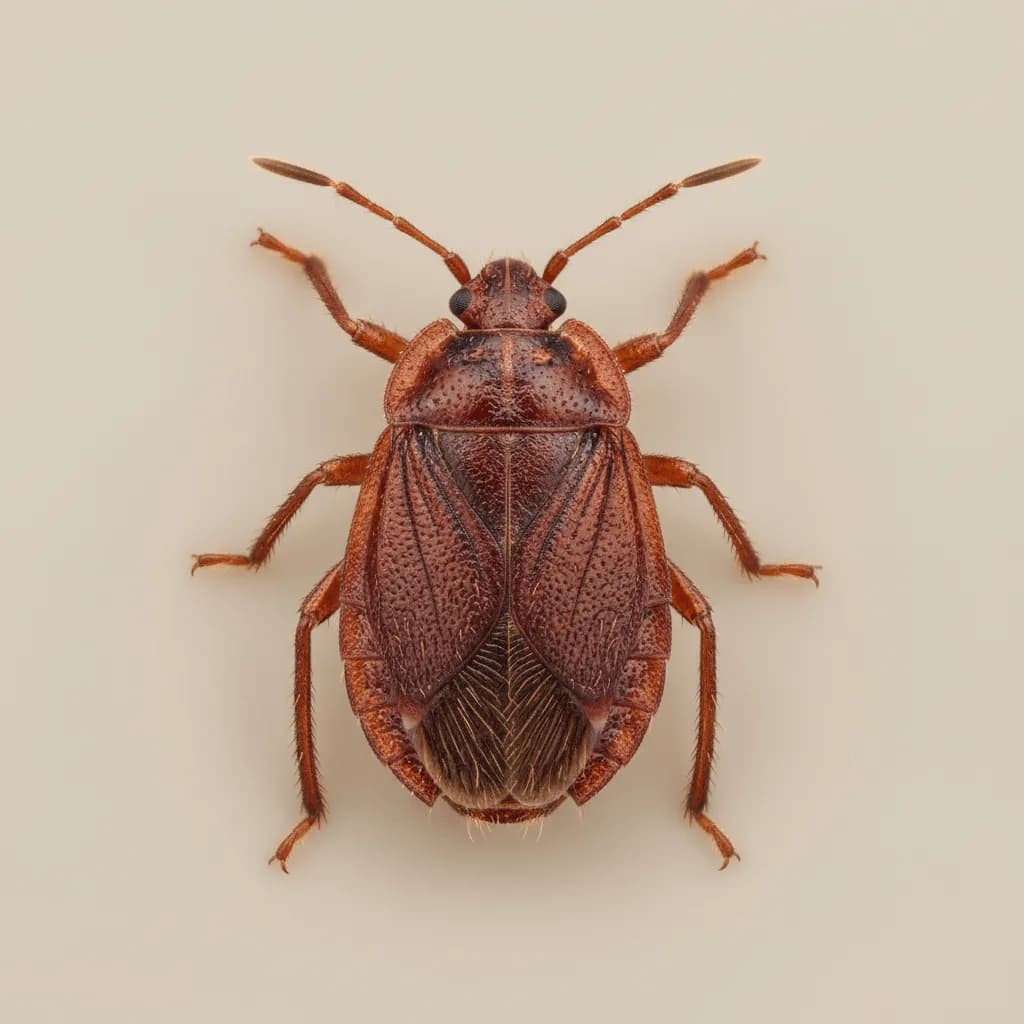
Tropical Bed Bug
Cimex hemipterus
The Tropical Bed Bug is the warm-climate counterpart of the common bed bug, found primarily in tropical and subtropical regions.
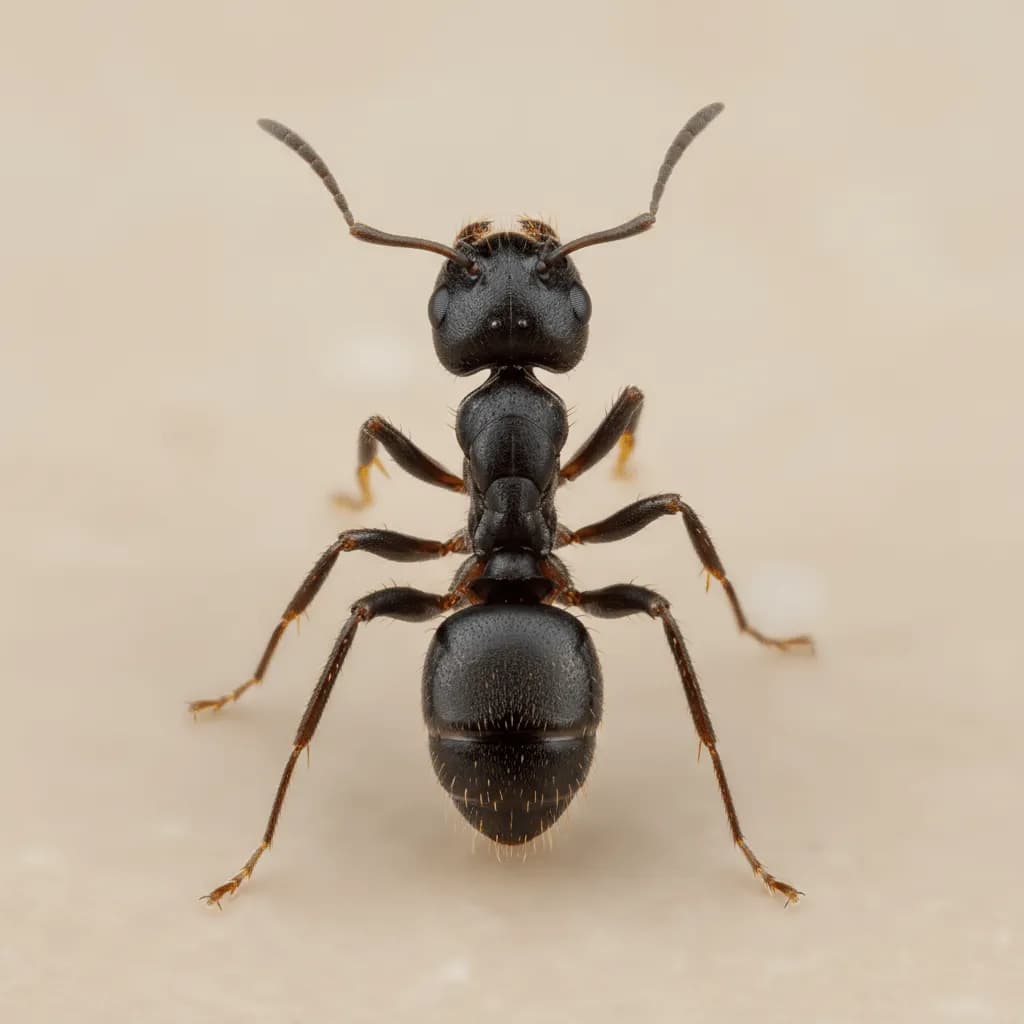
White-Footed Ant
Technomyrmex difficilis
The White-Footed Ant is an invasive species that forms enormous colonies, sometimes containing millions of individuals.
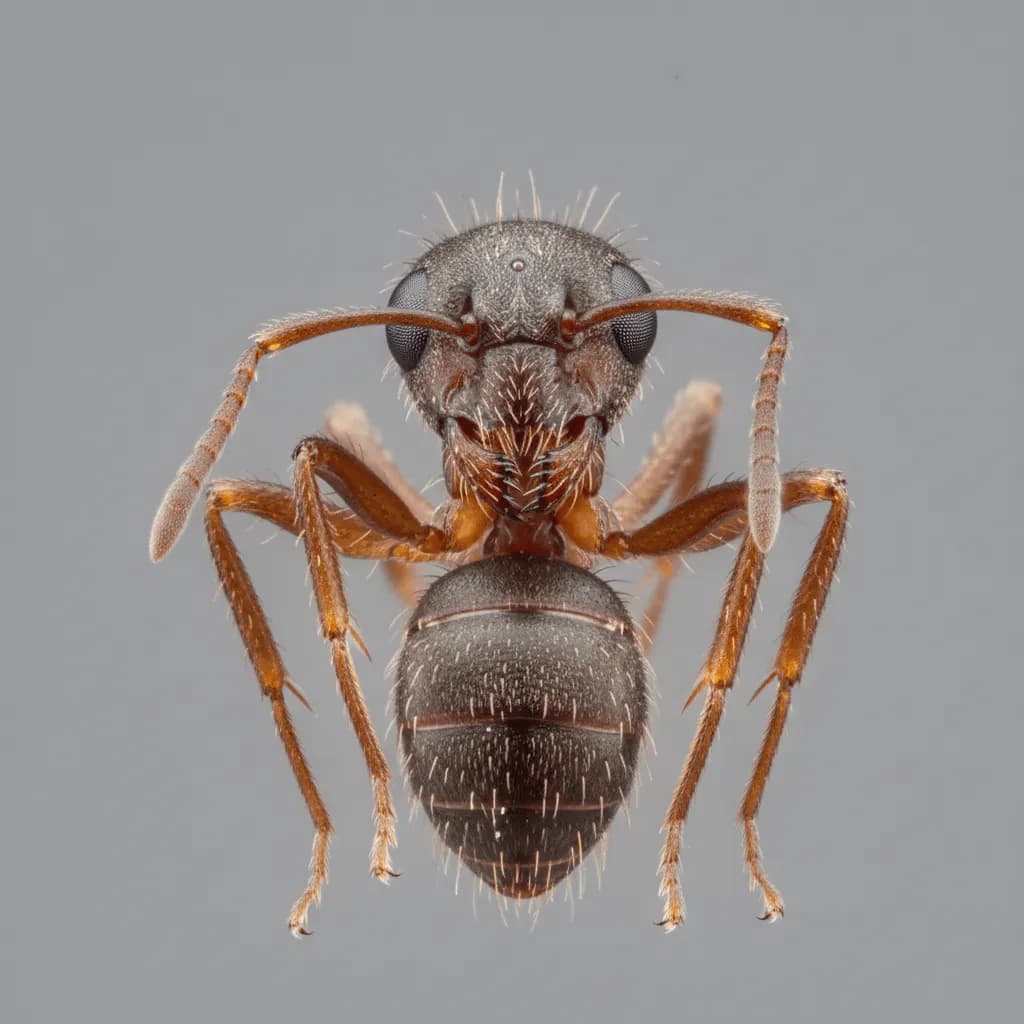
Rover Ant
Brachymyrmex patagonicus
The Rover Ant is one of the smallest pest ants in North America.
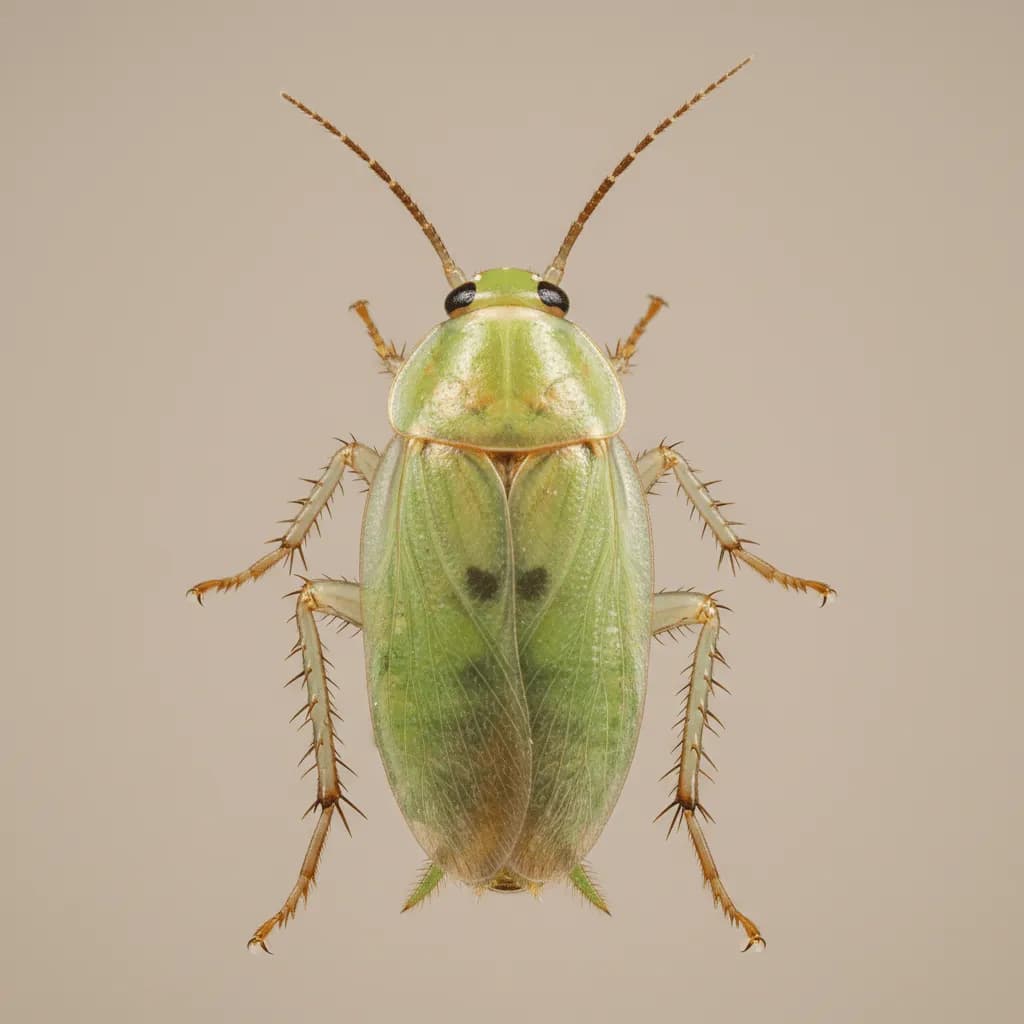
Cuban Cockroach
Panchlora nivea
The Cuban Cockroach is one of the few brightly colored cockroaches encountered in the United States.
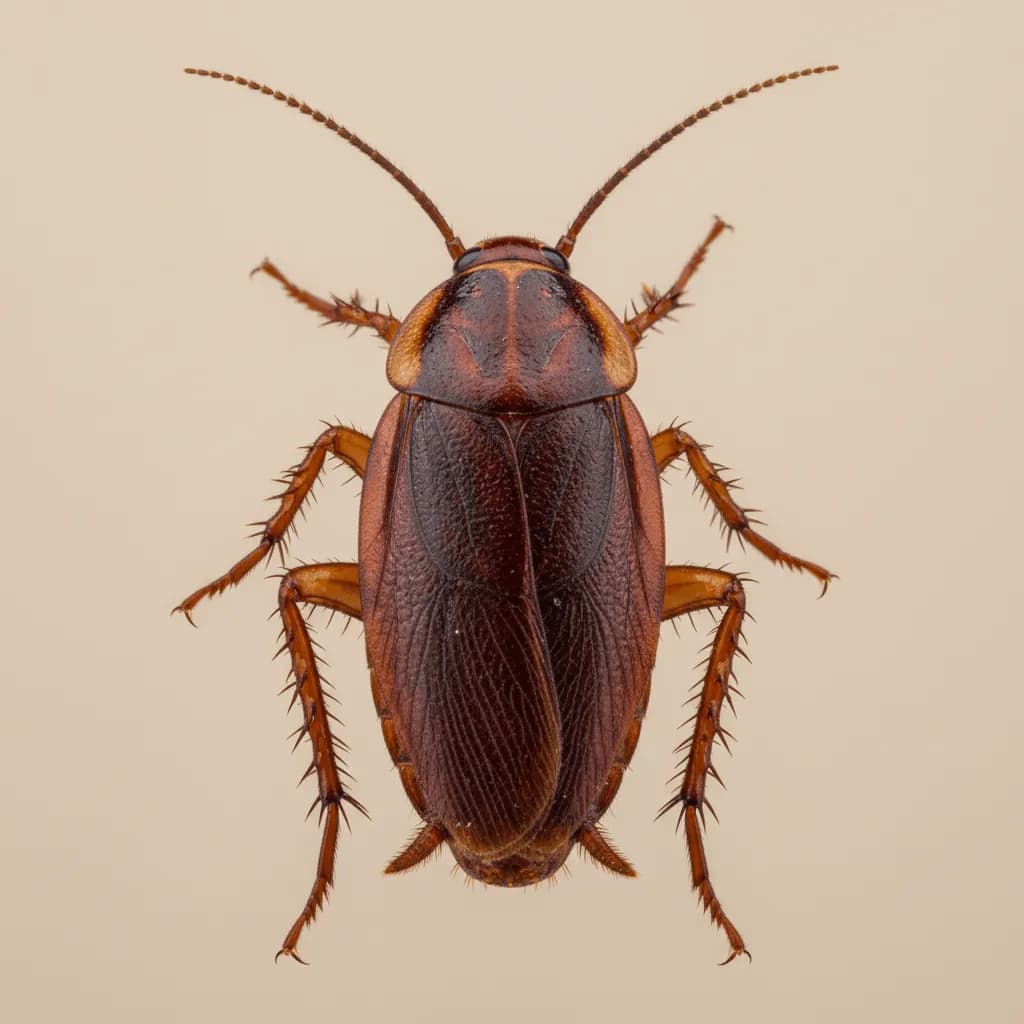
Florida Woods Cockroach
Eurycotis floridana
The Florida Woods Cockroach is a large, slow-moving roach native to the southeastern United States.
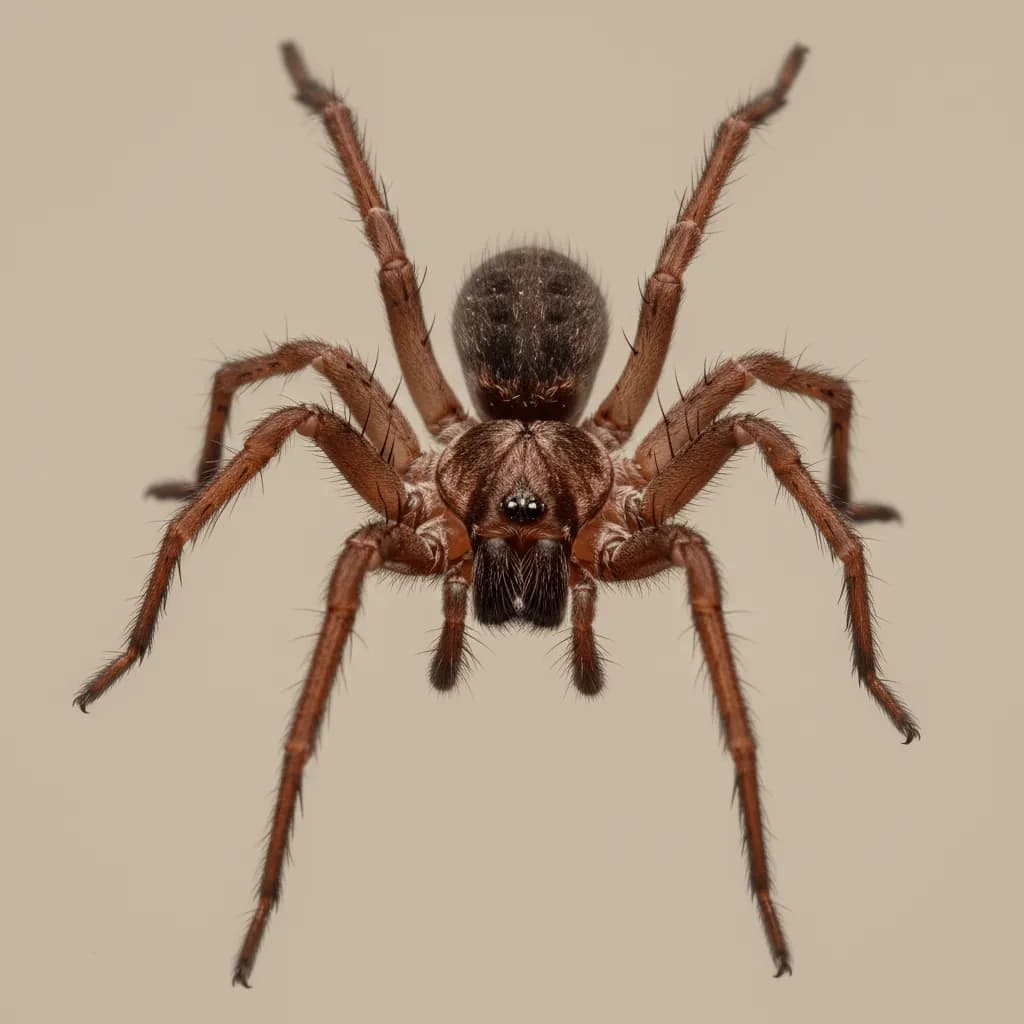
Southern House Spider
Kukulcania hibernalis
The Southern House Spider is one of the most commonly misidentified spiders in the southeastern United States, with males regularly mistaken for brown recluse spiders.
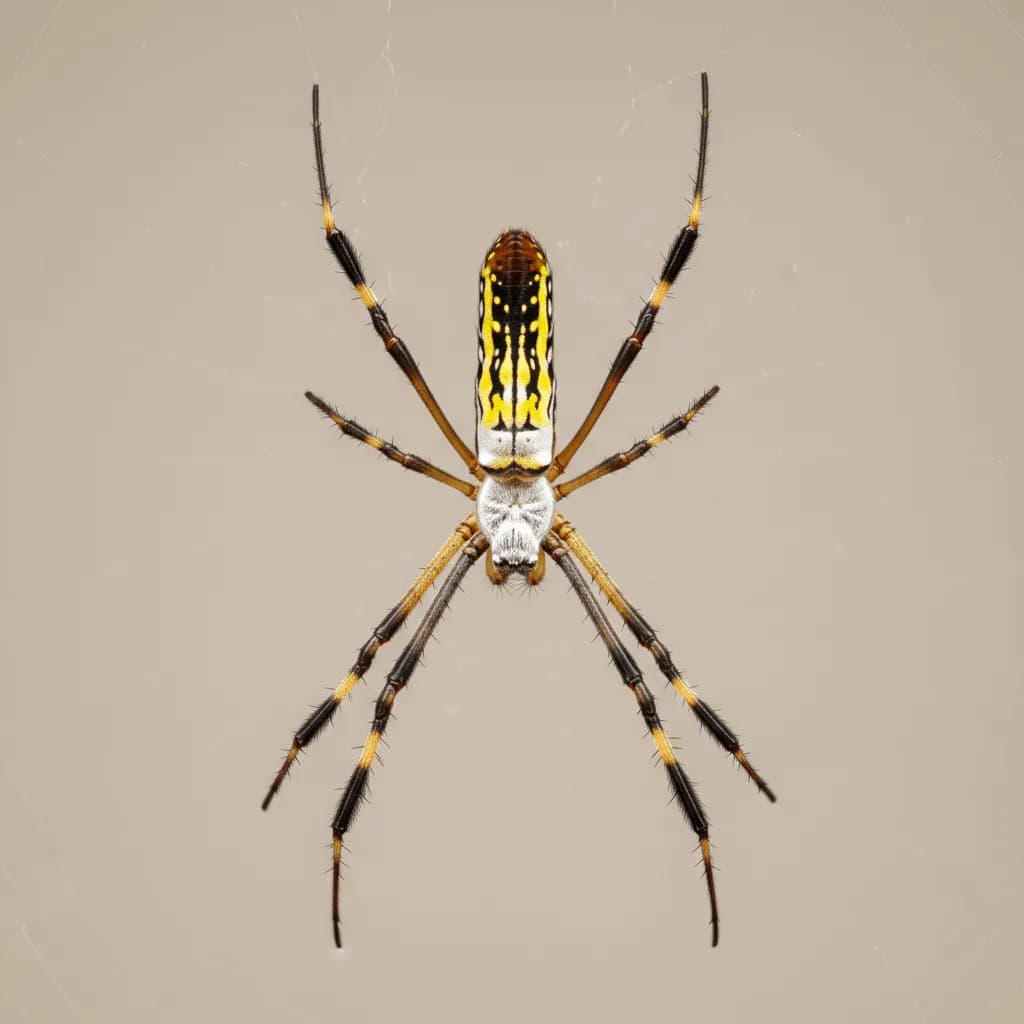
Banana Spider
Trichonephila clavipes
The Banana Spider, more accurately called the Golden Silk Orb-Weaver, is one of the largest and most conspicuous spiders in the southeastern United States.
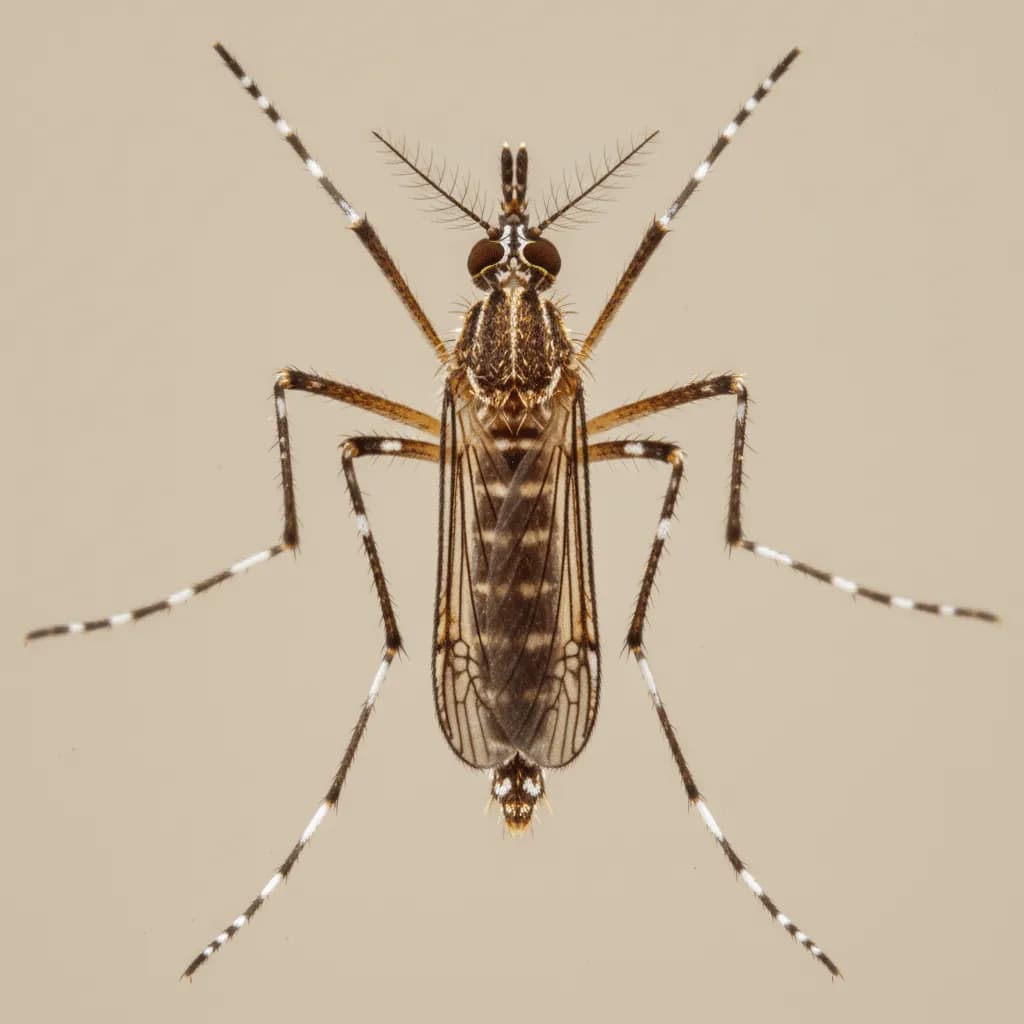
Eastern Saltmarsh Mosquito
Aedes sollicitans
The Eastern Saltmarsh Mosquito is one of the most abundant and aggressive biting mosquitoes along the Atlantic and Gulf coasts.
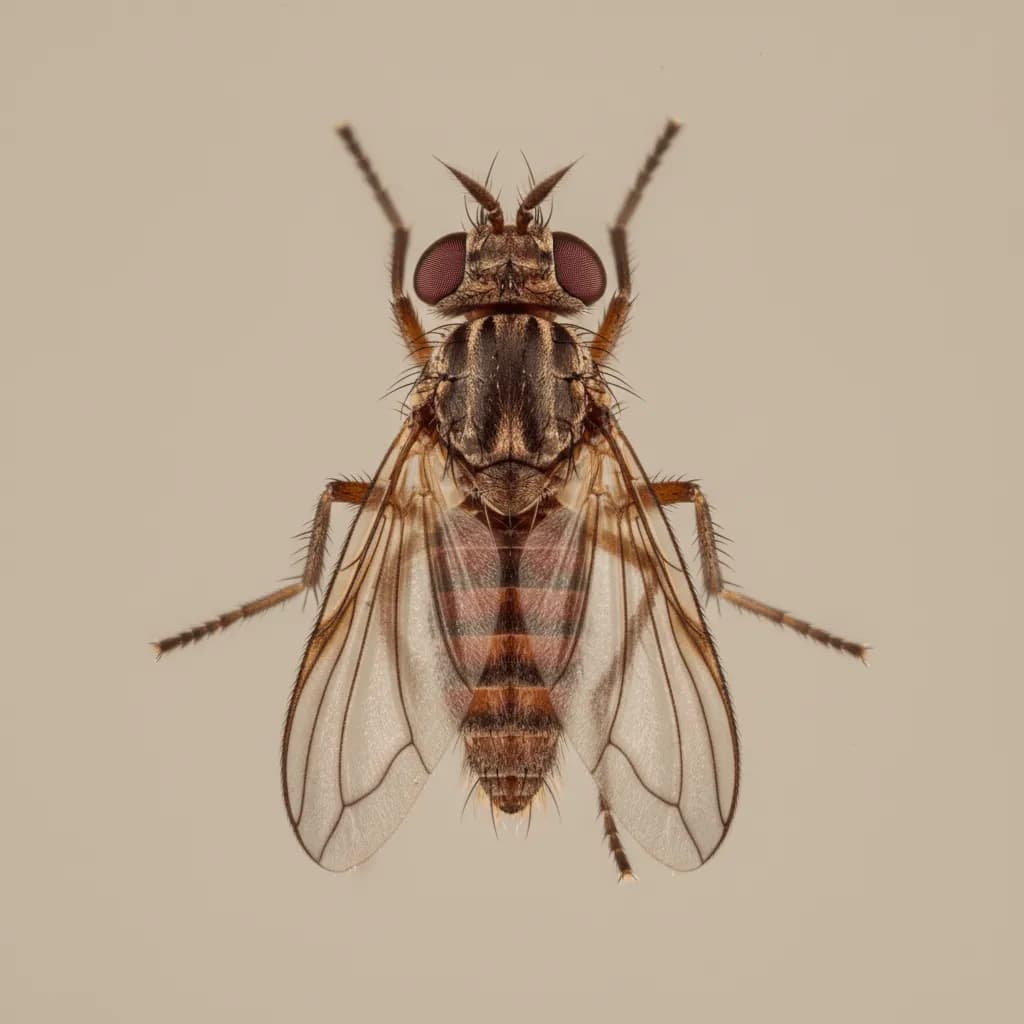
Sand Fly
Lutzomyia spp.
Sand flies are tiny biting flies in the family Psychodidae that are significant nuisance biters and disease vectors in tropical and subtropical regions.
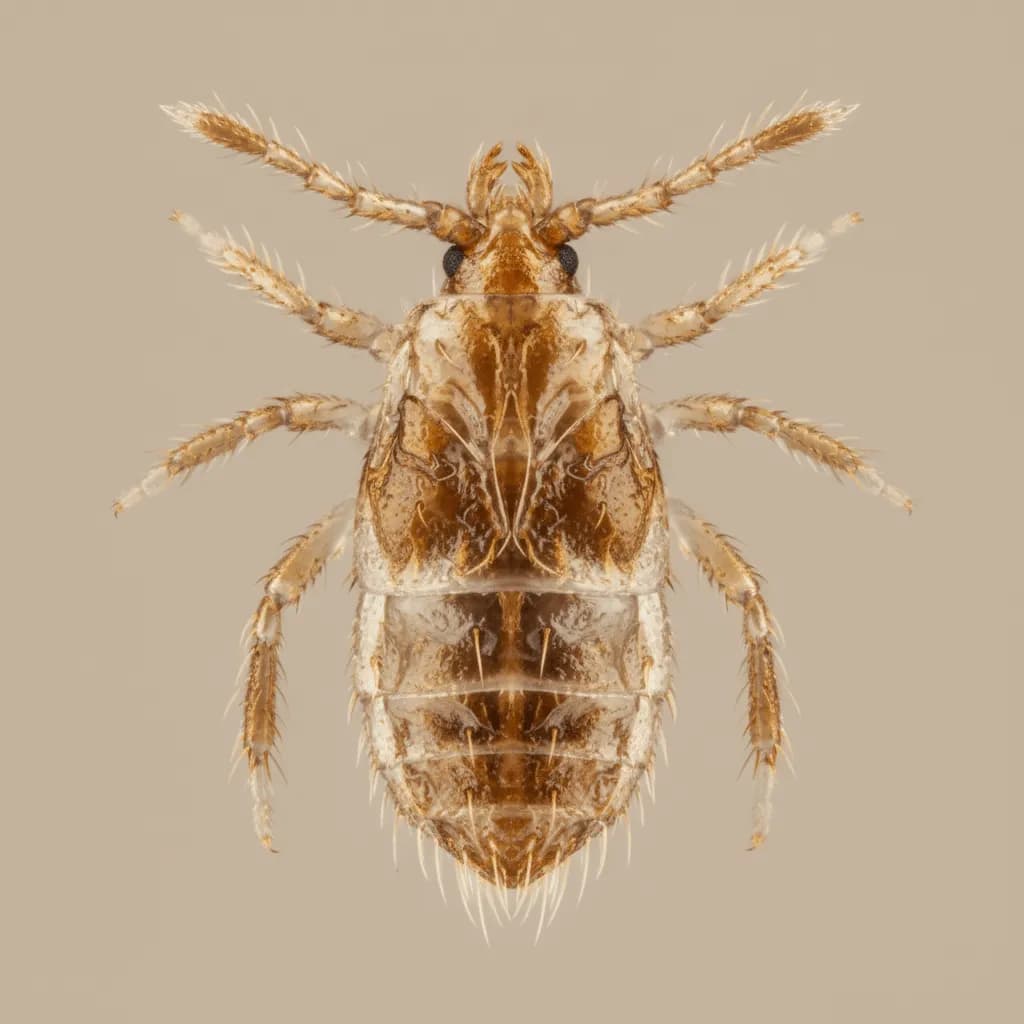
Grain Mite
Acarus siro
The Grain Mite is a microscopic stored product pest that thrives in high-humidity conditions.
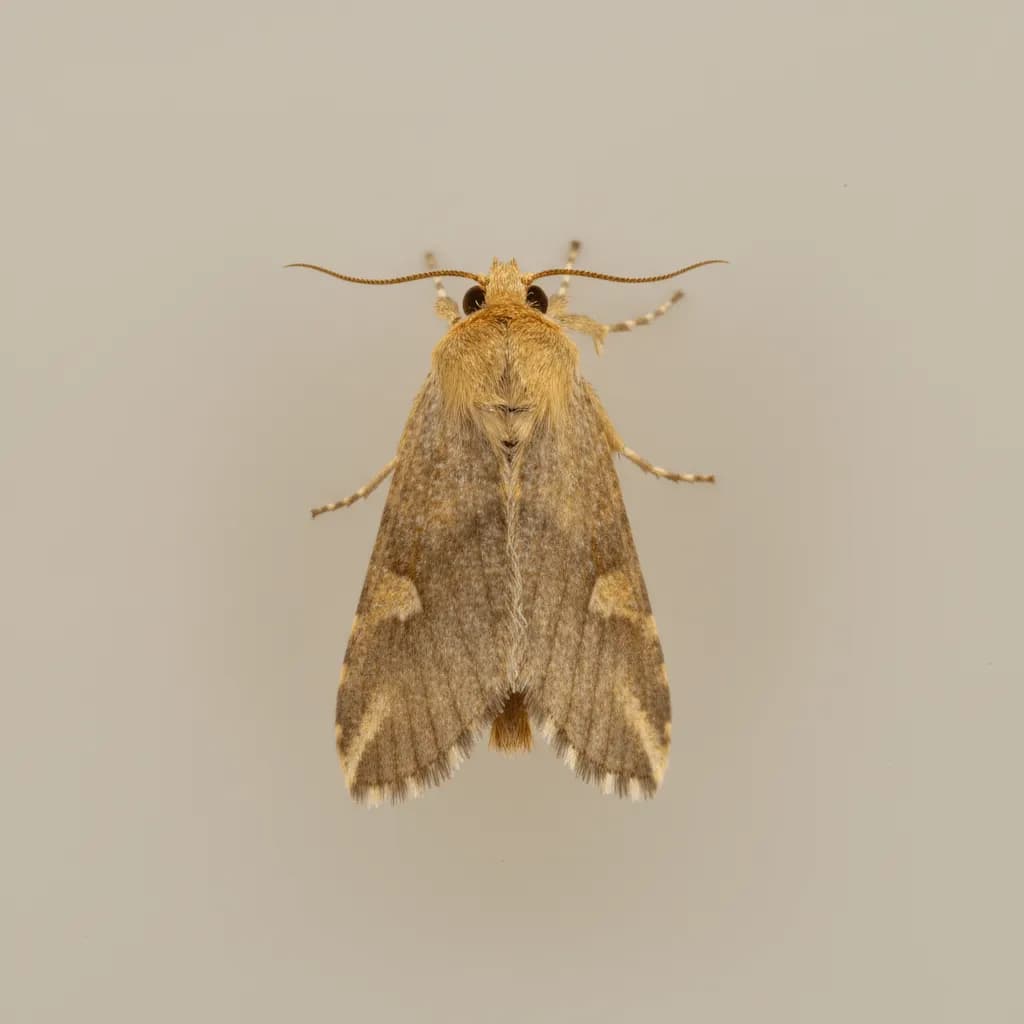
Angoumois Grain Moth
Sitotroga cerealella
The Angoumois Grain Moth is a significant pest of whole stored grain, particularly corn, wheat, and barley.
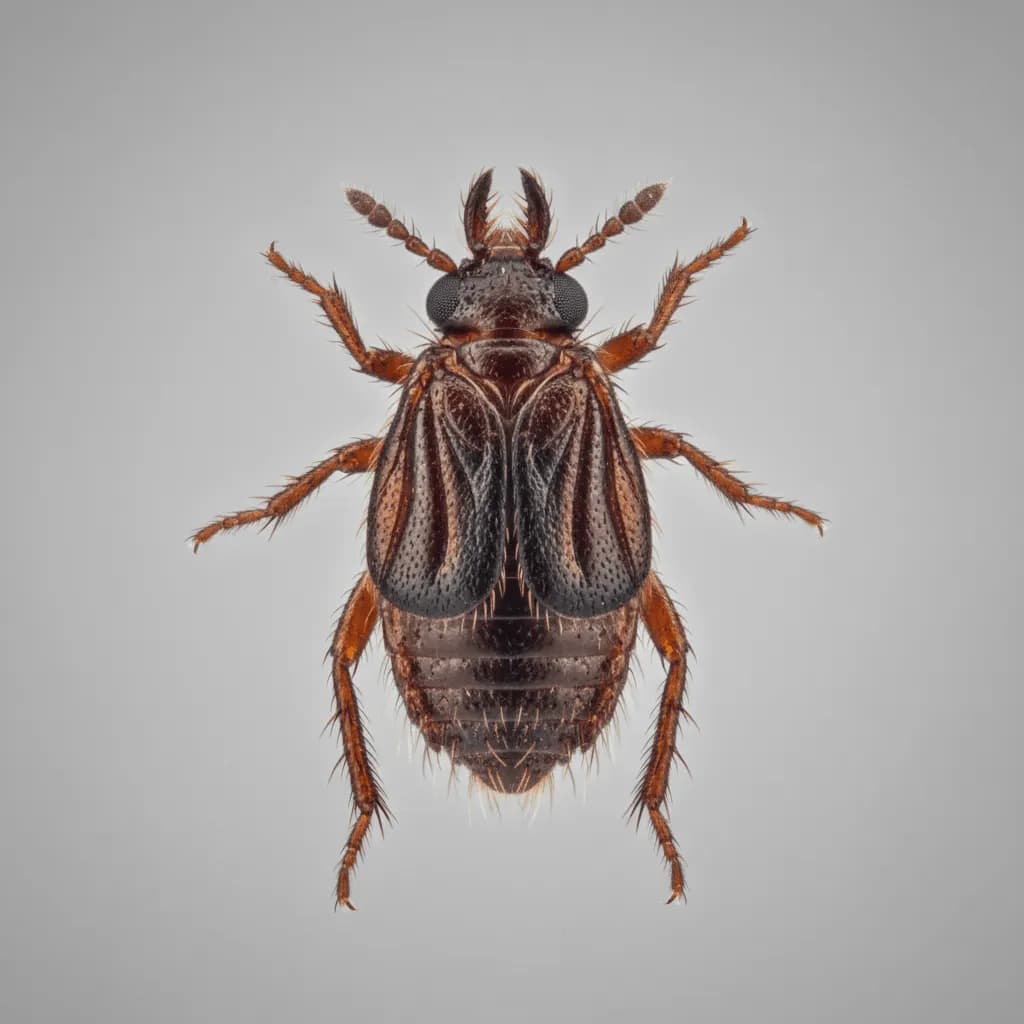
Cat Flea
Ctenocephalides felis
The Cat Flea is the most prevalent flea species in North America, infesting cats, dogs, and occasionally humans.
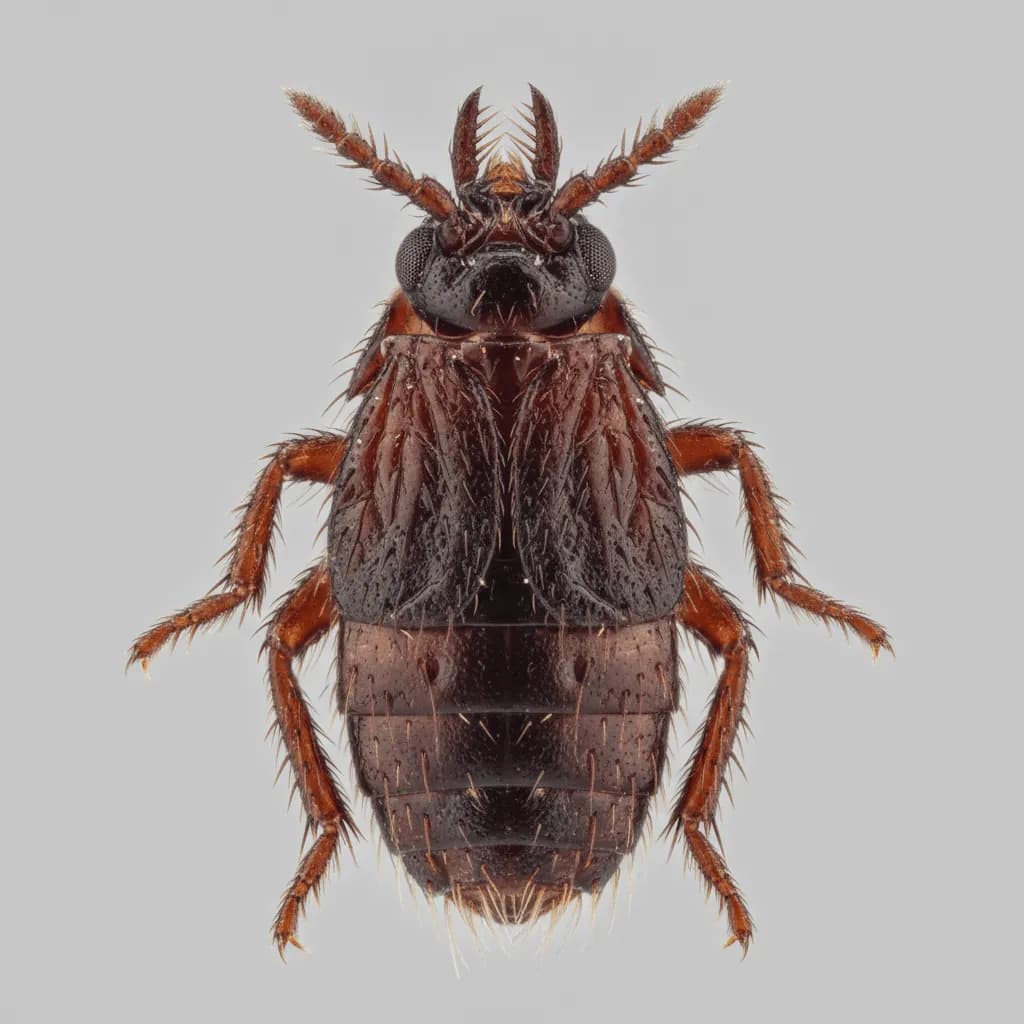
Dog Flea
Ctenocephalides canis
The Dog Flea is closely related to the cat flea and was historically considered the primary flea of domestic dogs.
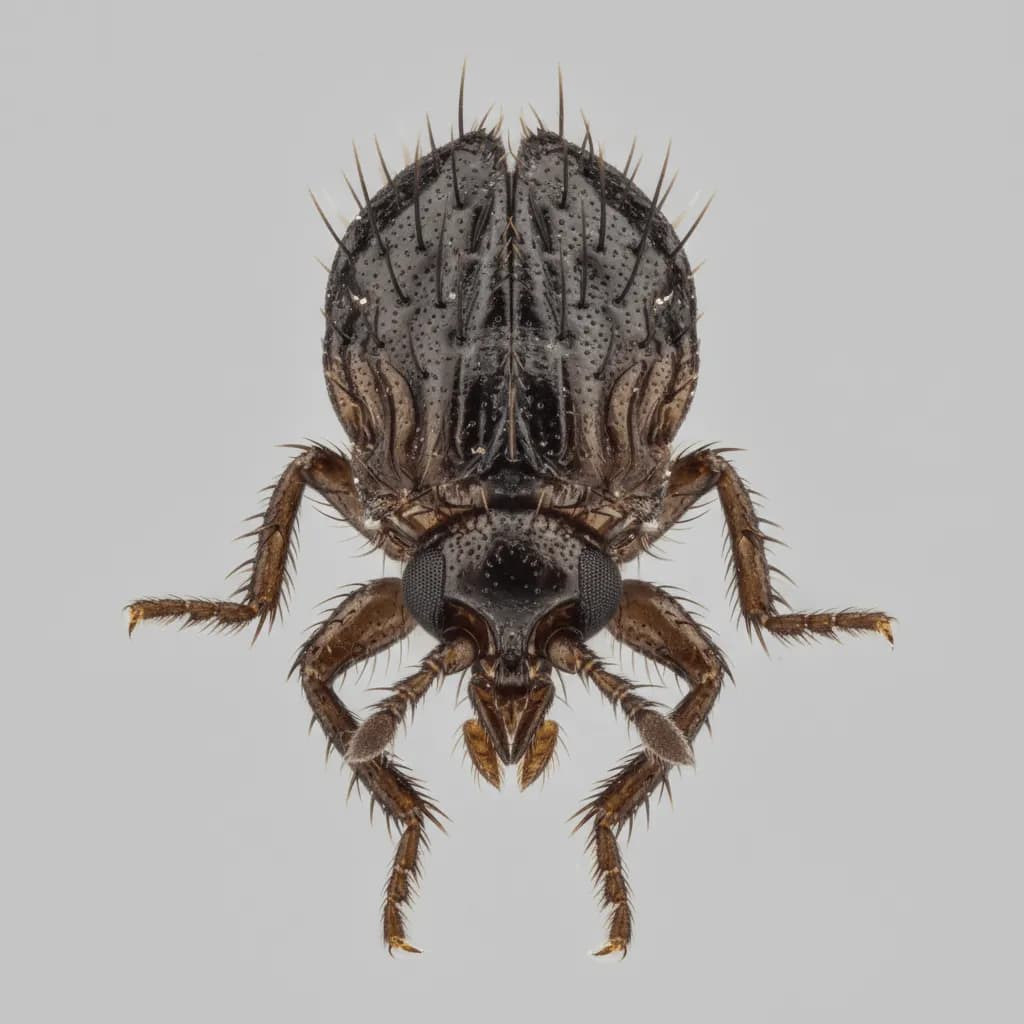
Human Flea
Pulex irritans
The Human Flea was once the dominant flea species found on people and is historically associated with plague transmission alongside the oriental rat flea.
+31 more pests common in this region
States in This Region
Need Help With Pests in the Gulf Coast?
Pest challenges in the Gulf Coast are shaped by local climate, housing styles, and seasonal patterns. Lotus Pest Control delivers targeted treatment based on what's actually active in your area.