
Common Pests in Wyoming
Wyoming falls within the Mountain West region, where semi-arid with large daily and seasonal temperature swings; cold winters with heavy snow at elevation, hot dry summers in valleys, and very low humidity year-round. Below are the pests most commonly encountered by homeowners in Wyoming.
Seasonal Pest Activity in Wyoming
spring
Carpenter ants emerge in mountain homes with moisture-damaged logs and timbers. Pavement ants swarm from expansion joints in driveways and sidewalks. Voles cause visible lawn damage as snowmelt reveals winter tunnel systems. Spiders become active in garages and crawl spaces.
summer
Yellowjackets and paper wasps build nests around decks, eaves, and picnic areas. Miller moths migrate through the Front Range in massive numbers. Mosquitoes breed in irrigated lawns and mountain snowmelt pools. Box elder bugs congregate on sun-warmed exterior walls of homes.
fall
Mice and rats invade homes and outbuildings as mountain temperatures plunge. Boxelder bugs, stink bugs, and cluster flies seek overwintering sites inside structures. Elk, deer, and raccoons increasingly interact with suburban properties. Spiders are commonly found indoors as they mature and seek mates.
winter
Rodents are the dominant winter pest, with deer mice posing hantavirus risk in rural and mountain properties. Overwintering occasional invaders emerge on warm, sunny days. German cockroaches remain active in heated commercial spaces. Wildlife like raccoons and squirrels den in attics and chimneys.
Pests Common in Wyoming (32)
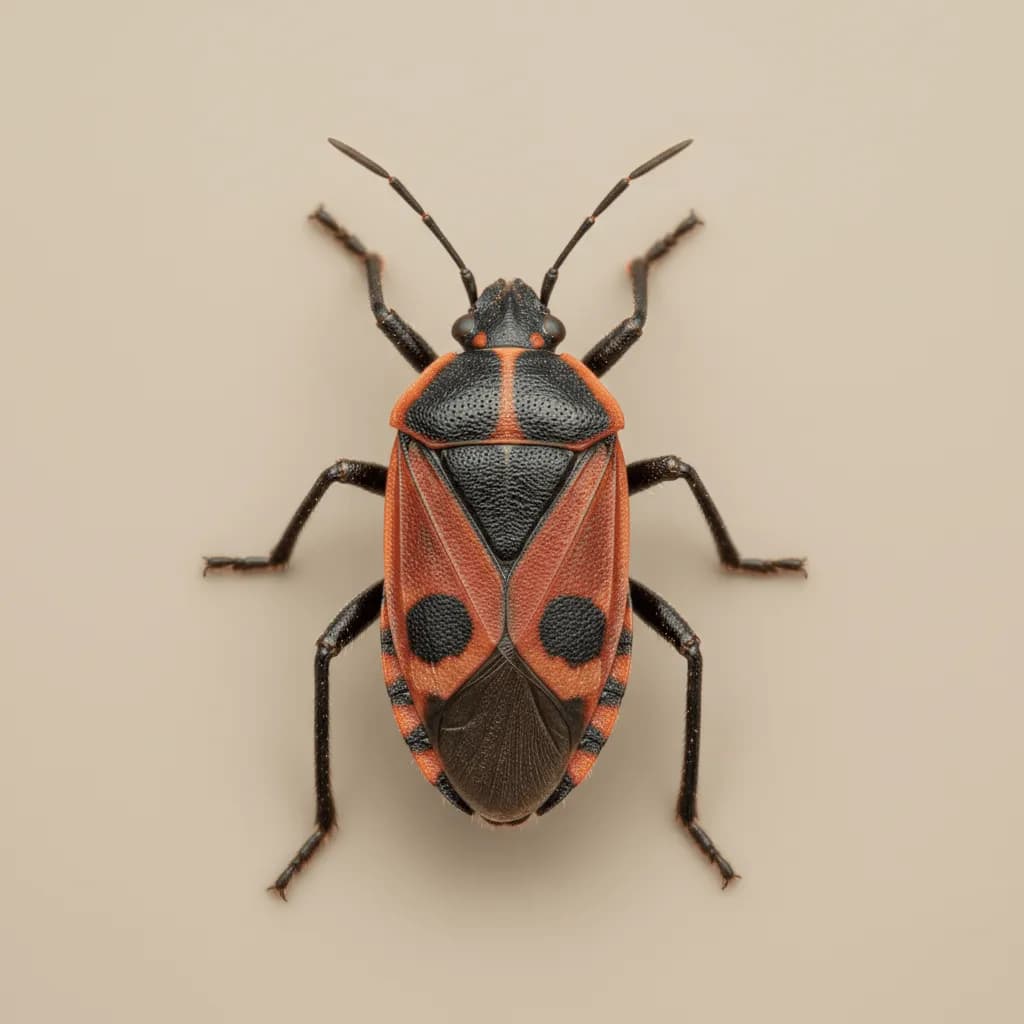
Boxelder Bug
Boisea trivittata
Boxelder Bugs are named for their primary host, the boxelder tree, though they also feed on maples and ashes.
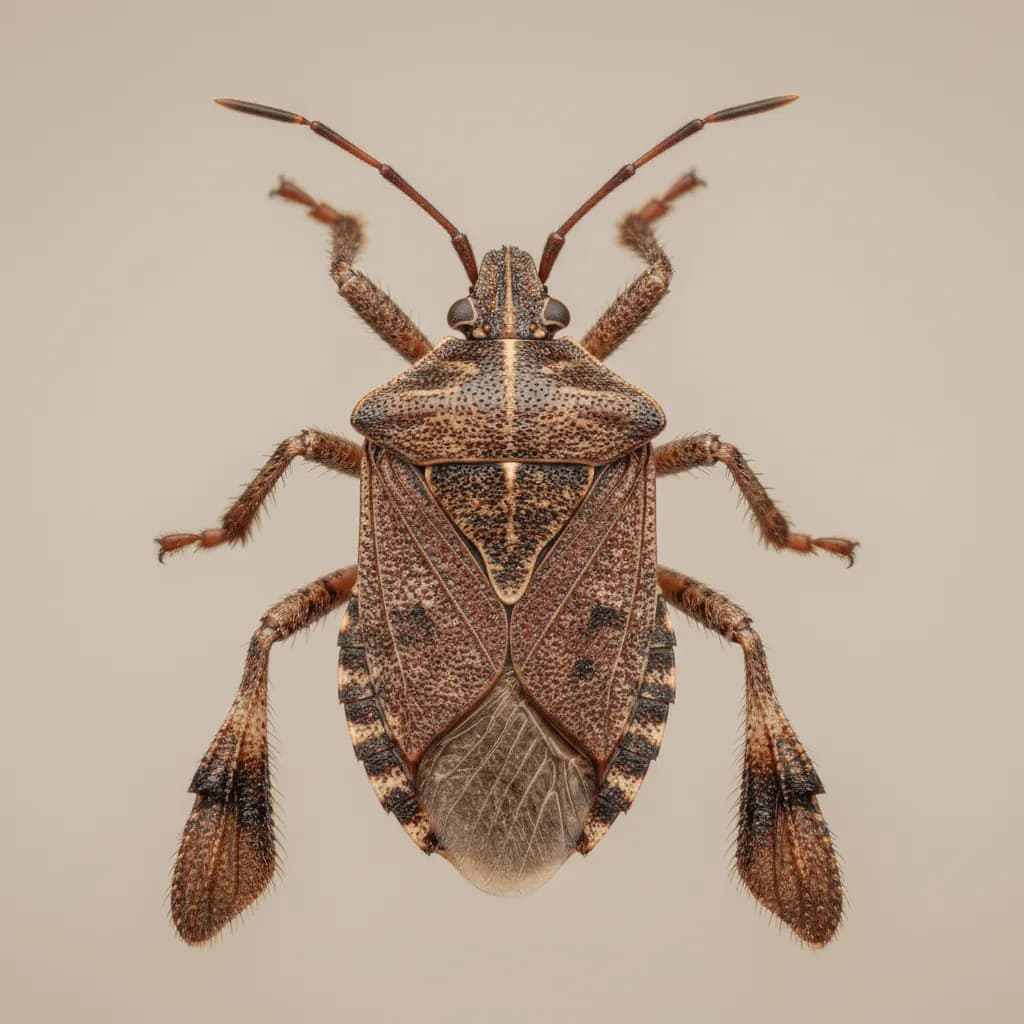
Western Conifer Seed Bug
Leptoglossus occidentalis
The Western Conifer Seed Bug is a large, harmless plant-feeding insect that invades homes in fall to overwinter.
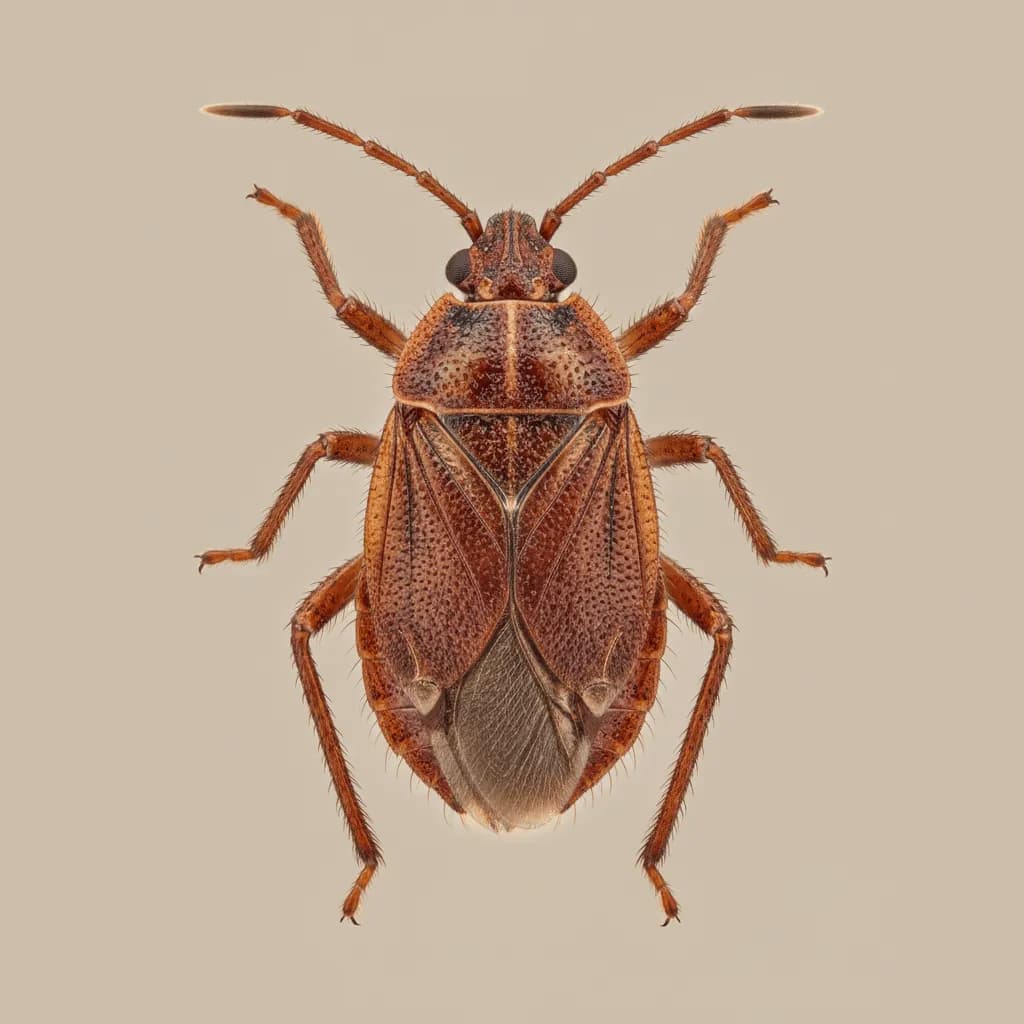
Swallow Bug
Oeciacus vicarius
The Swallow Bug is a blood-feeding parasite of cliff swallows and barn swallows.
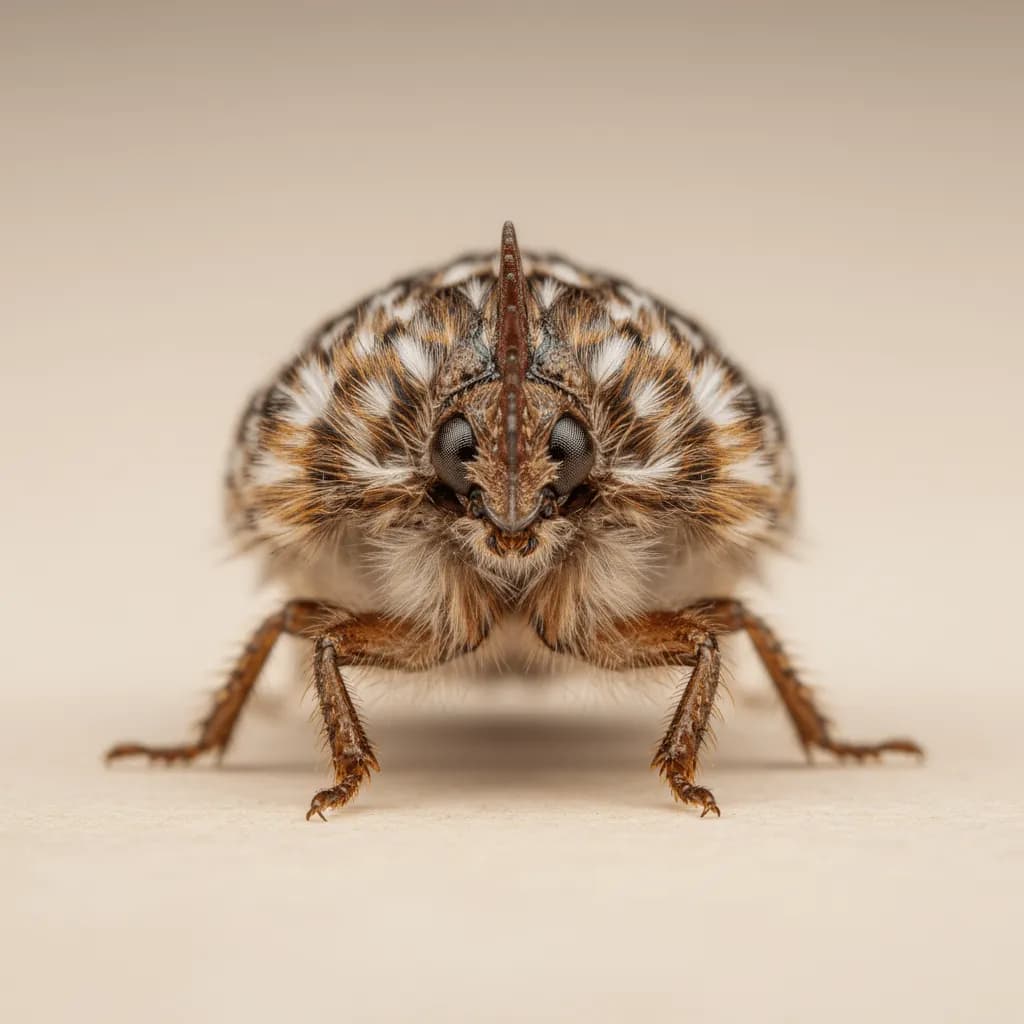
Poultry Bug
Haematosiphon inodorus
The Poultry Bug is a blood-feeding parasite of chickens, turkeys, and other domestic and wild birds.
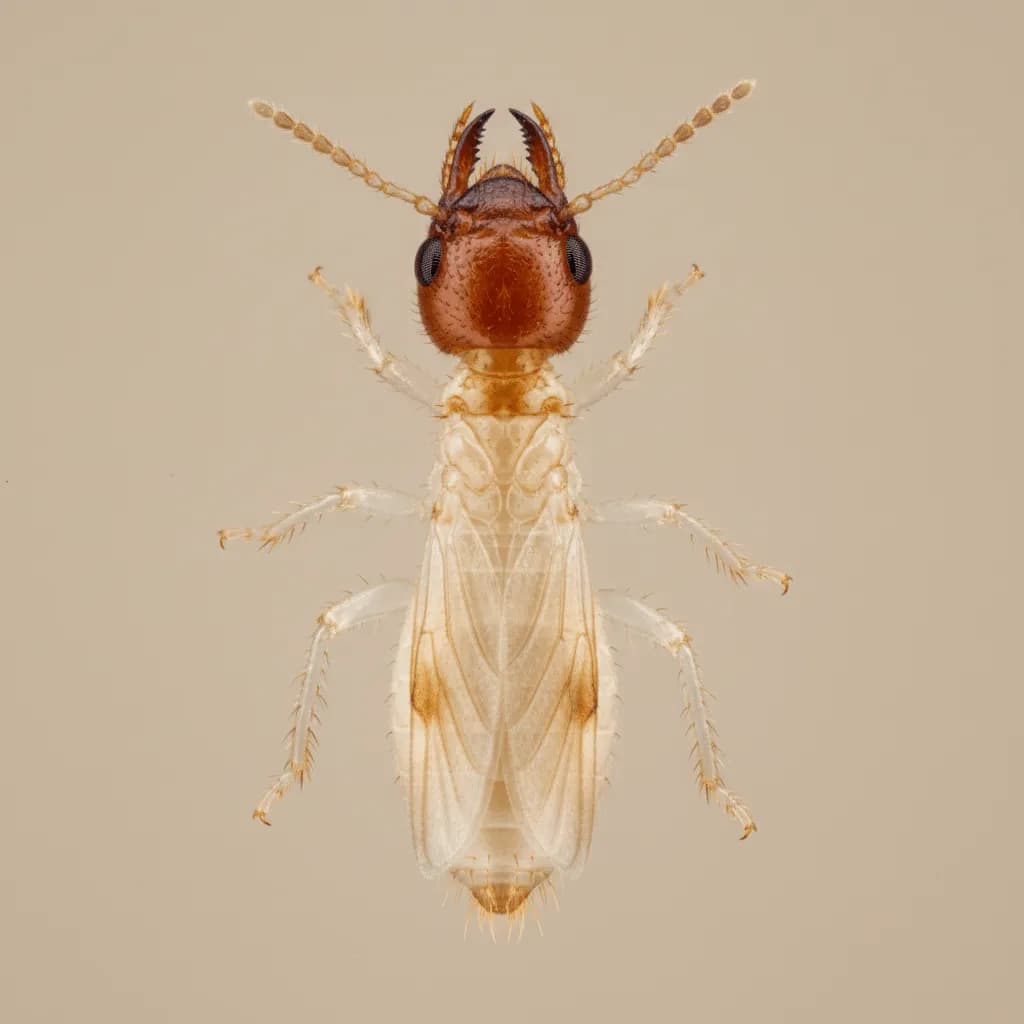
Arid-Land Subterranean Termite
Reticulitermes tibialis
The Arid-Land Subterranean Termite is the most widely distributed subterranean termite in the western United States.
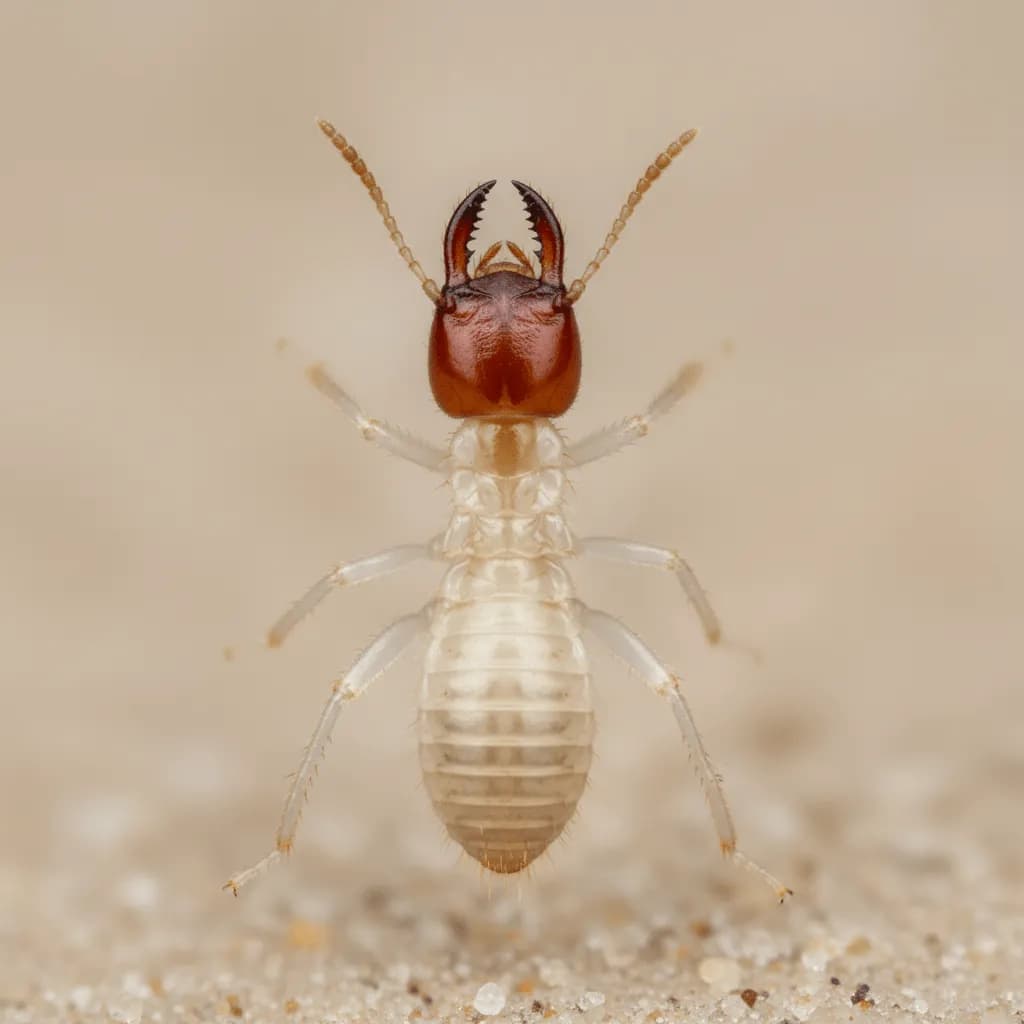
Desert Subterranean Termite
Heterotermes aureus
The Desert Subterranean Termite is the most common structural termite pest in the Sonoran Desert region of the southwestern United States.
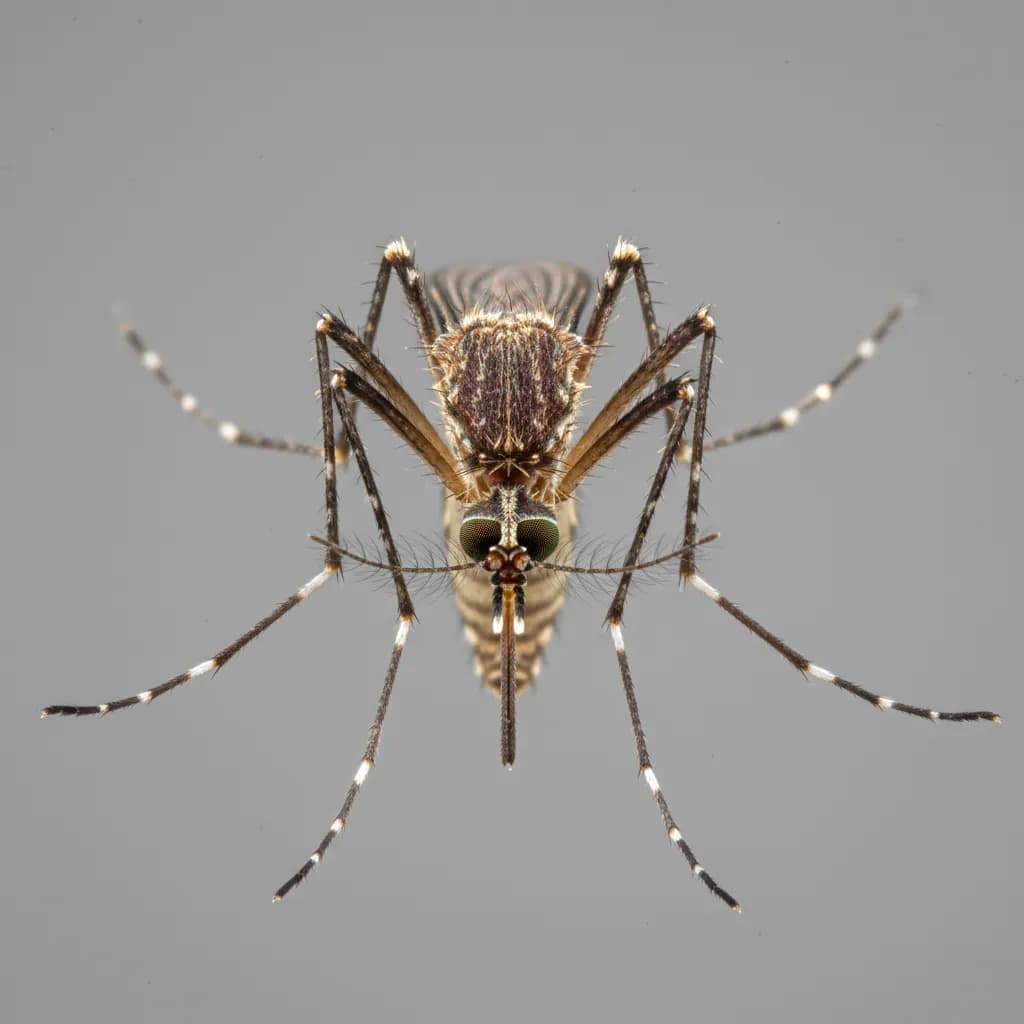
Western Encephalitis Mosquito
Culex tarsalis
The Western Encephalitis Mosquito is the most medically important mosquito species in the western United States.
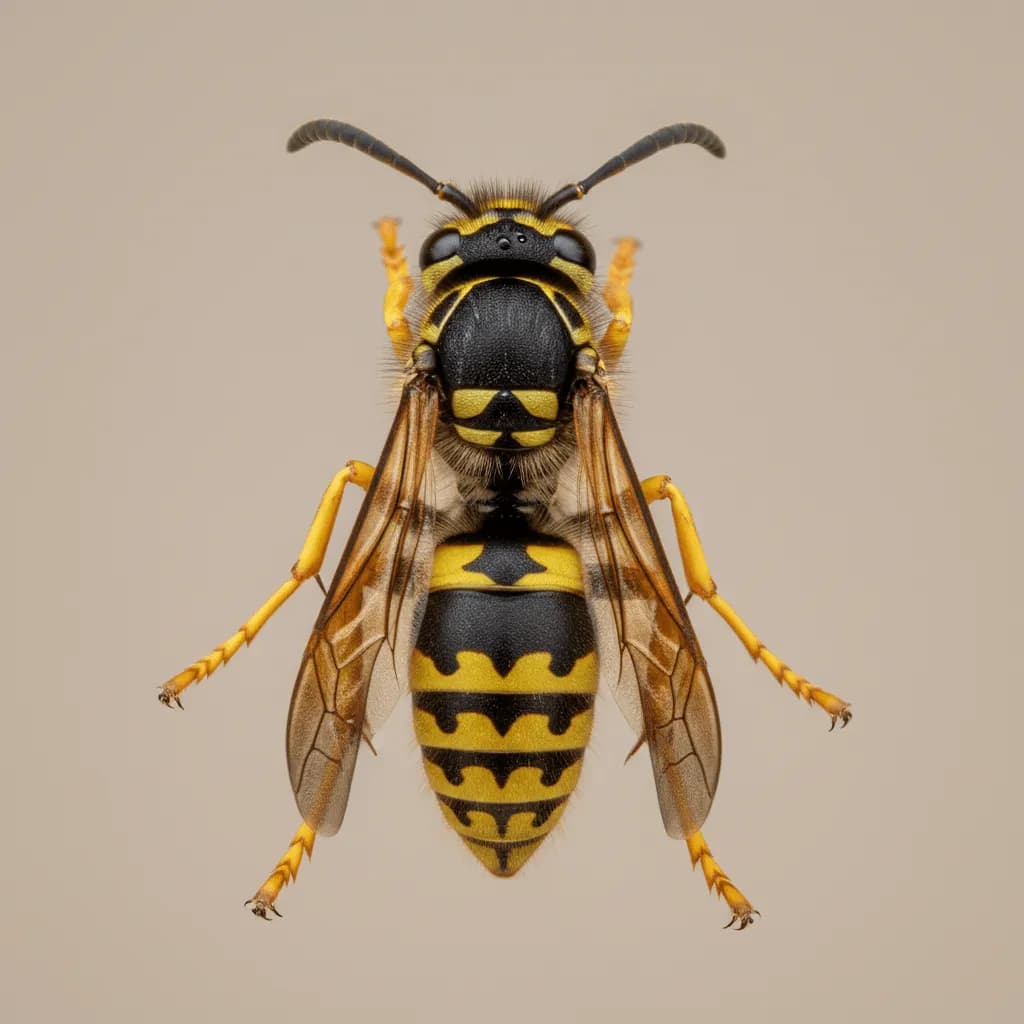
Western Yellowjacket
Vespula pensylvanica
The Western Yellowjacket is the dominant yellowjacket species throughout the western United States and is responsible for the vast majority of stinging incidents in the region.
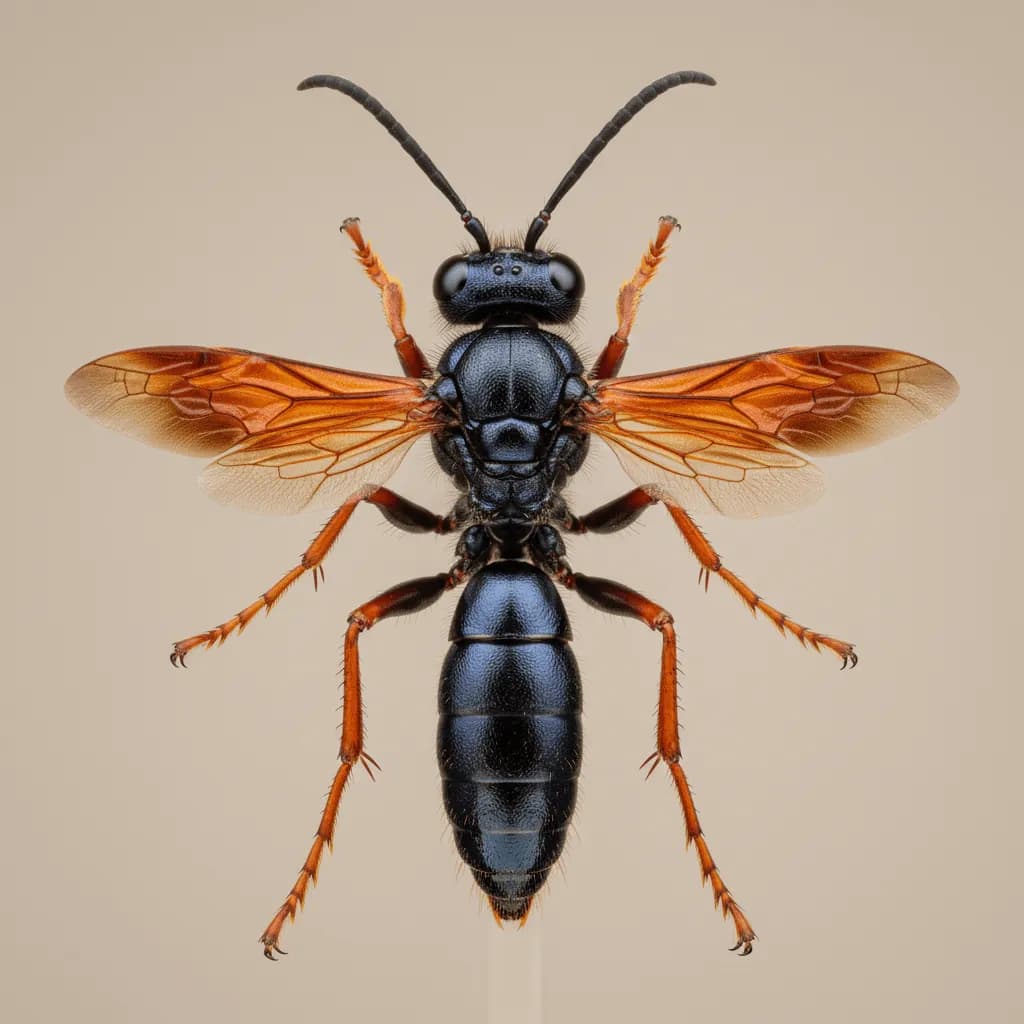
Tarantula Hawk
Pepsis grossa
The Tarantula Hawk is one of the largest and most spectacular wasps in North America.
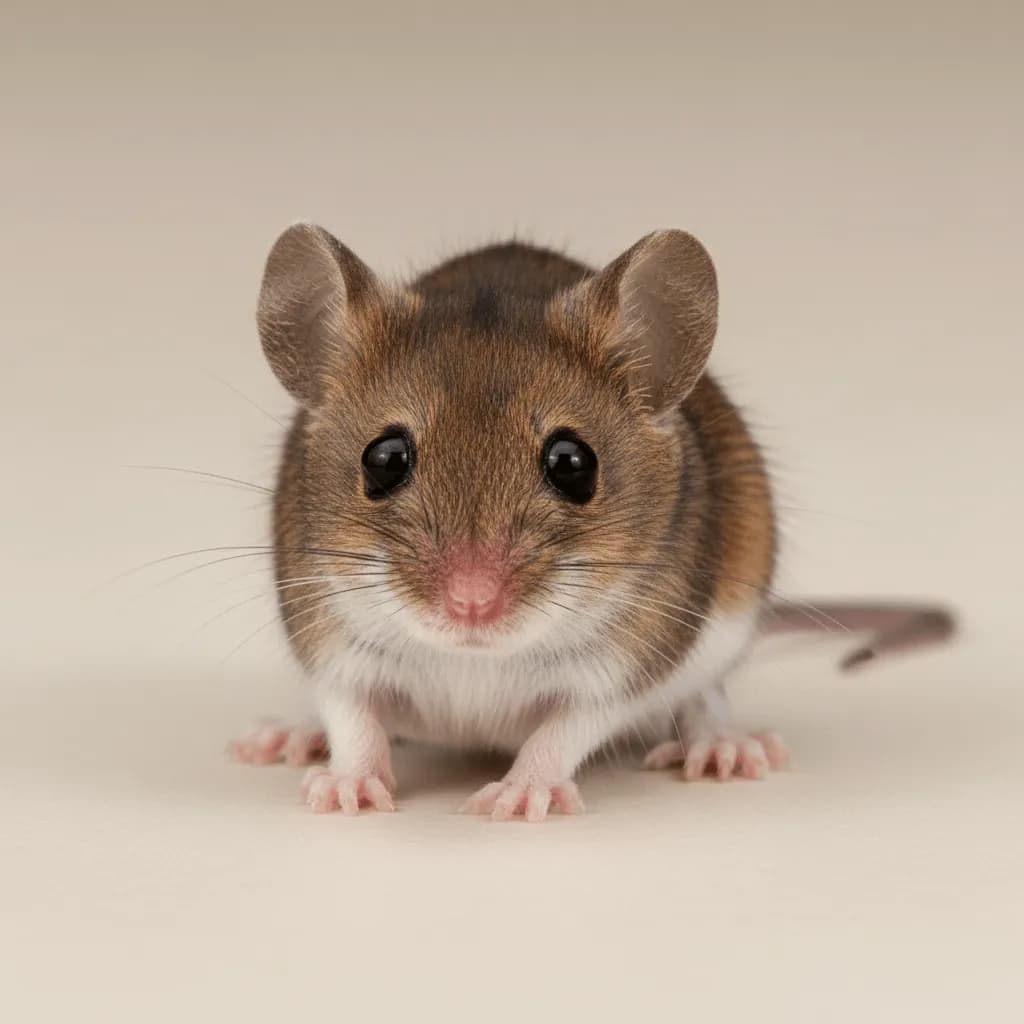
Deer Mouse
Peromyscus maniculatus
The Deer Mouse is the most abundant mammal in North America and the primary reservoir of Sin Nombre hantavirus, which causes hantavirus pulmonary syndrome (HPS), a potentially fatal respiratory disease.
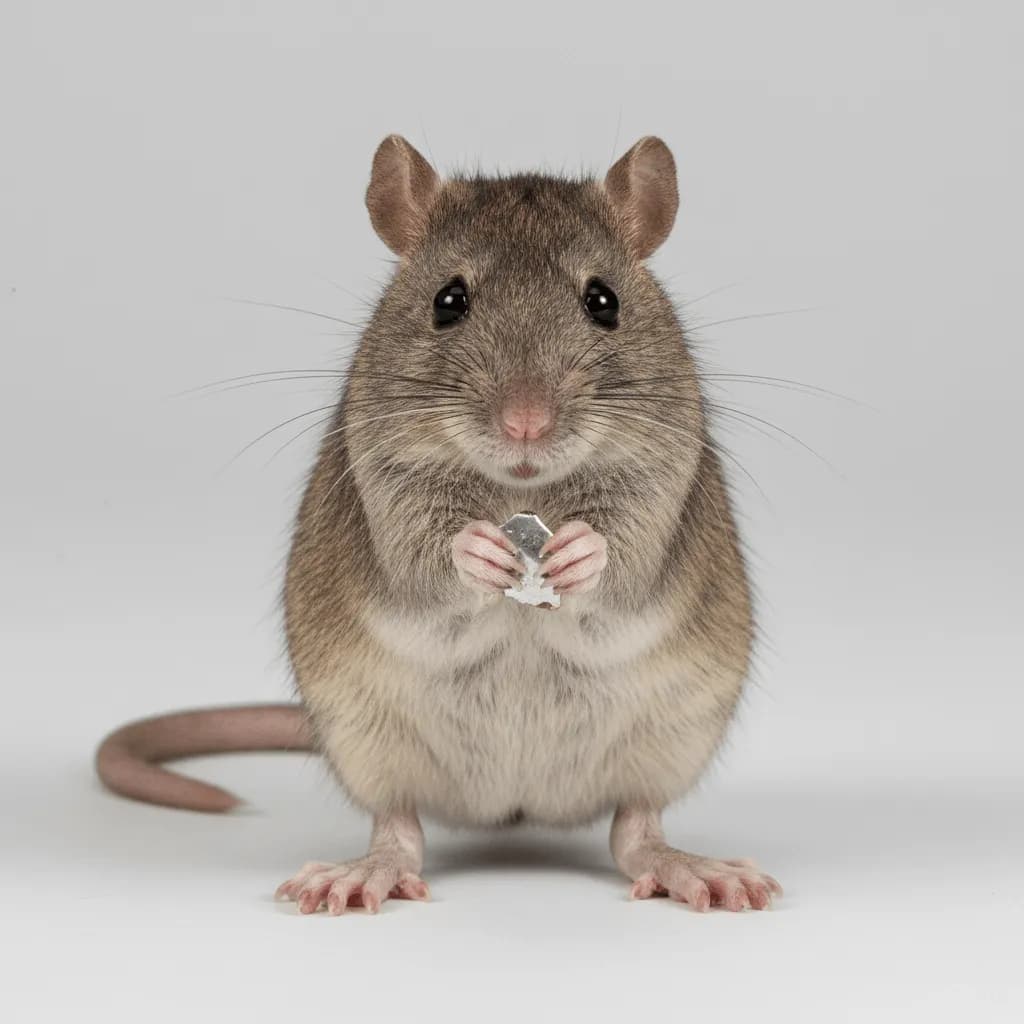
Pack Rat
Neotoma floridana
The Pack Rat, or Eastern Woodrat, is known for its habit of collecting objects and building elaborate stick nests called middens.
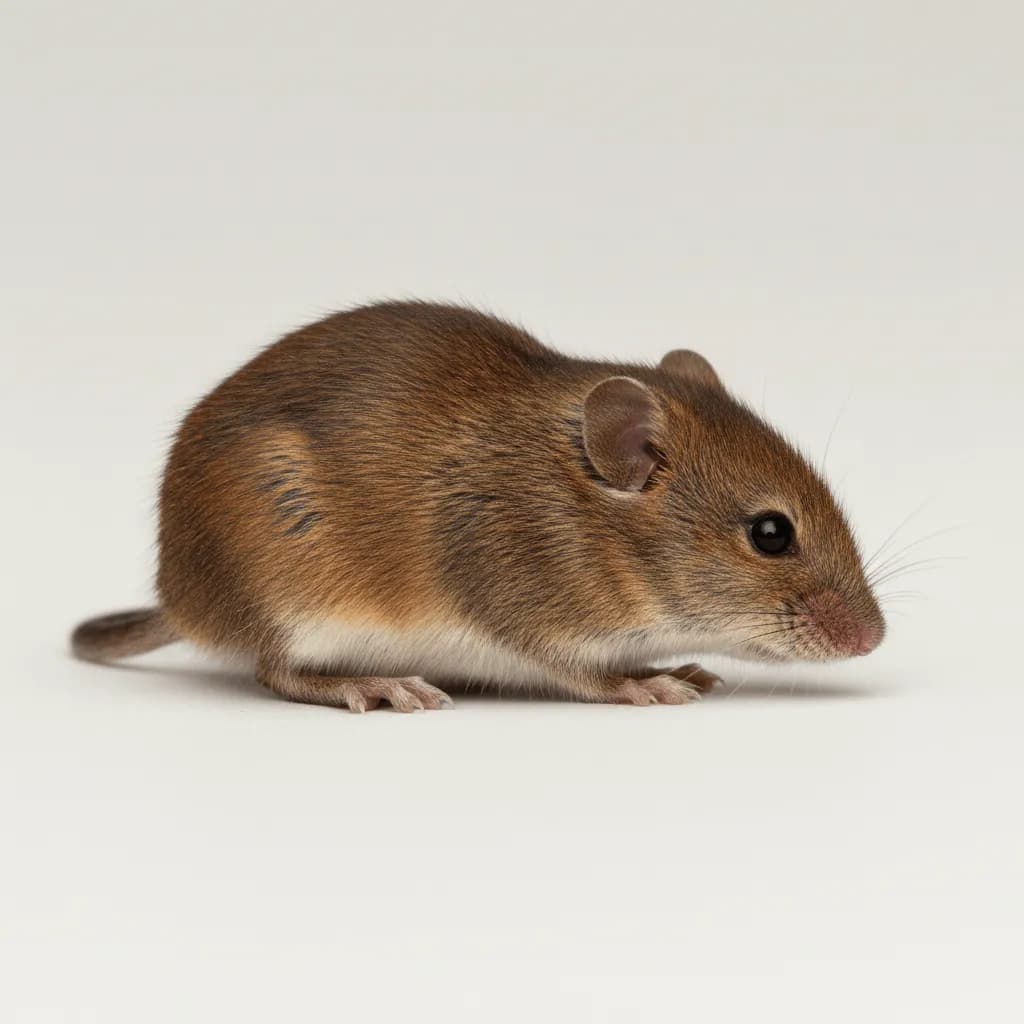
Meadow Vole
Microtus pennsylvanicus
The Meadow Vole is the most common vole in North America and one of the most prolific mammals on earth, with some populations reaching densities of hundreds per acre.
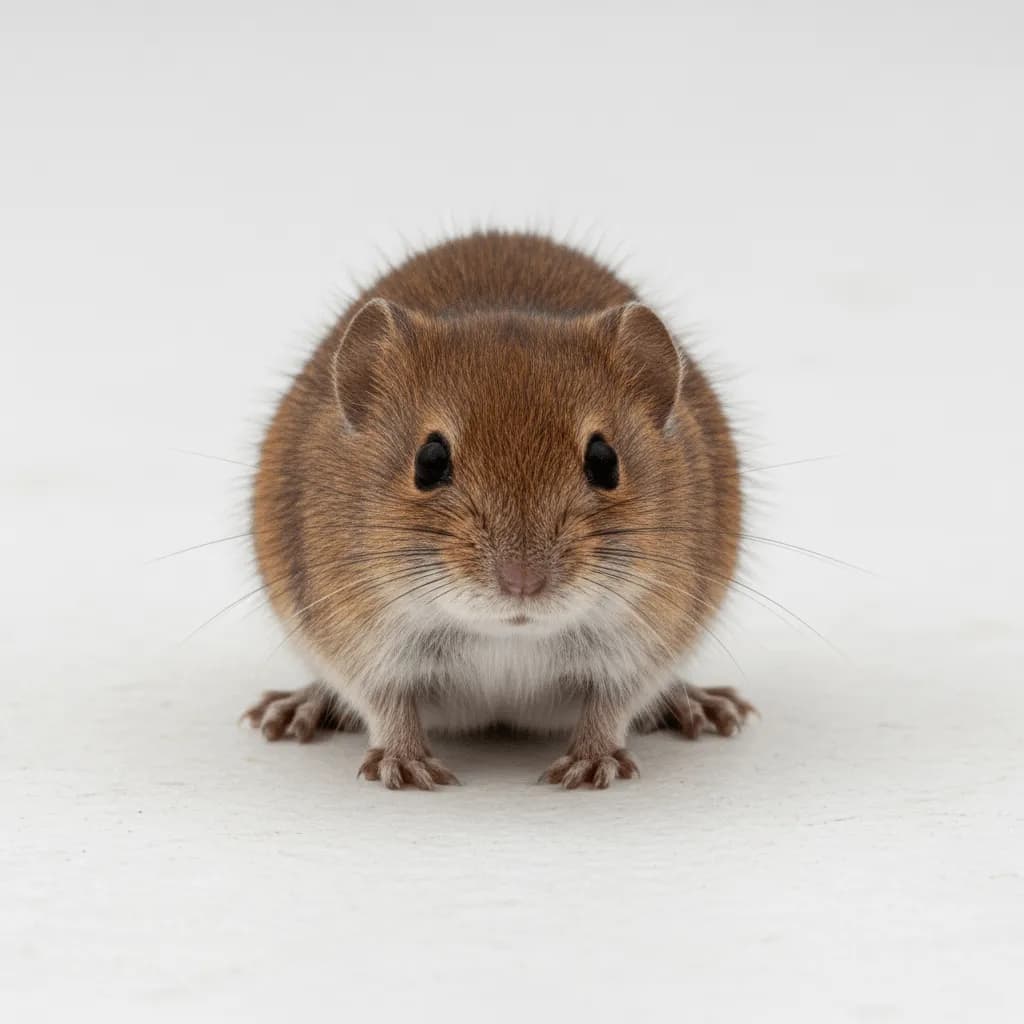
Prairie Vole
Microtus ochrogaster
The Prairie Vole inhabits grasslands, prairies, and dry meadows across the central United States.
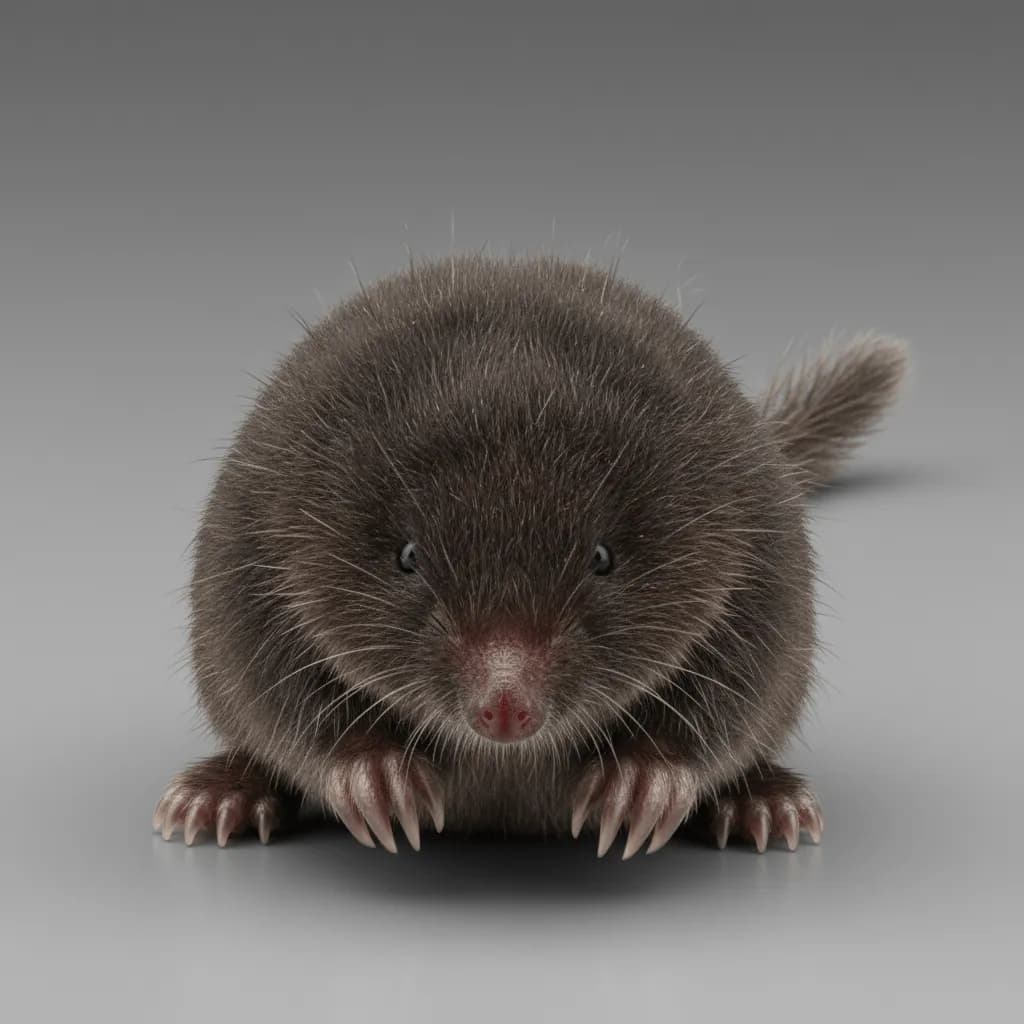
Hairy-Tailed Mole
Parascalops breweri
The Hairy-Tailed Mole is the smallest of the three mole species commonly found in the eastern United States.
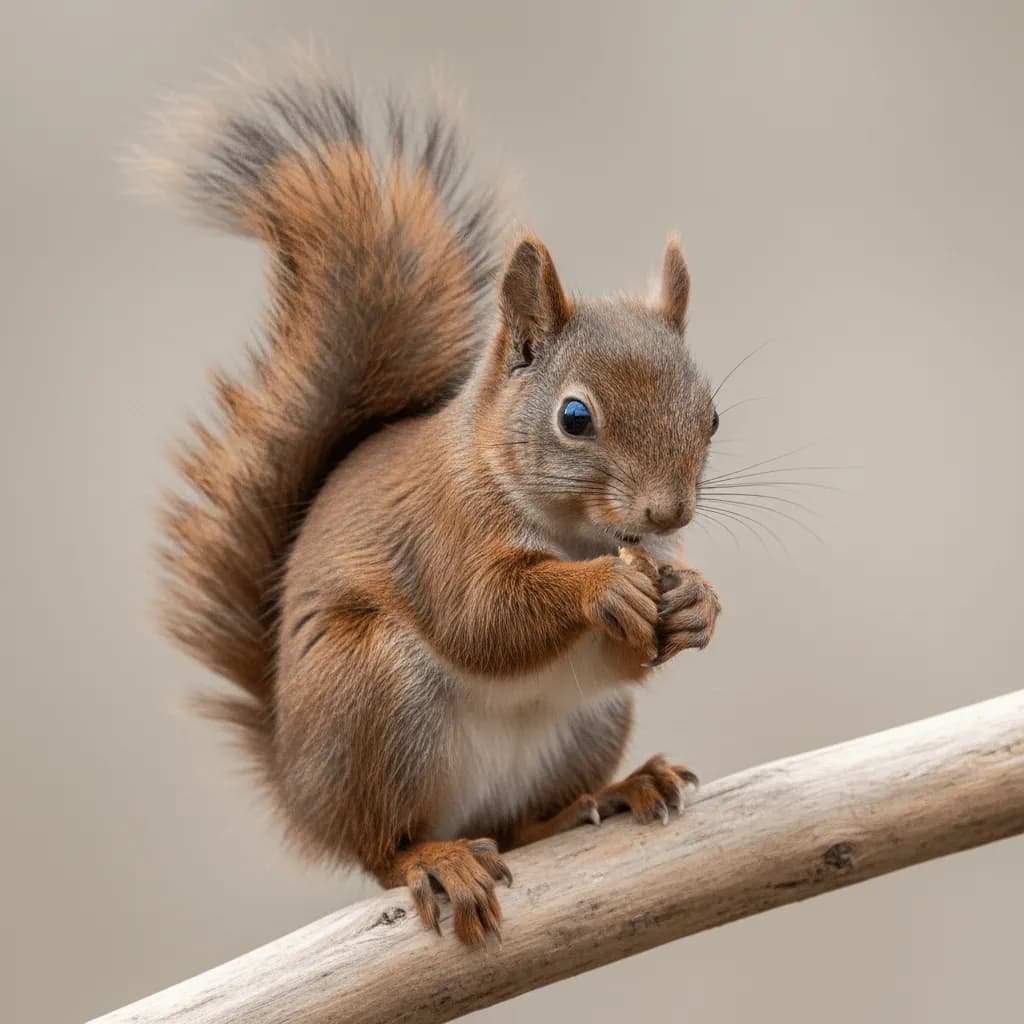
Red Squirrel
Tamiasciurus hudsonicus
The Red Squirrel is a small, vocal, and highly territorial tree squirrel found across northern forests and mountain regions.
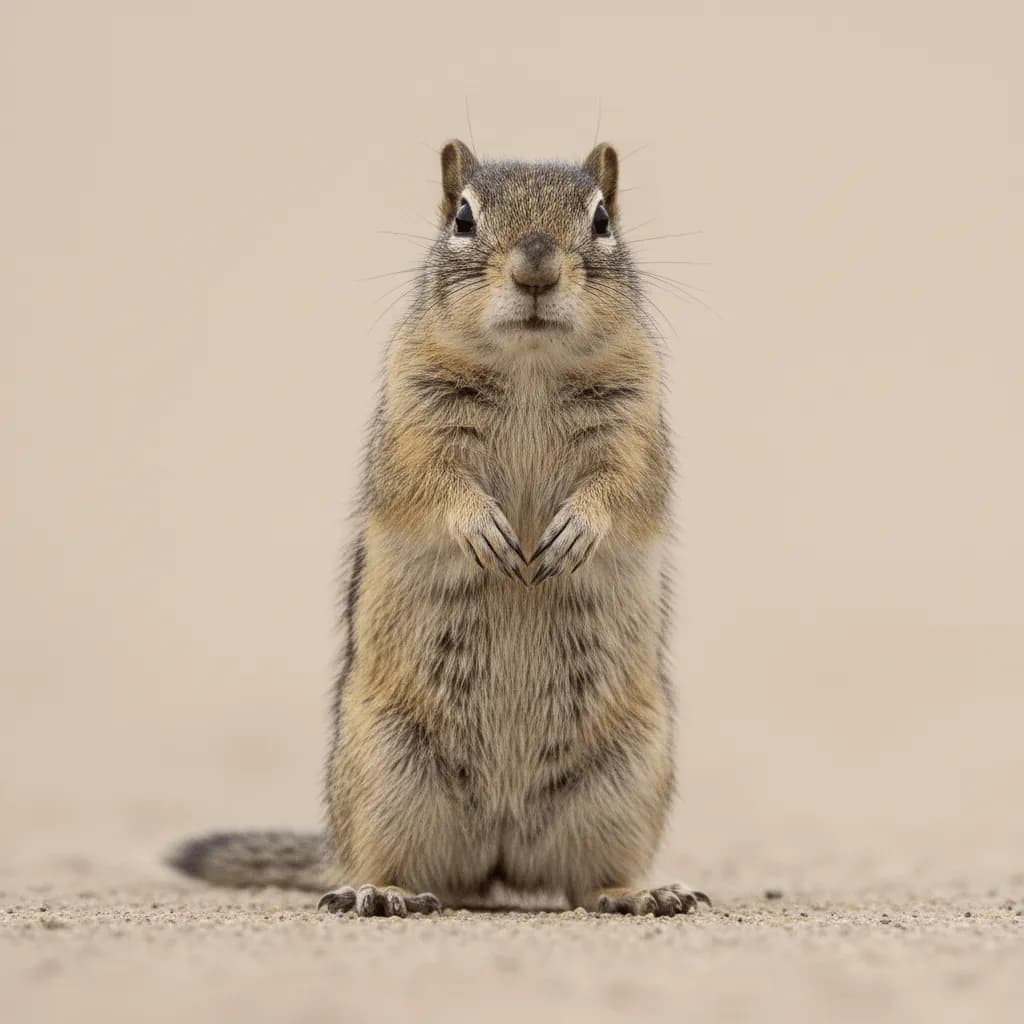
Thirteen-Lined Ground Squirrel
Ictidomys tridecemlineatus
The Thirteen-Lined Ground Squirrel is a burrowing squirrel of open grasslands, lawns, golf courses, and agricultural fields across the central United States.
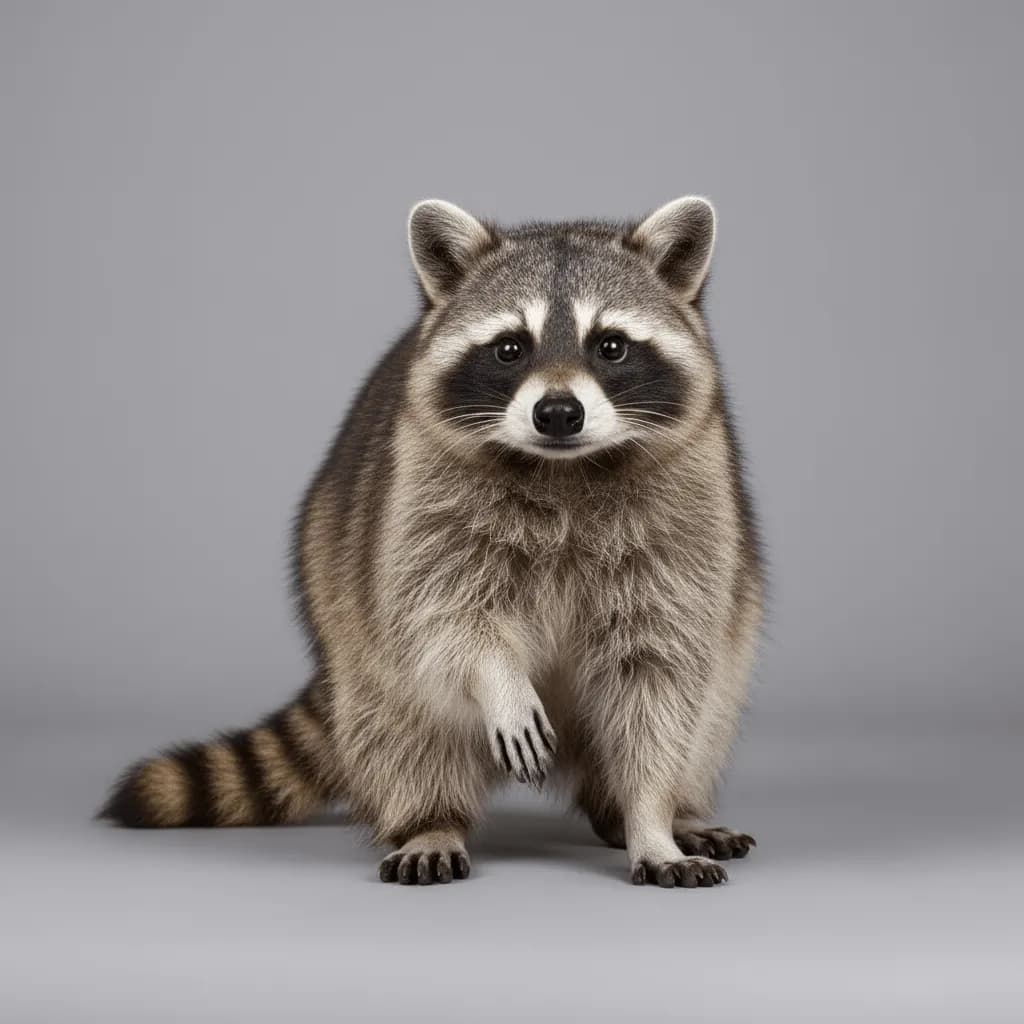
Raccoon
Procyon lotor
The Raccoon is one of the most adaptable urban wildlife species in North America.
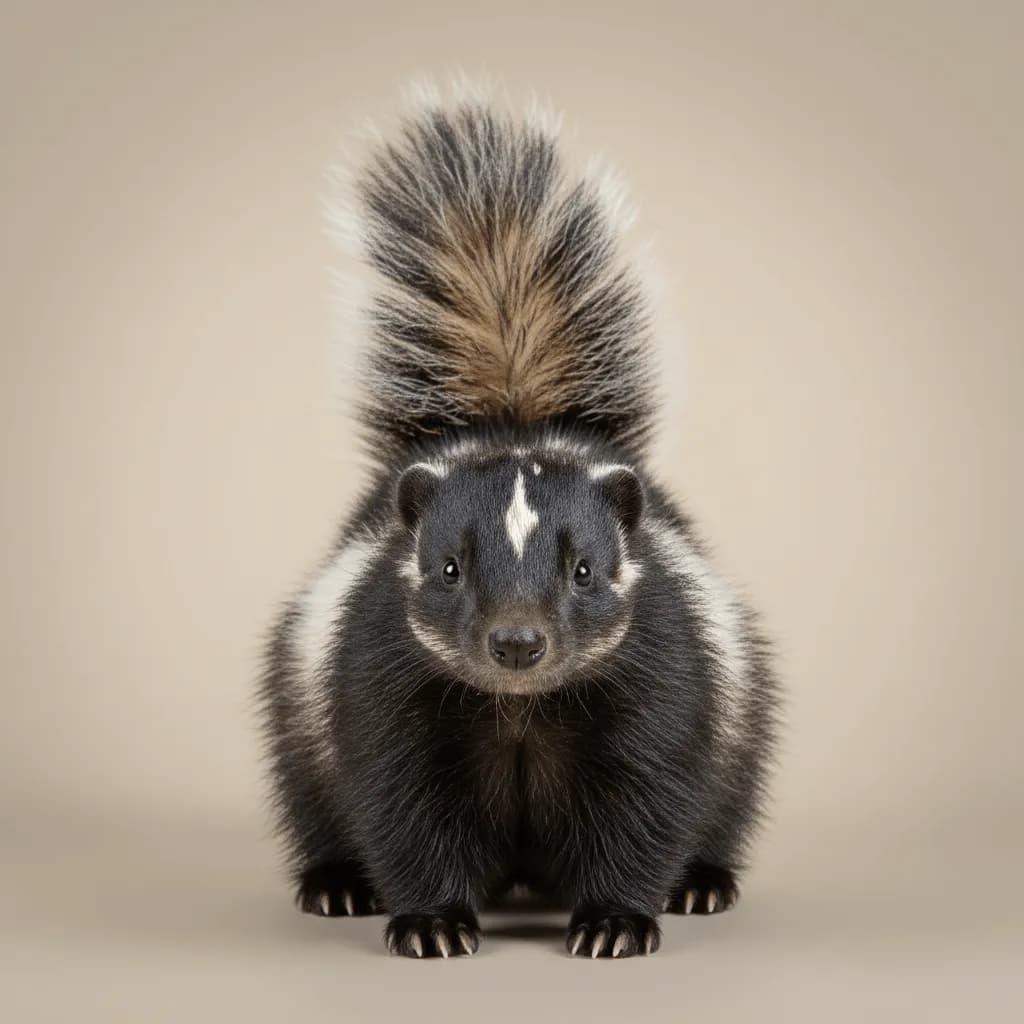
Striped Skunk
Mephitis mephitis
The Striped Skunk is well known for its potent defensive spray, which can cause temporary blindness and nausea.
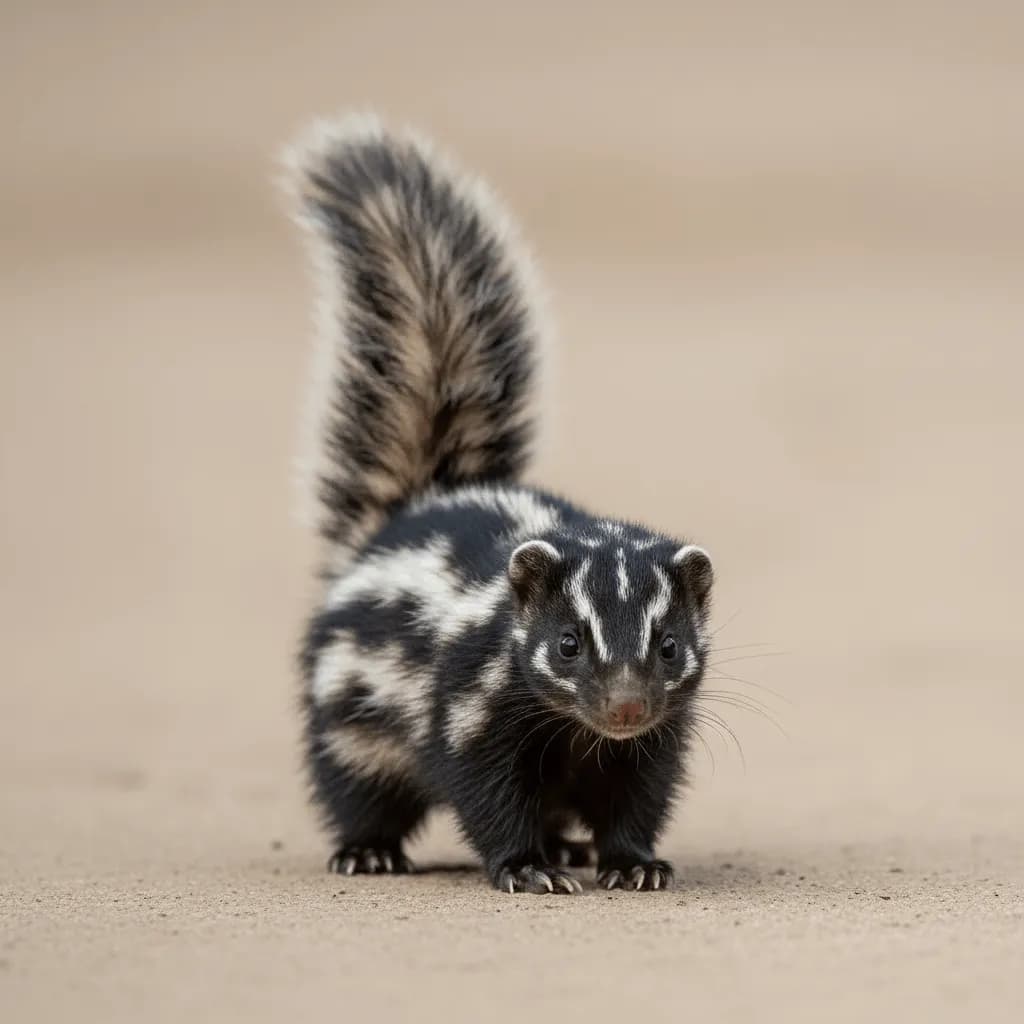
Spotted Skunk
Spilogale putorius
The Spotted Skunk is a smaller, more agile relative of the striped skunk that is declining in parts of its range.
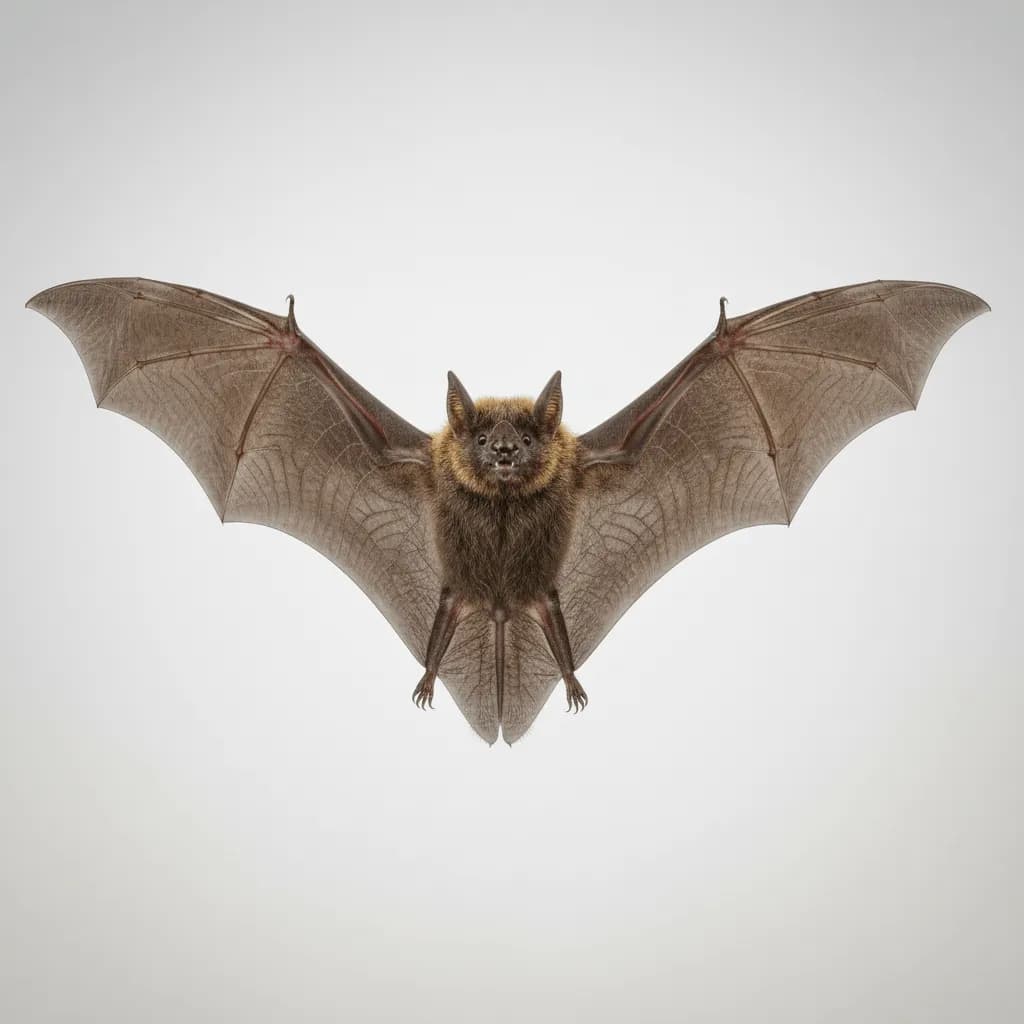
Big Brown Bat
Eptesicus fuscus
The Big Brown Bat is the most common bat found in buildings across North America.
Need Help With Pests in Wyoming?
If you're seeing signs of pests in Wyoming in or around your home, professional treatment is the fastest way to stop the problem. Lotus Pest Control offers free inspections to identify the issue and recommend the right solution.