
Common Pests in Washington
Washington falls within the West Coast region, where mediterranean climate in the south with dry summers and mild wet winters; marine-influenced climate in the north with cool, rainy winters and temperate summers. Below are the pests most commonly encountered by homeowners in Washington.
Seasonal Pest Activity in Washington
spring
Argentine ant super-colonies resume aggressive foraging into homes. Subterranean termites swarm following warm spring rains. Carpenter ants are active in moisture-damaged wood in the Pacific Northwest. Overwintering cluster flies and stink bugs emerge from wall voids.
summer
Drywood termite swarming season peaks in Southern California. Yellowjackets become highly aggressive around outdoor dining and trash. Black widows are commonly found in garages, meter boxes, and woodpiles. Flea activity surges in coastal areas with mild temperatures. Fruit flies multiply around ripening produce.
fall
Rodents - particularly roof rats - push indoors as fall rains begin. Argentine ants invade homes seeking moisture during dry periods or shelter during rains. Occasional invaders like earwigs and silverfish increase indoors. Overwintering wasps seek protected harborage.
winter
Rats and mice are the primary concern in all three states. Dampwood termites remain active in wet wood in the Pacific Northwest. German cockroaches persist in apartments and restaurants year-round. Rainy conditions flush ants indoors in large numbers throughout the region.
Pests Common in Washington (37)
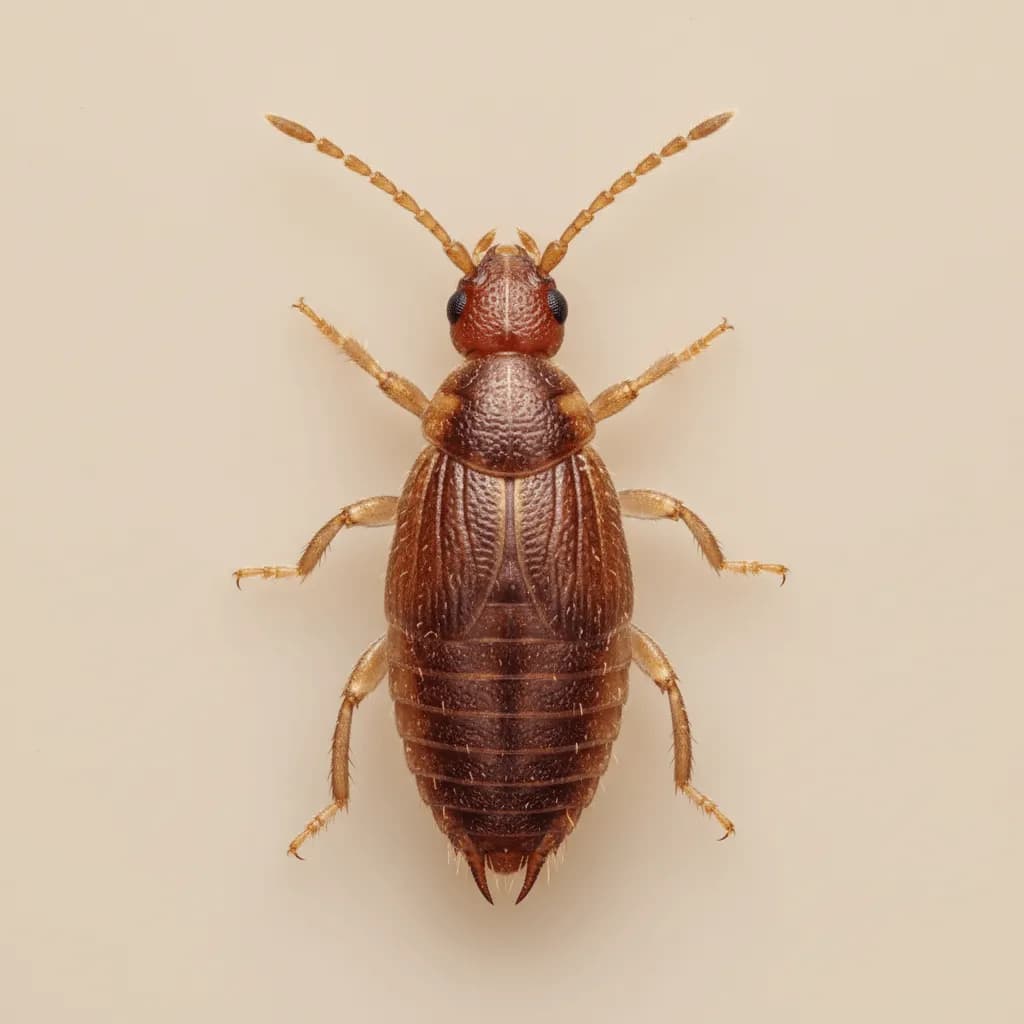
Earwig
Forficula auricularia
The European Earwig is the most common earwig species in North America.
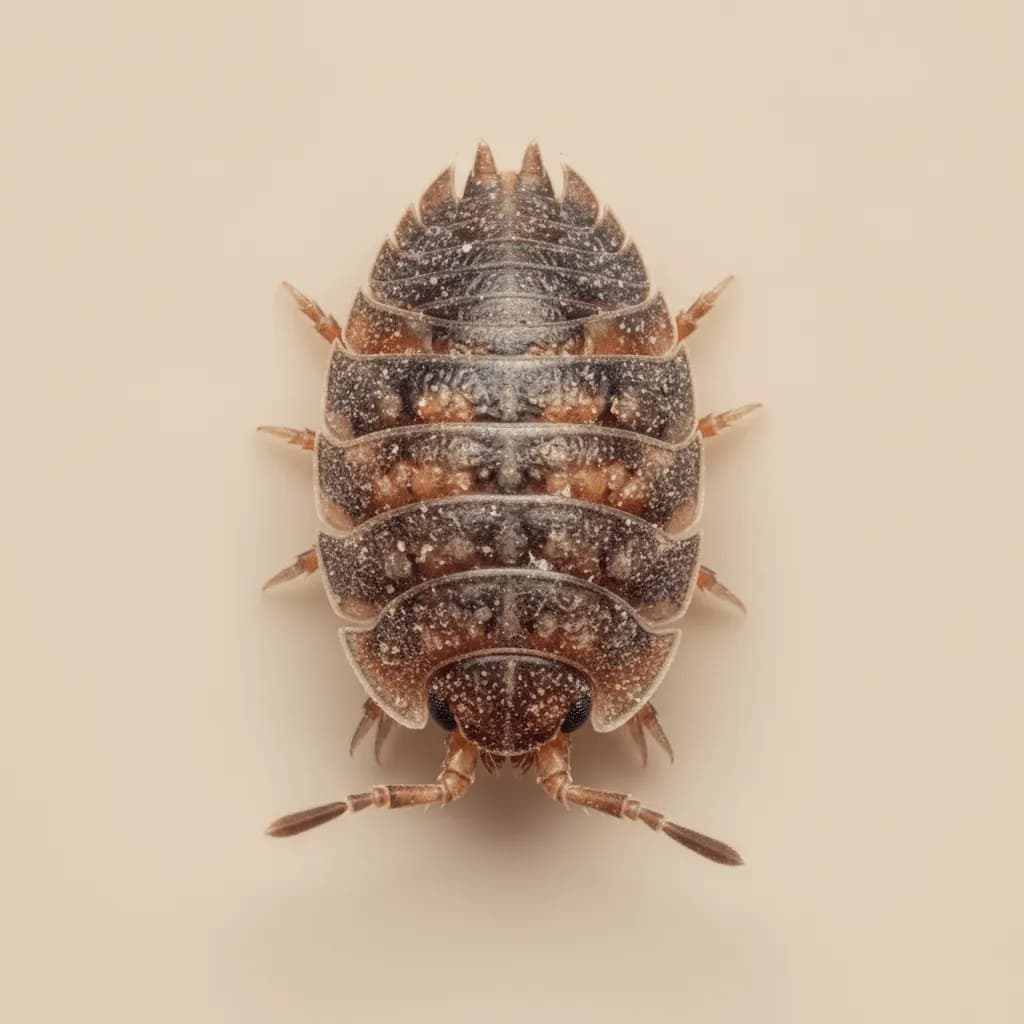
Sow Bug
Porcellio laevis
The Sow Bug closely resembles the pill bug but is distinguished by its inability to roll into a ball and the presence of two tail-like uropods.
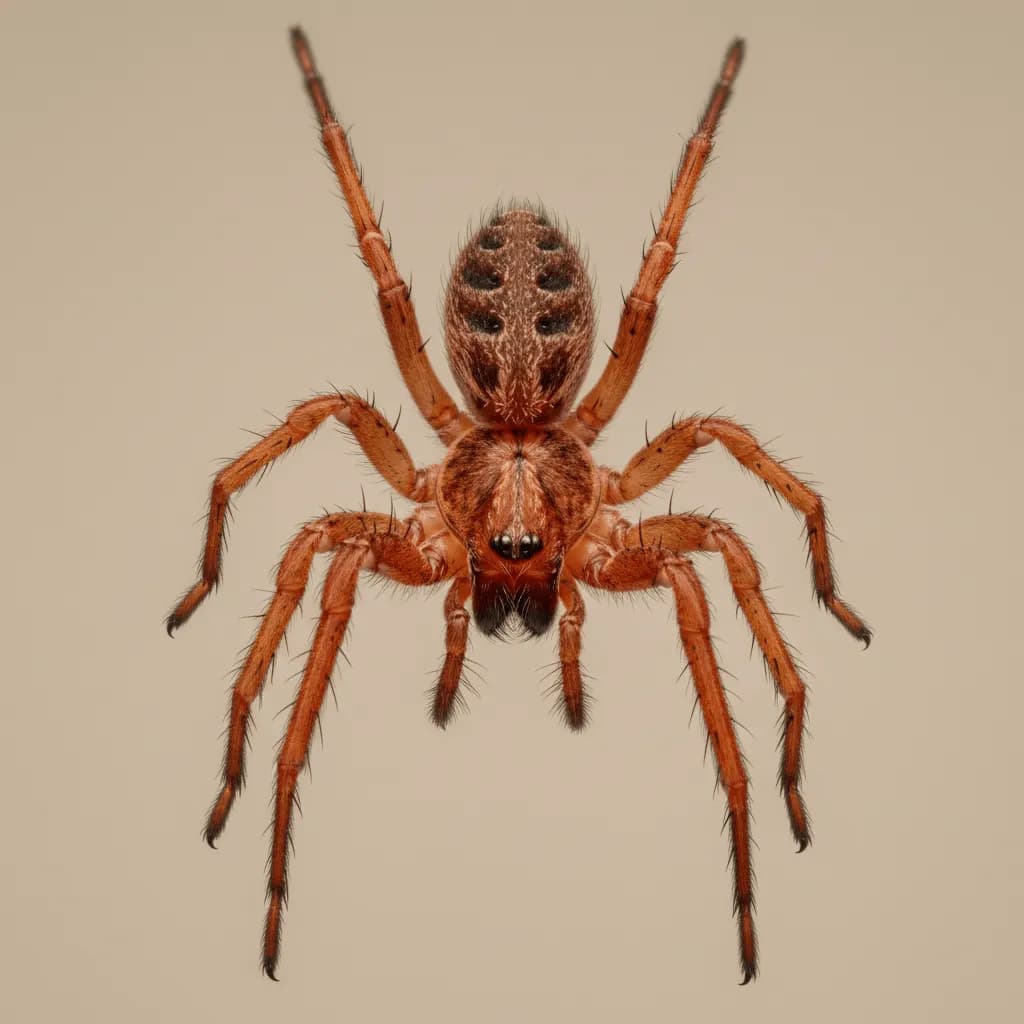
Sowbug Killer Spider
Dysdera crocata
The Sowbug Killer is a specialized predator of pill bugs and sow bugs.
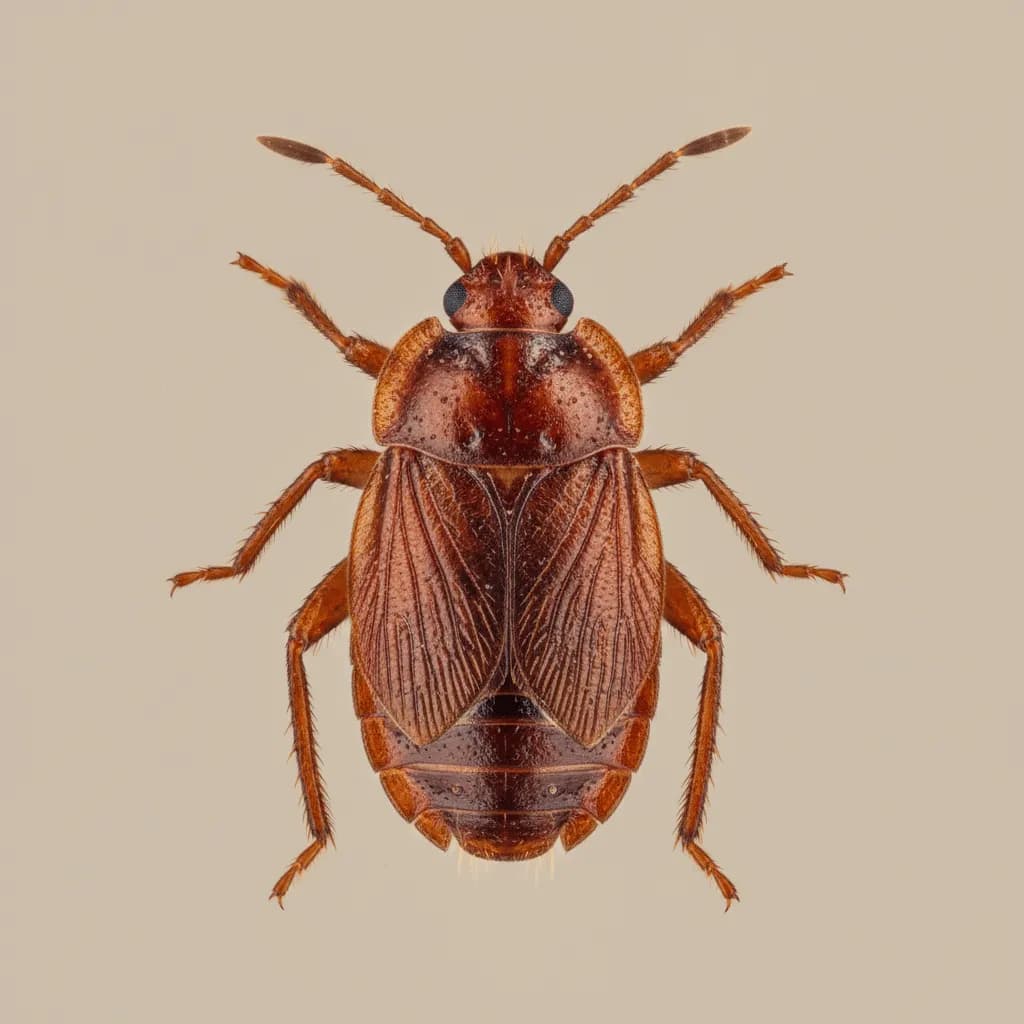
Common Bed Bug
Cimex lectularius
The Common Bed Bug is the most widespread species of bed bug globally, infesting homes, hotels, dormitories, and public transportation.
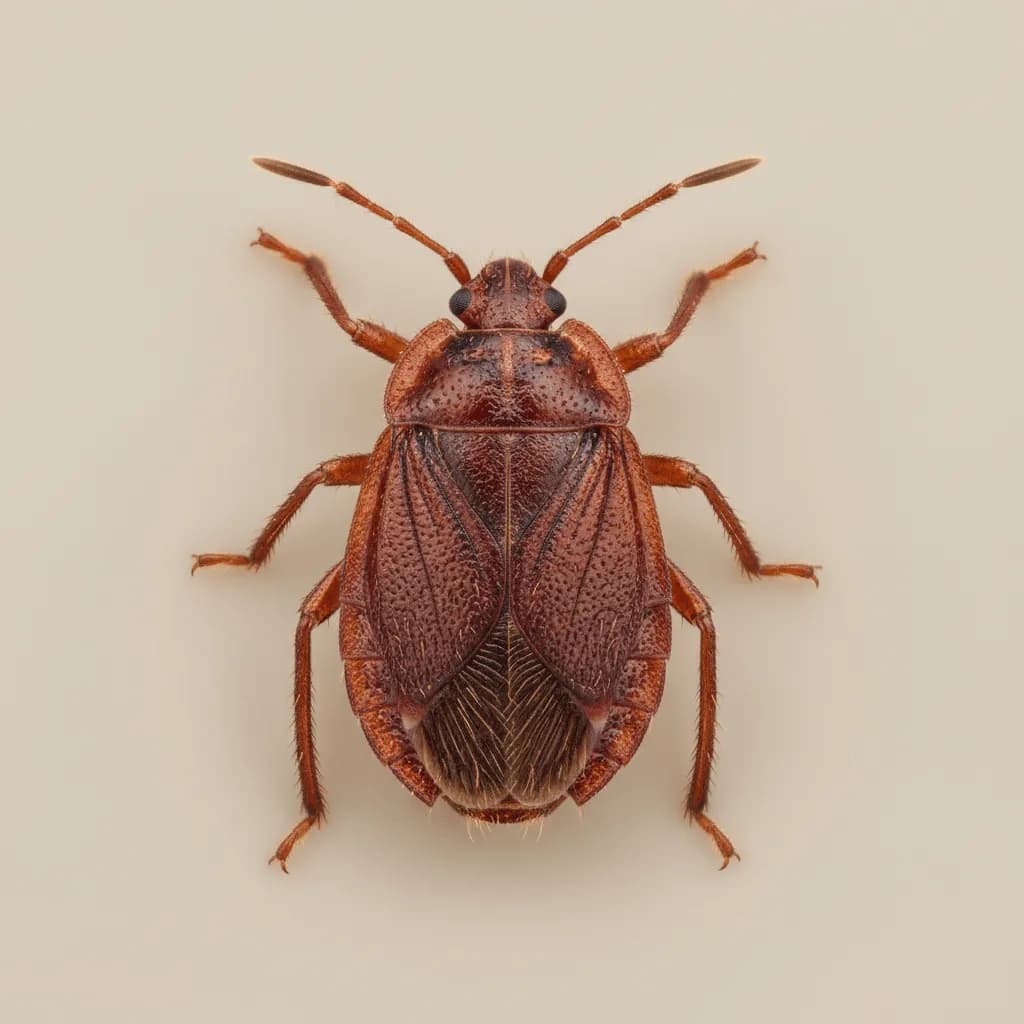
Tropical Bed Bug
Cimex hemipterus
The Tropical Bed Bug is the warm-climate counterpart of the common bed bug, found primarily in tropical and subtropical regions.
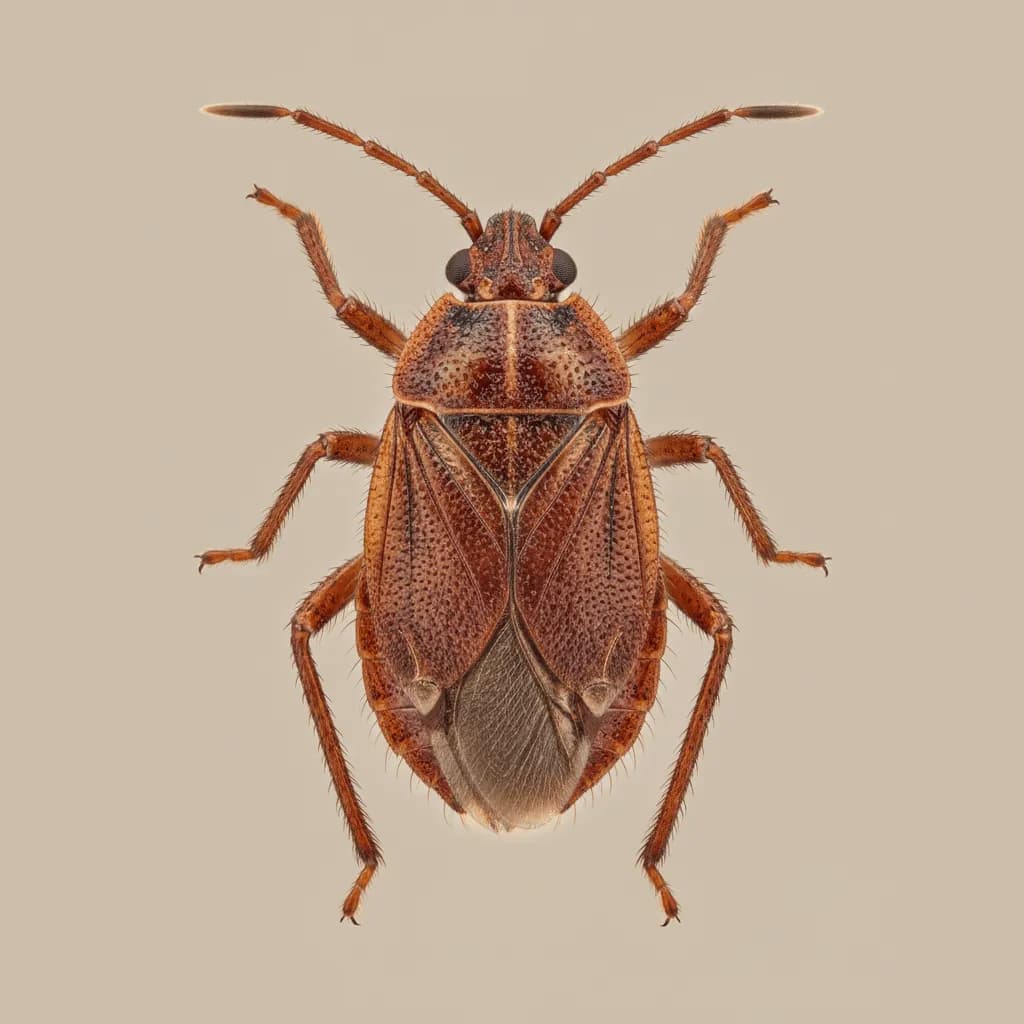
Swallow Bug
Oeciacus vicarius
The Swallow Bug is a blood-feeding parasite of cliff swallows and barn swallows.
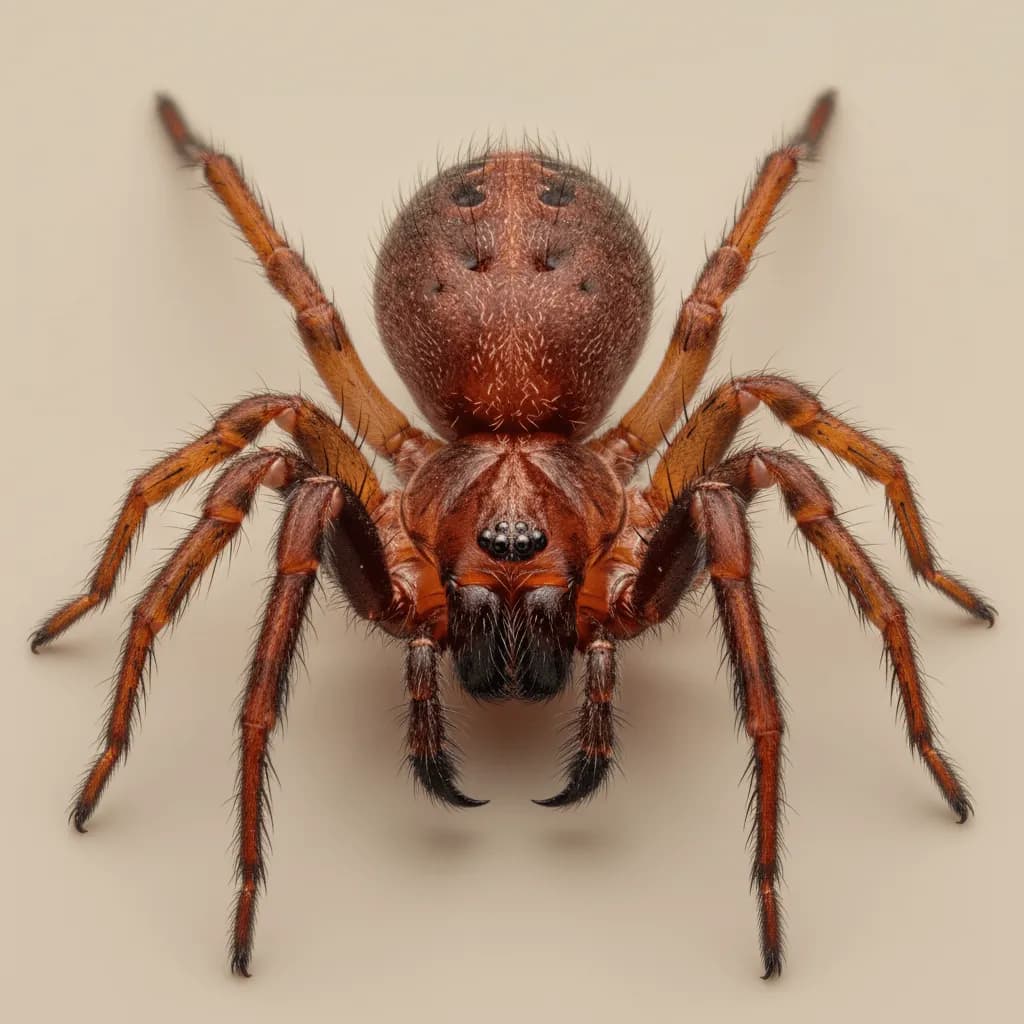
Woodlouse Spider
Dysdera crocata
The Woodlouse Spider is a specialist predator of woodlice (pillbugs and sowbugs).
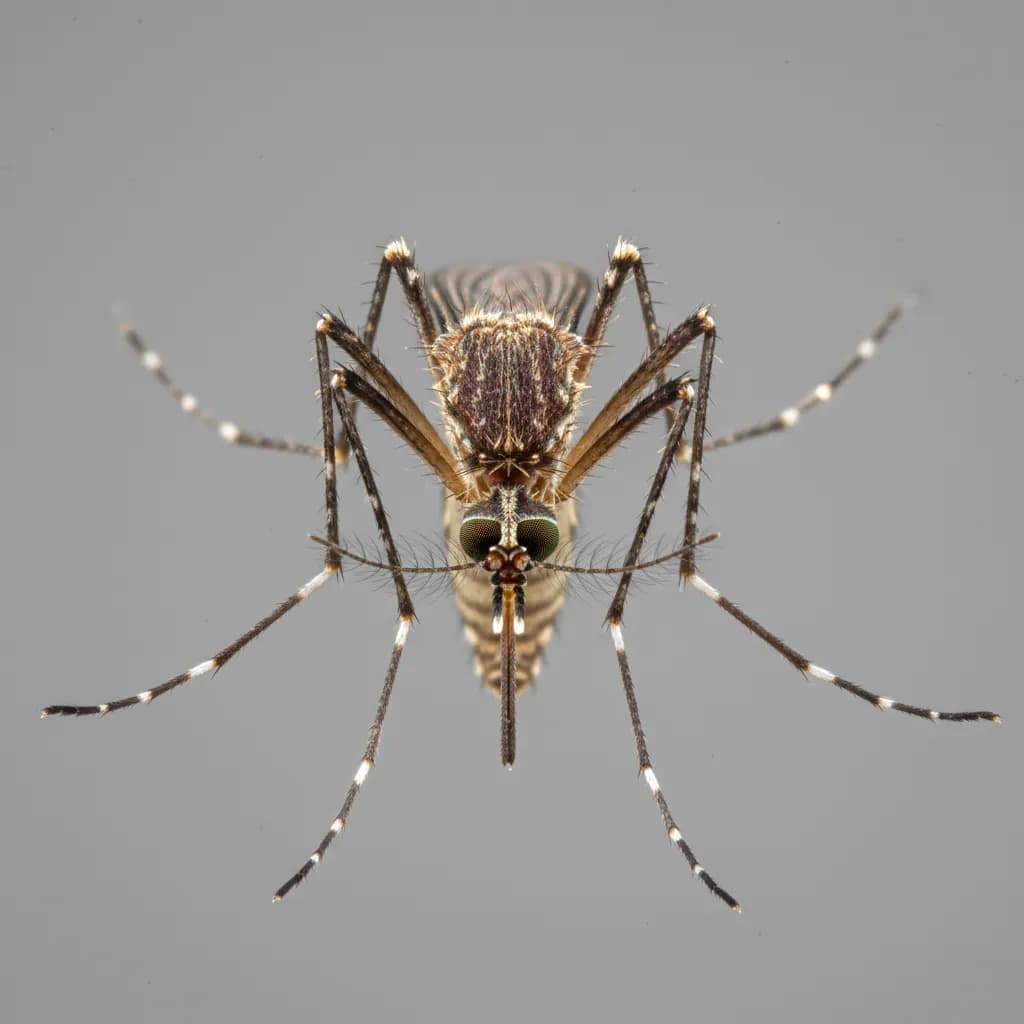
Western Encephalitis Mosquito
Culex tarsalis
The Western Encephalitis Mosquito is the most medically important mosquito species in the western United States.
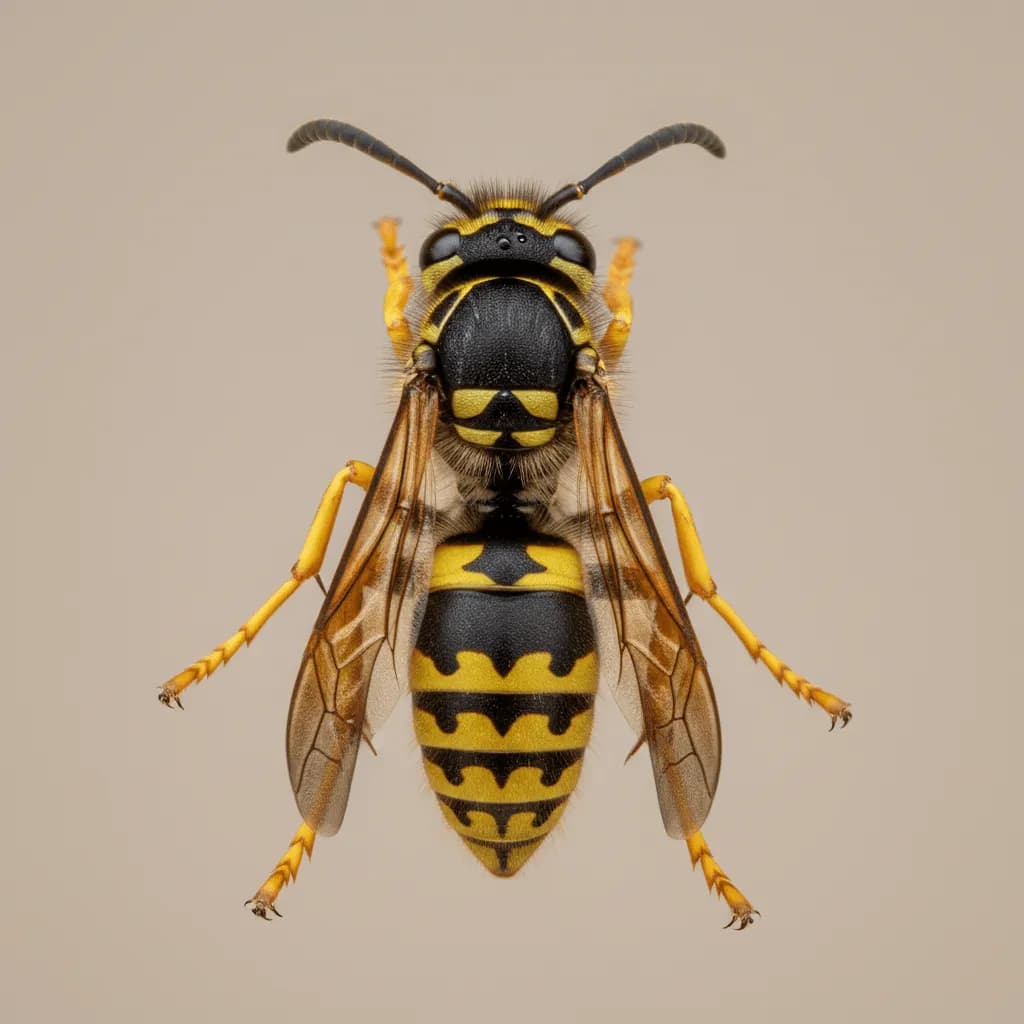
Western Yellowjacket
Vespula pensylvanica
The Western Yellowjacket is the dominant yellowjacket species throughout the western United States and is responsible for the vast majority of stinging incidents in the region.
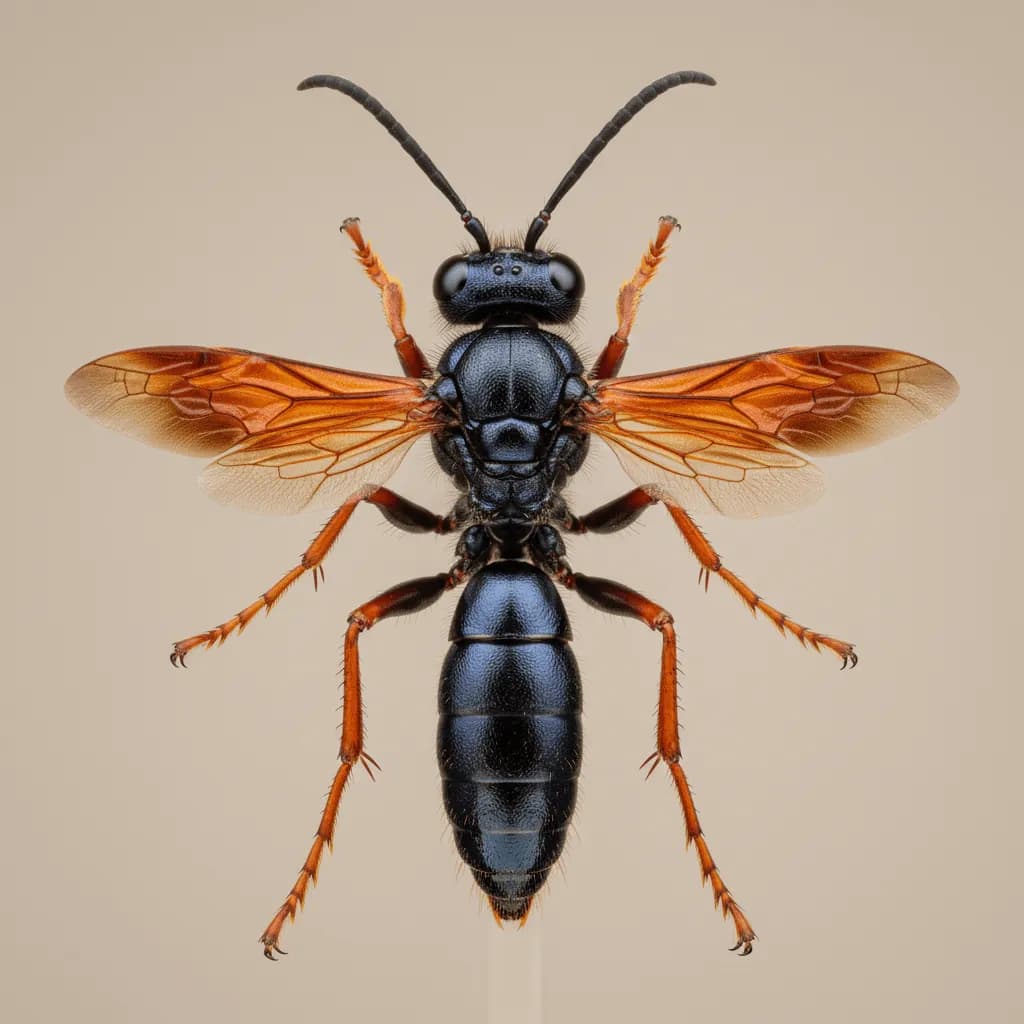
Tarantula Hawk
Pepsis grossa
The Tarantula Hawk is one of the largest and most spectacular wasps in North America.
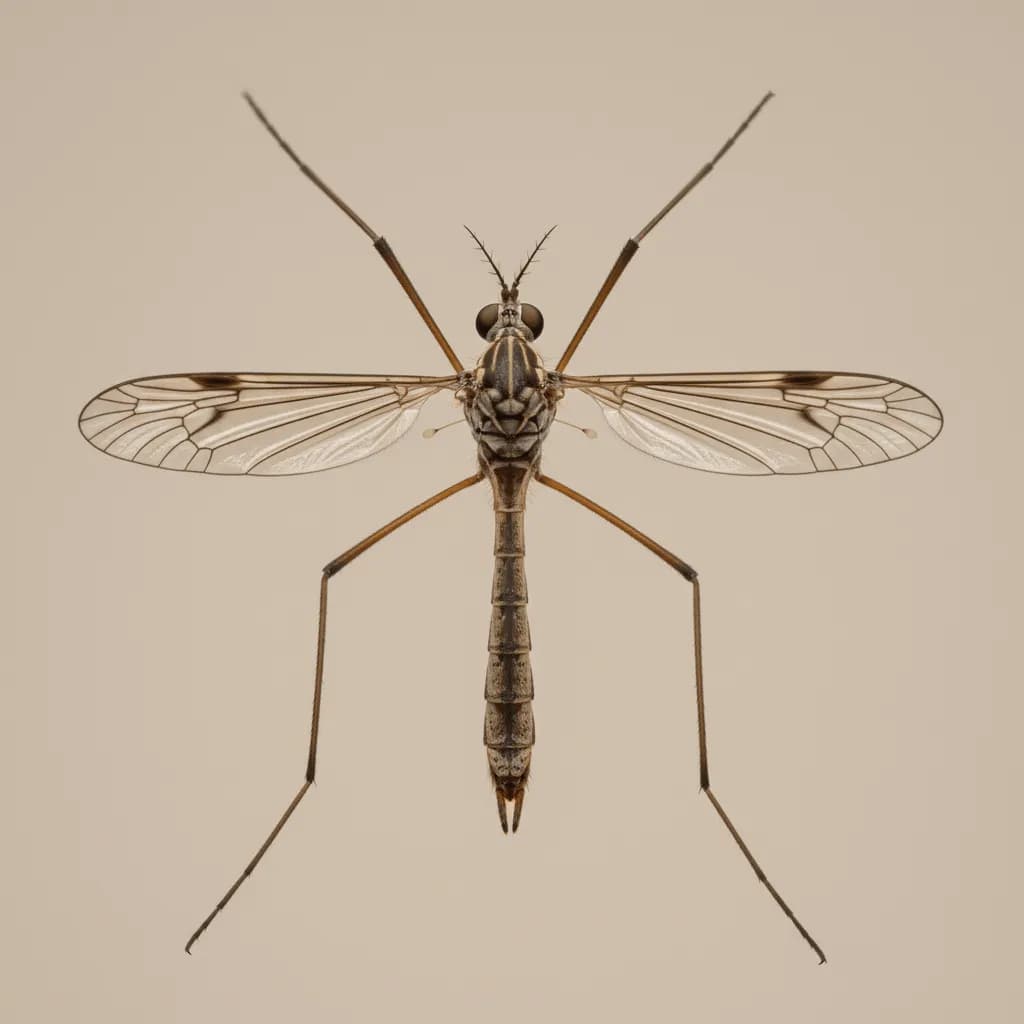
Crane Fly
Tipula oleracea
Crane flies are large, gangly flies commonly mistaken for giant mosquitoes.
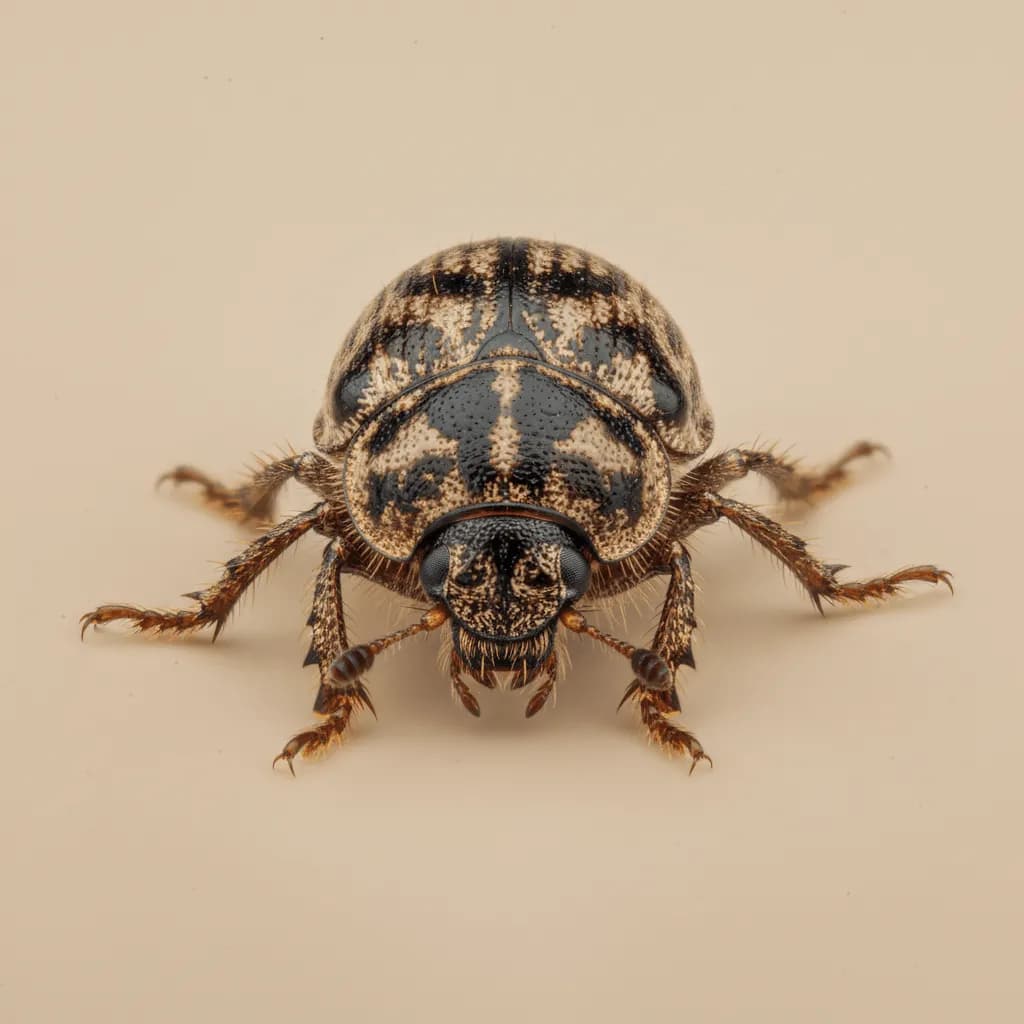
Cabinet Beetle
Trogoderma inclusum
The Cabinet Beetle is a common stored product pest closely related to the warehouse beetle.
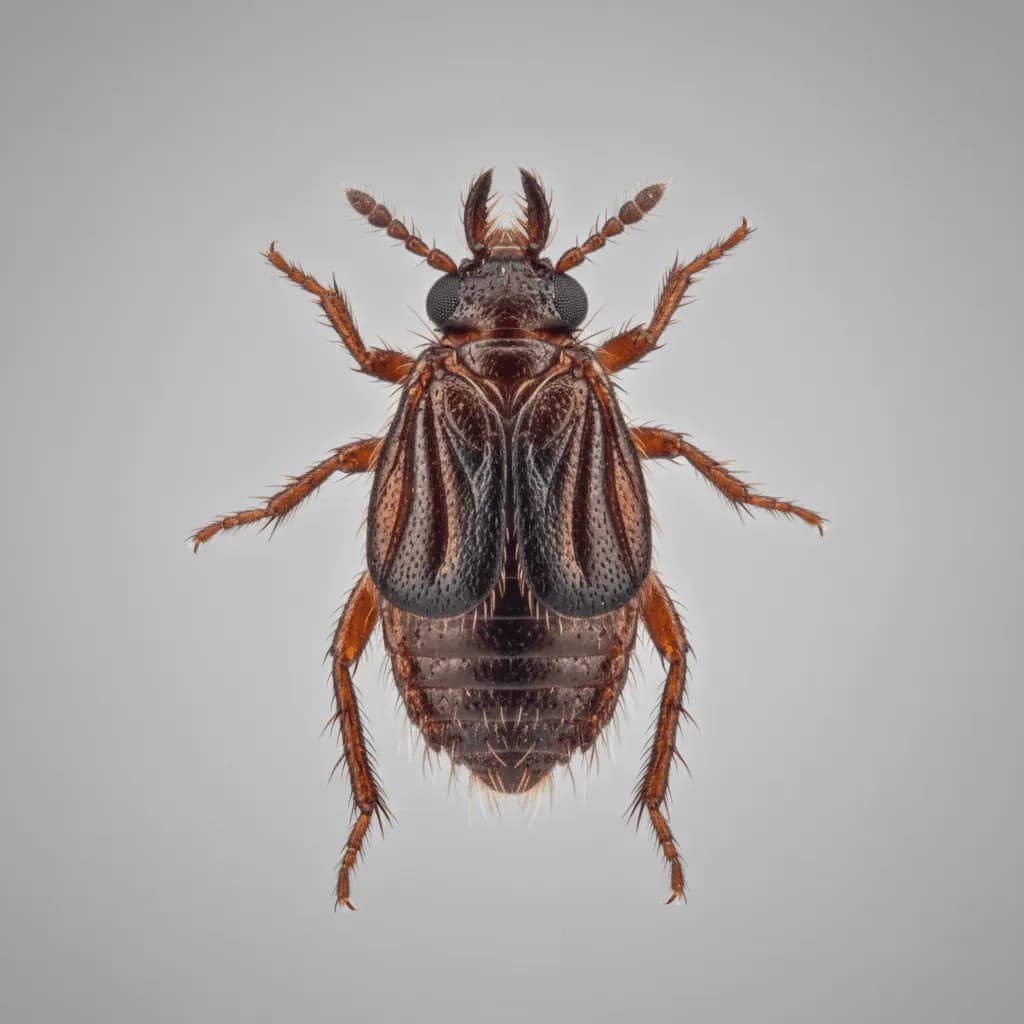
Cat Flea
Ctenocephalides felis
The Cat Flea is the most prevalent flea species in North America, infesting cats, dogs, and occasionally humans.
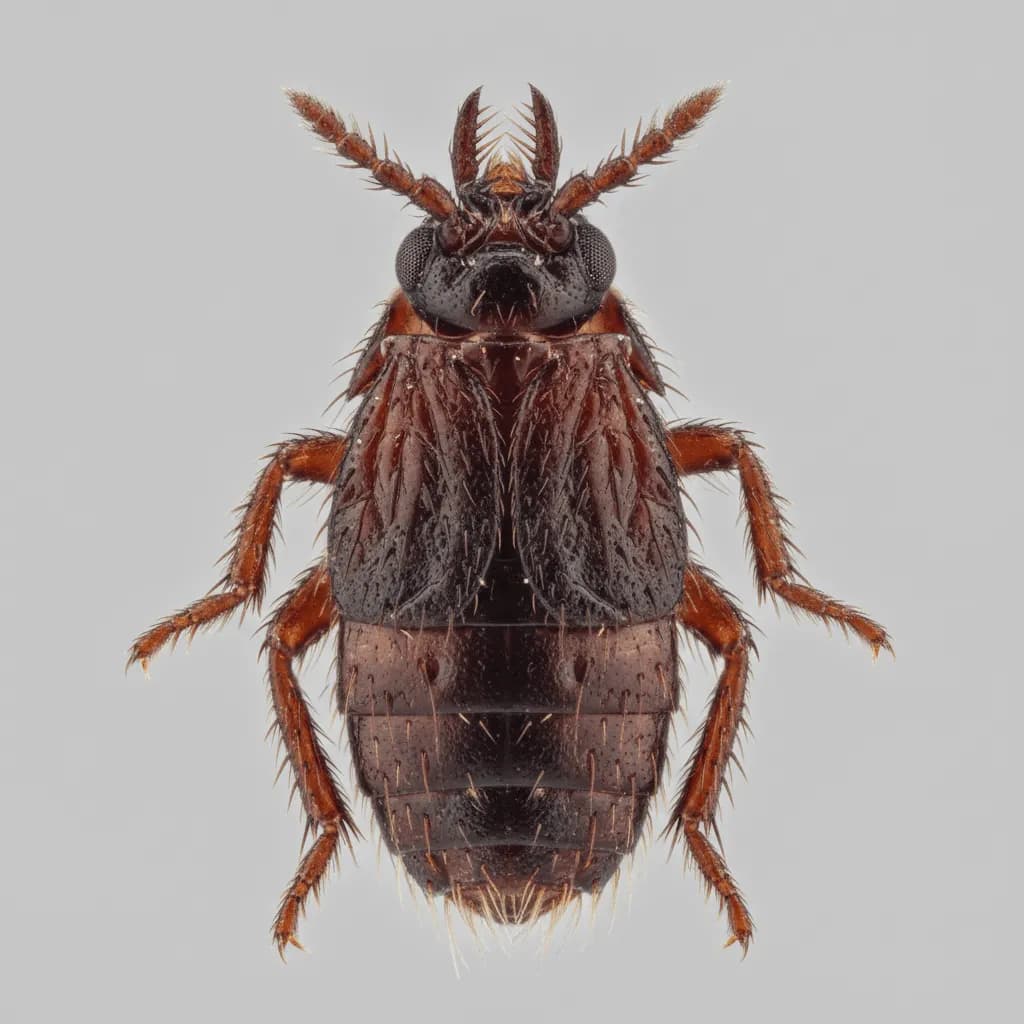
Dog Flea
Ctenocephalides canis
The Dog Flea is closely related to the cat flea and was historically considered the primary flea of domestic dogs.
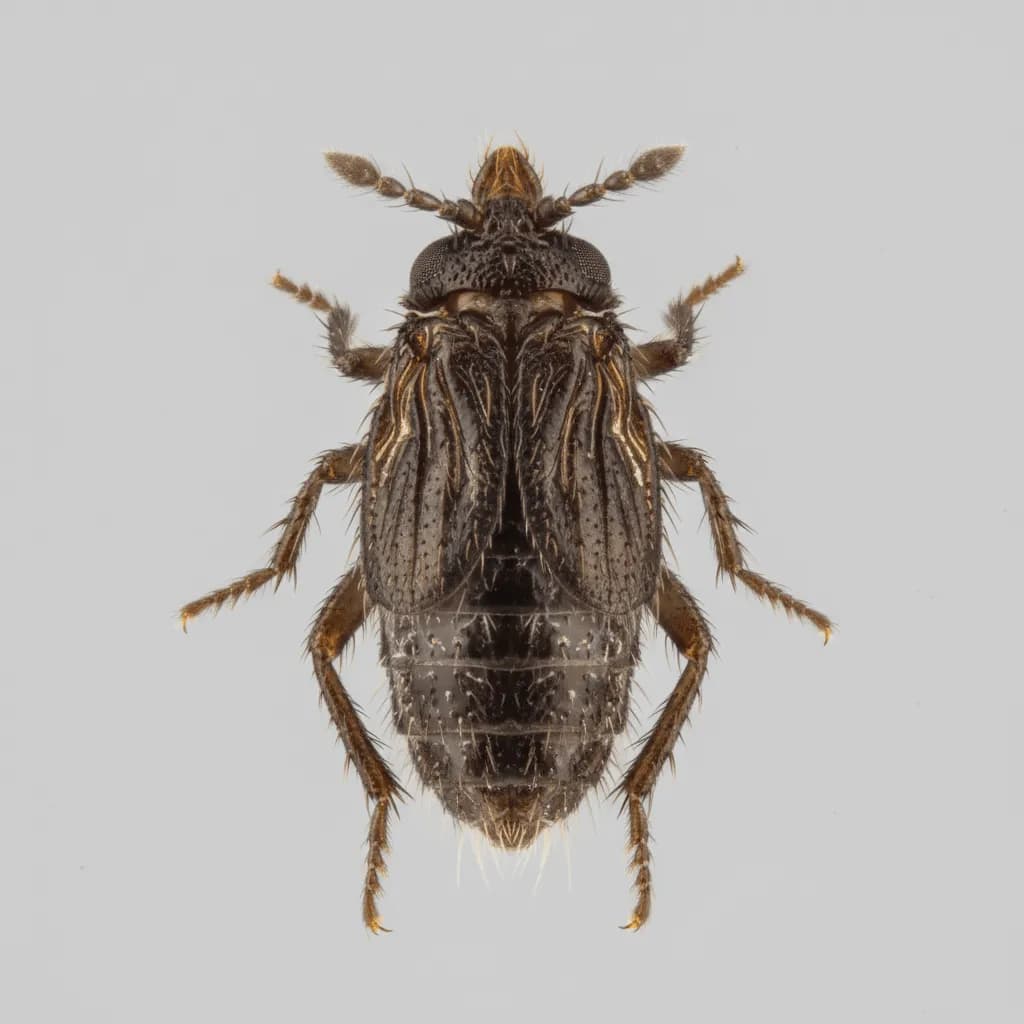
Oriental Rat Flea
Xenopsylla cheopis
The Oriental Rat Flea is the most medically significant flea species in human history, serving as the primary vector of bubonic plague (Yersinia pestis) and murine typhus (Rickettsia typhi).
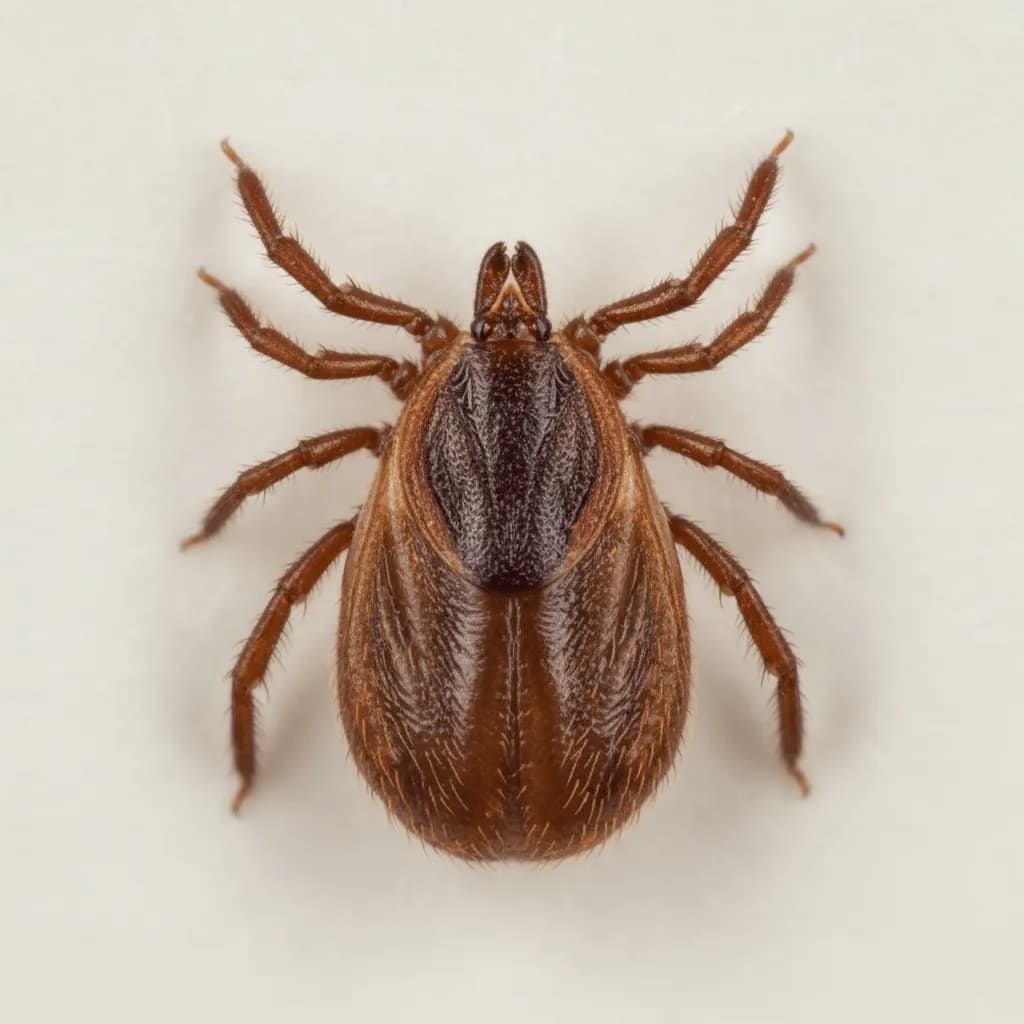
Brown Dog Tick
Rhipicephalus sanguineus
The Brown Dog Tick is unique among North American ticks in its ability to complete its entire life cycle indoors, making it a serious pest of homes and kennels.
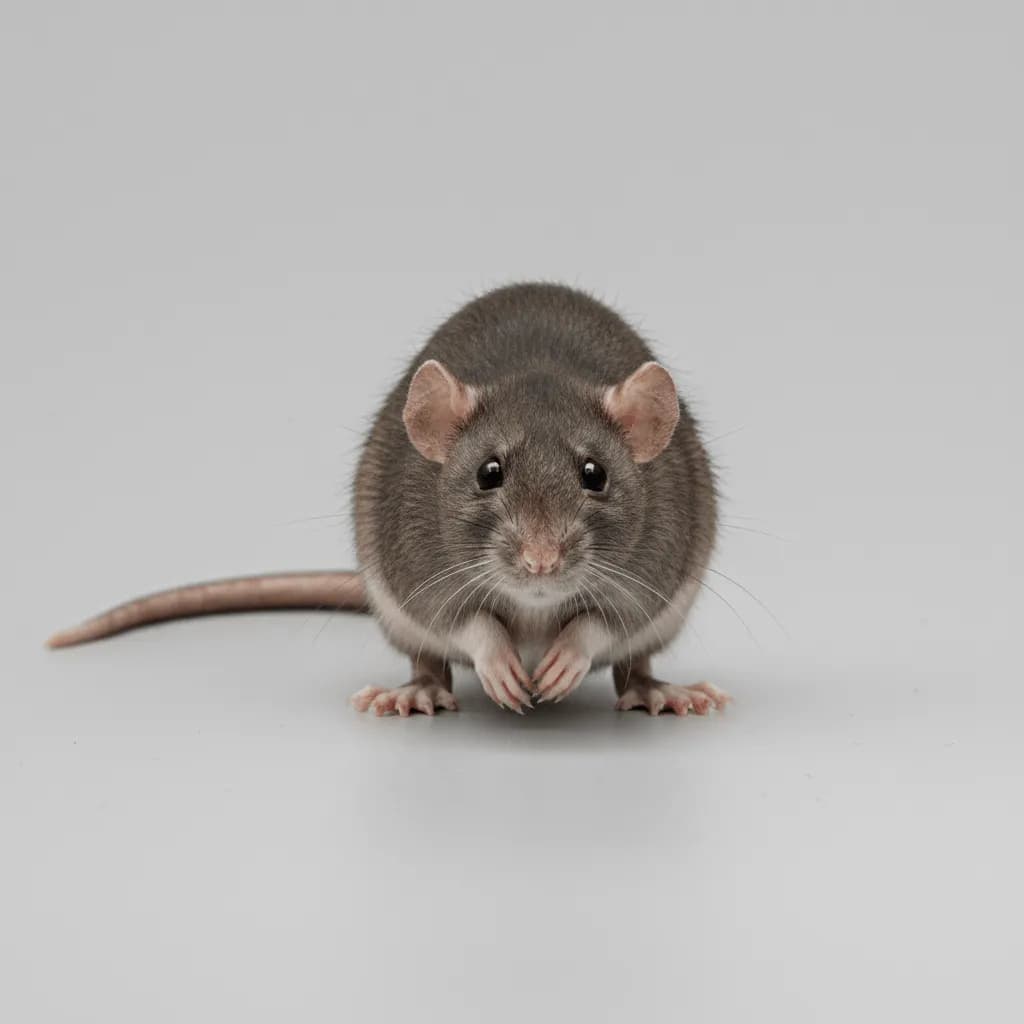
Norway Rat
Rattus norvegicus
The Norway Rat is the most widespread commensal rodent in the world and the dominant rat species in temperate North America.
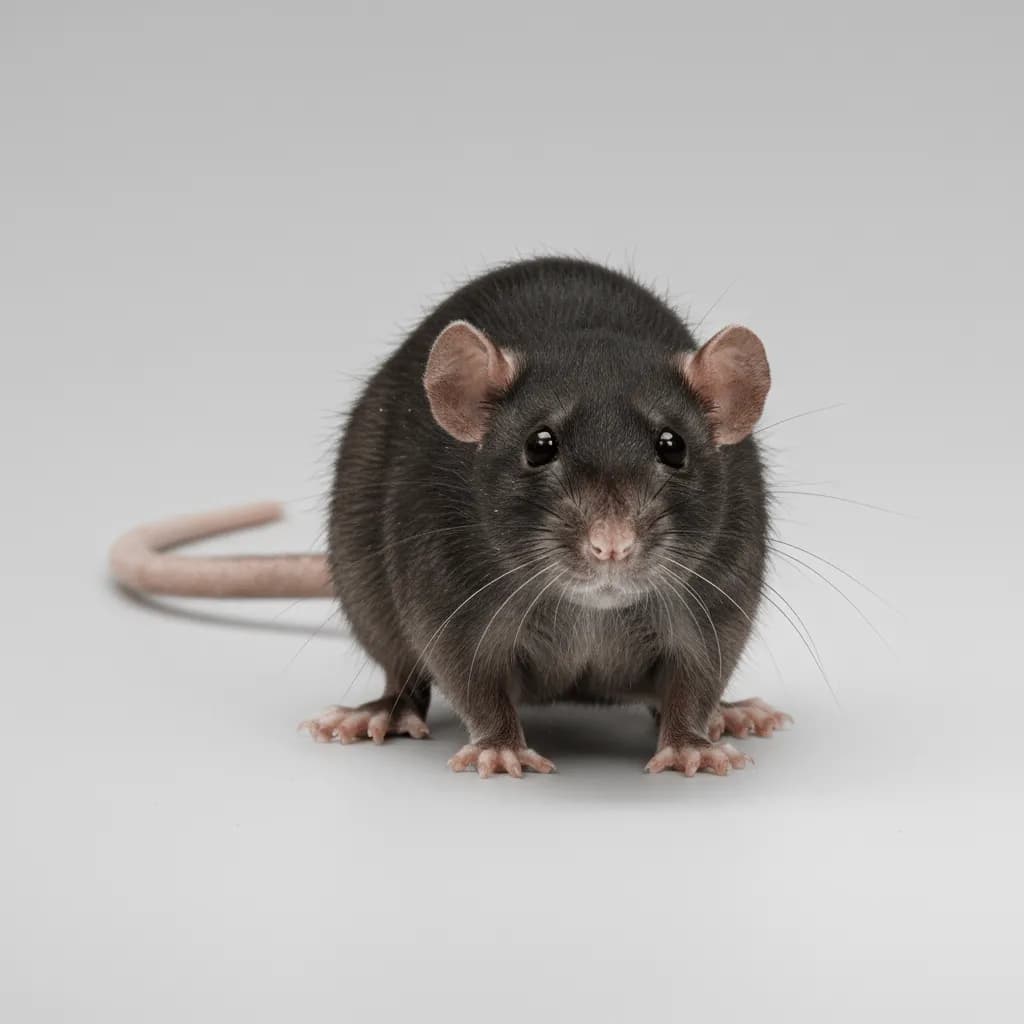
Roof Rat
Rattus rattus
The Roof Rat is an agile climbing rodent that prefers to nest in elevated locations such as attics, rafters, trees, and dense vine growth.
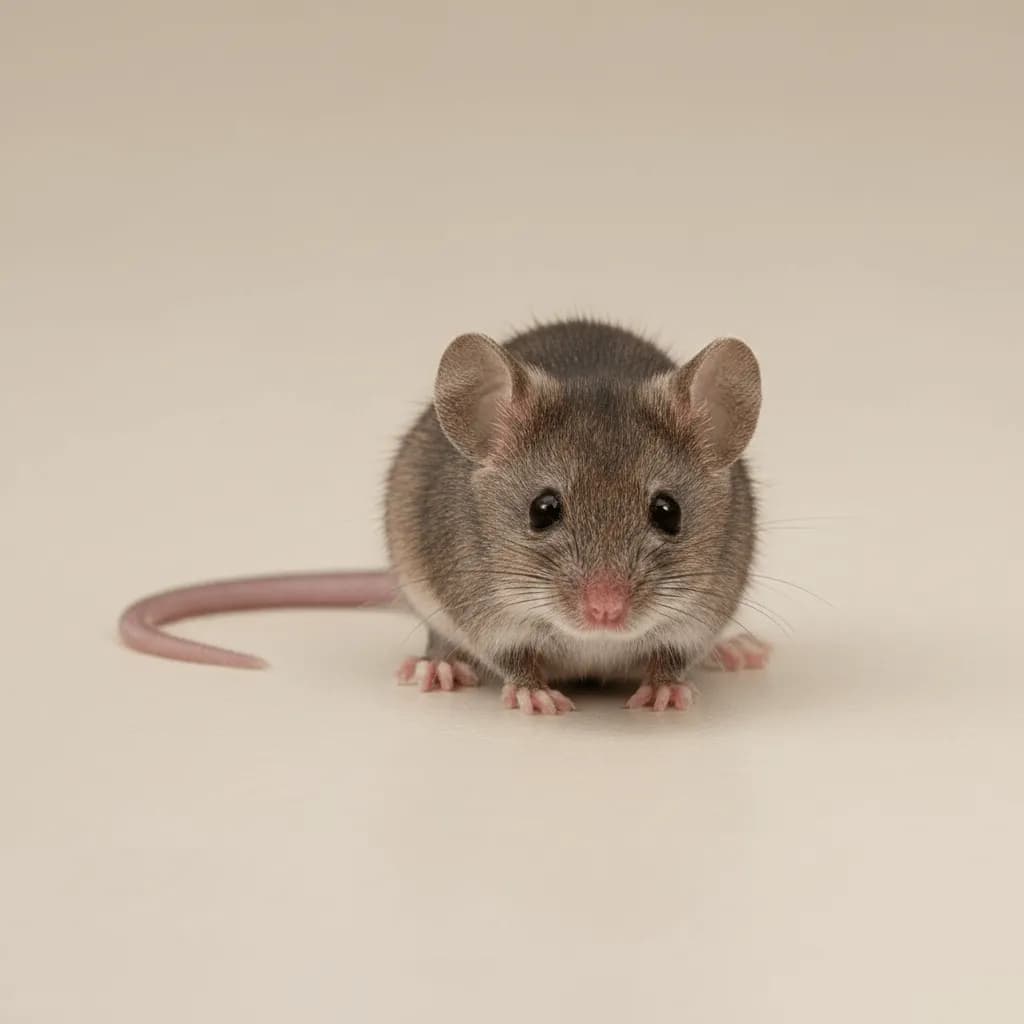
House Mouse
Mus musculus
The House Mouse is the most common commensal rodent in the world and the leading mammalian pest of homes and commercial buildings.
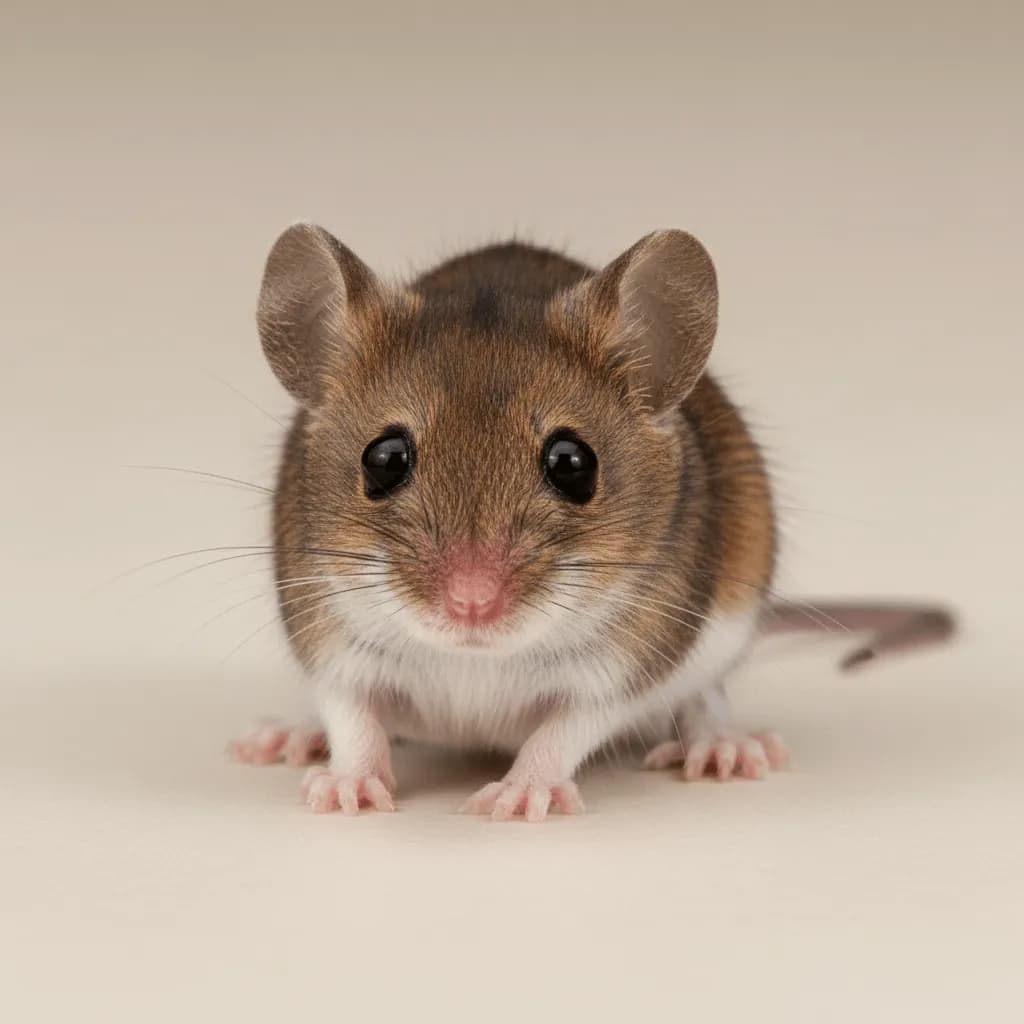
Deer Mouse
Peromyscus maniculatus
The Deer Mouse is the most abundant mammal in North America and the primary reservoir of Sin Nombre hantavirus, which causes hantavirus pulmonary syndrome (HPS), a potentially fatal respiratory disease.
Need Help With Pests in Washington?
If you're seeing signs of pests in Washington in or around your home, professional treatment is the fastest way to stop the problem. Lotus Pest Control offers free inspections to identify the issue and recommend the right solution.