
Common Pests in New Jersey
New Jersey falls within the Northeast region, where four distinct seasons with cold, snowy winters and warm, humid summers; average temperatures range from the low 20s in january to the mid-80s in july. Below are the pests most commonly encountered by homeowners in New Jersey.
Seasonal Pest Activity in New Jersey
spring
Carpenter ants swarm and establish satellite colonies in water-damaged wood. Eastern subterranean termites produce swarmer flights. Ticks become active early, with blacklegged ticks transmitting Lyme disease as nymphs emerge. Cluster flies and lady beetles exit overwintering sites inside wall voids.
summer
Yellowjackets and paper wasps build nests around eaves, soffits, and decks. Mosquitoes breed in gutters, birdbaths, and containers throughout urban and suburban areas. Bed bug infestations peak with increased travel. Carpenter bees bore into unpainted wood trim and fascia boards.
fall
Brown marmorated stink bugs invade homes by the hundreds seeking overwintering sites. Mice and rats push indoors as temperatures drop. Lady beetles and boxelder bugs cluster on sun-warmed exterior walls. Yellowjacket aggression peaks as colonies decline and workers scavenge for sugar.
winter
Rodent pressure is at its highest as mice and rats occupy wall voids, attics, and basements. German cockroaches thrive in heated apartment buildings and restaurants. Overwintering pests like stink bugs and cluster flies may emerge on warm days. Bed bug activity continues unabated in heated environments.
Pests Common in New Jersey (123)
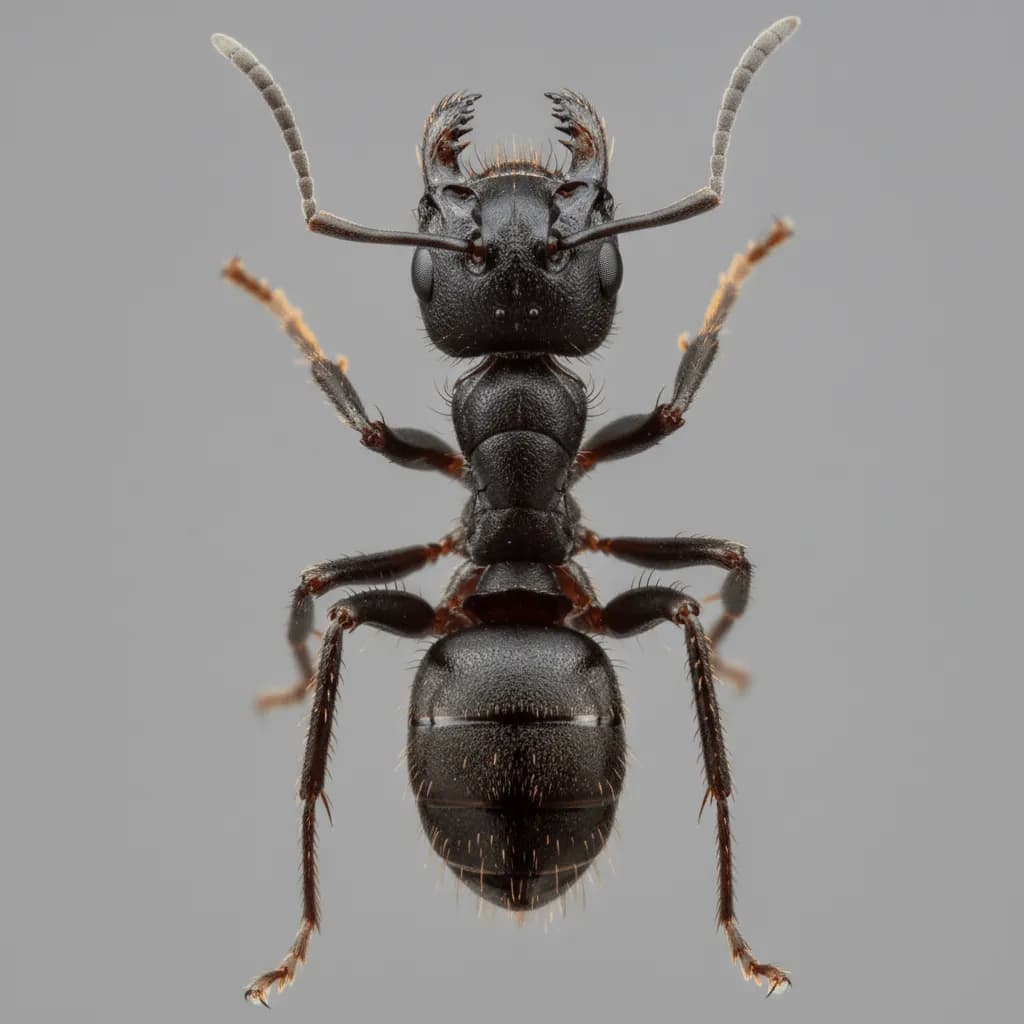
Black Carpenter Ant
Camponotus pennsylvanicus
The Black Carpenter Ant is the most common structural-pest ant in North America.
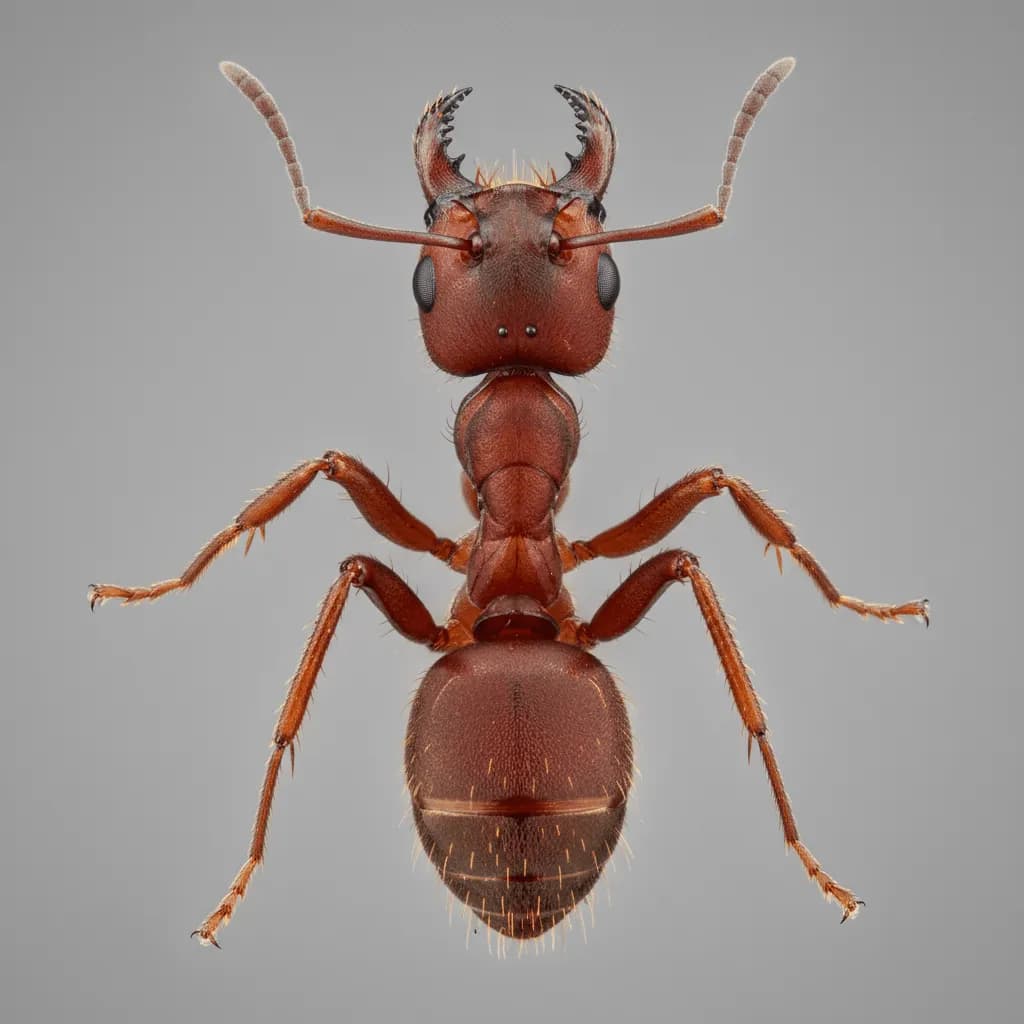
Red Carpenter Ant
Camponotus chromaiodes
The Red Carpenter Ant shares the wood-excavating habits of its black cousin but favors hardwood forests across the eastern United States.
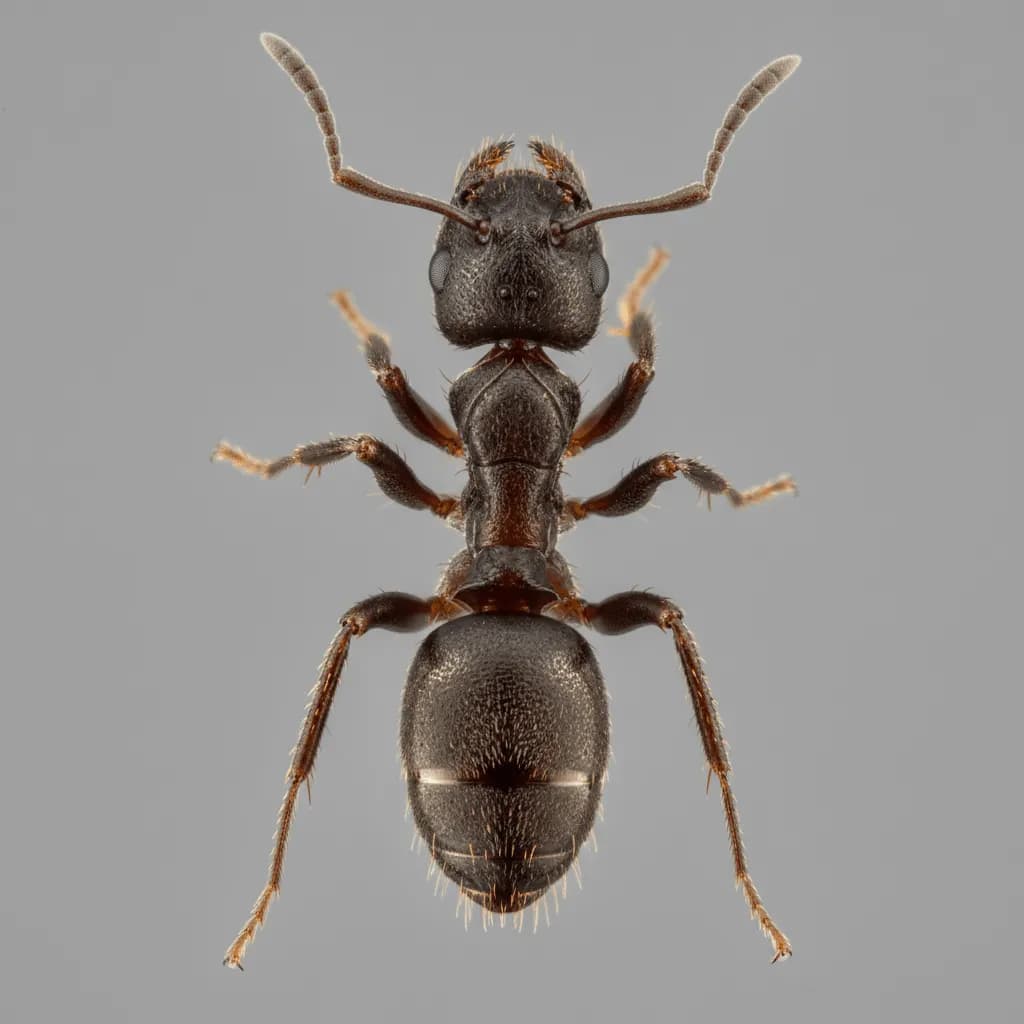
Odorous House Ant
Tapinoma sessile
The Odorous House Ant is one of the most common household-invading ants in the United States.
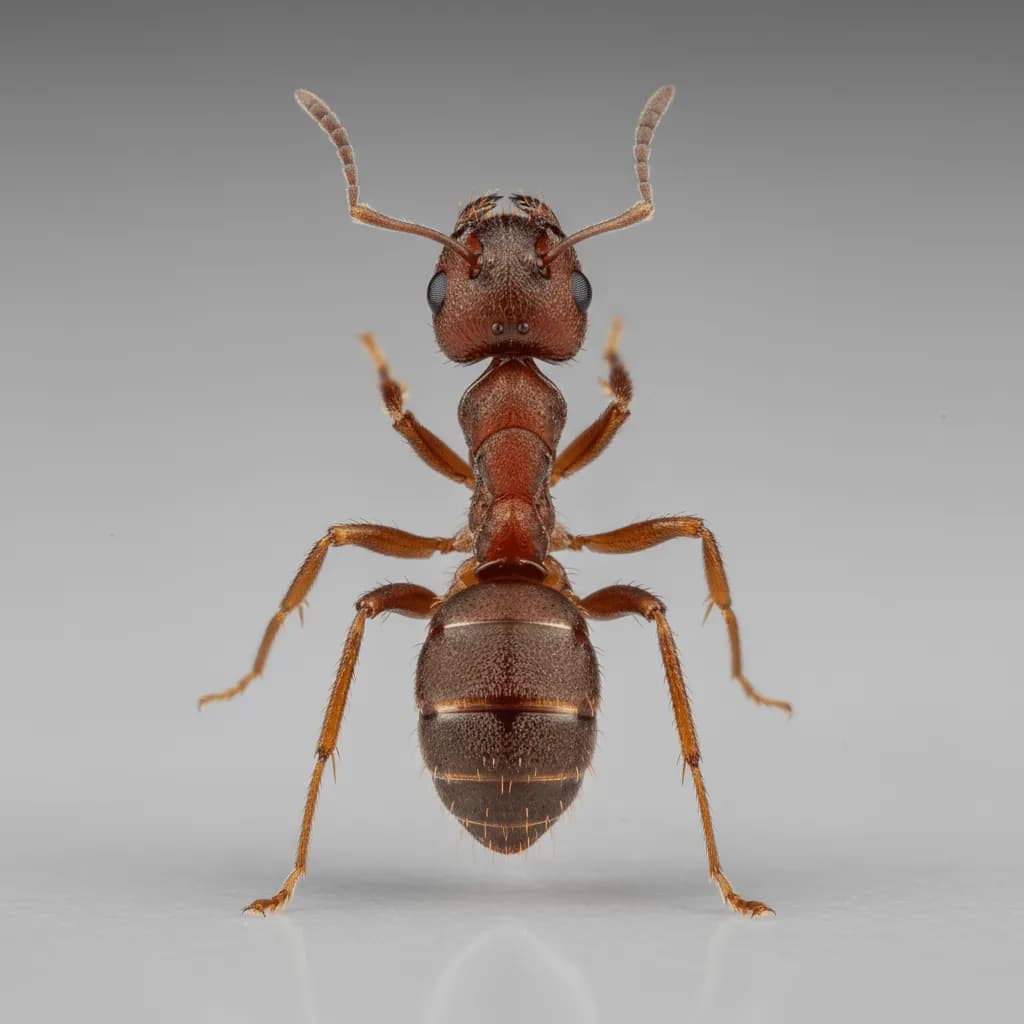
Pavement Ant
Tetramorium caespitum
Pavement Ants are among the most common ant pests in the northeastern and midwestern United States.
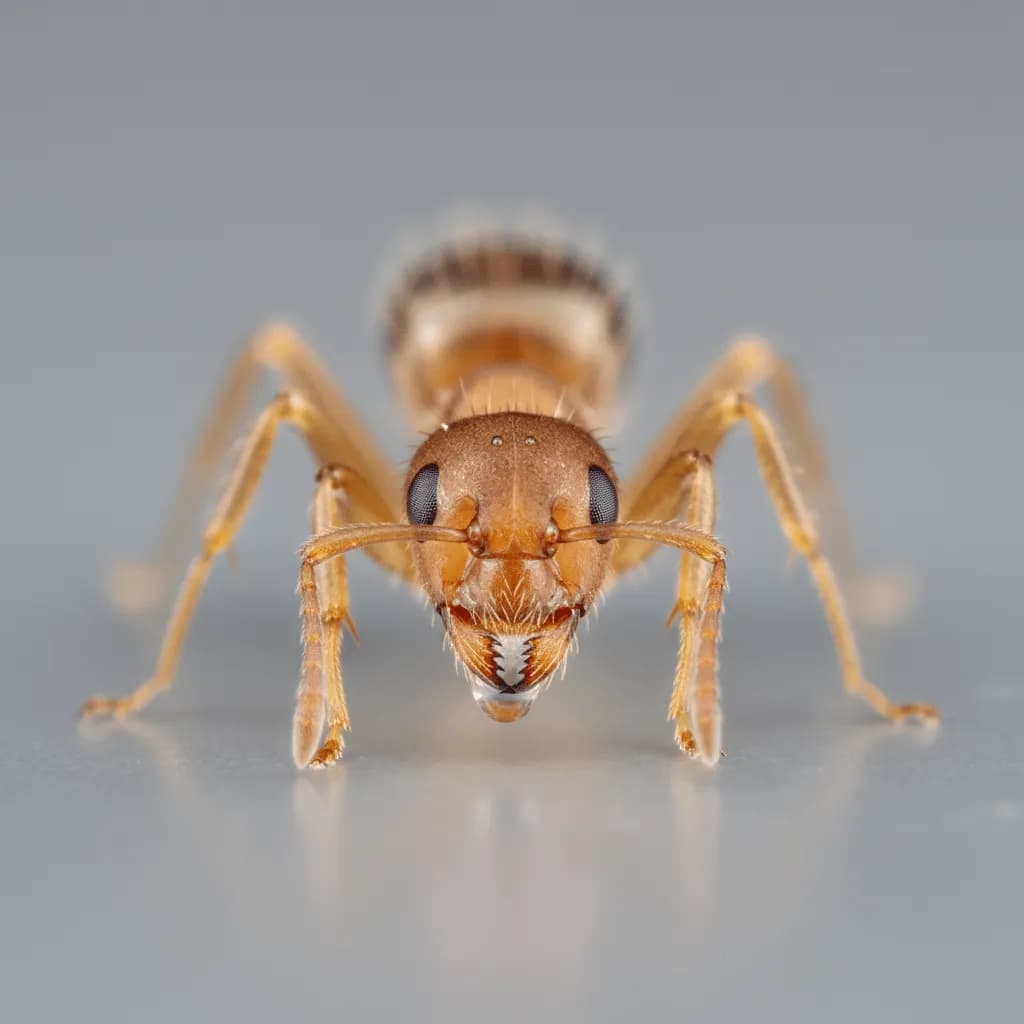
Pharaoh Ant
Monomorium pharaonis
The Pharaoh Ant is a tiny tropical species that thrives in heated buildings throughout the United States.
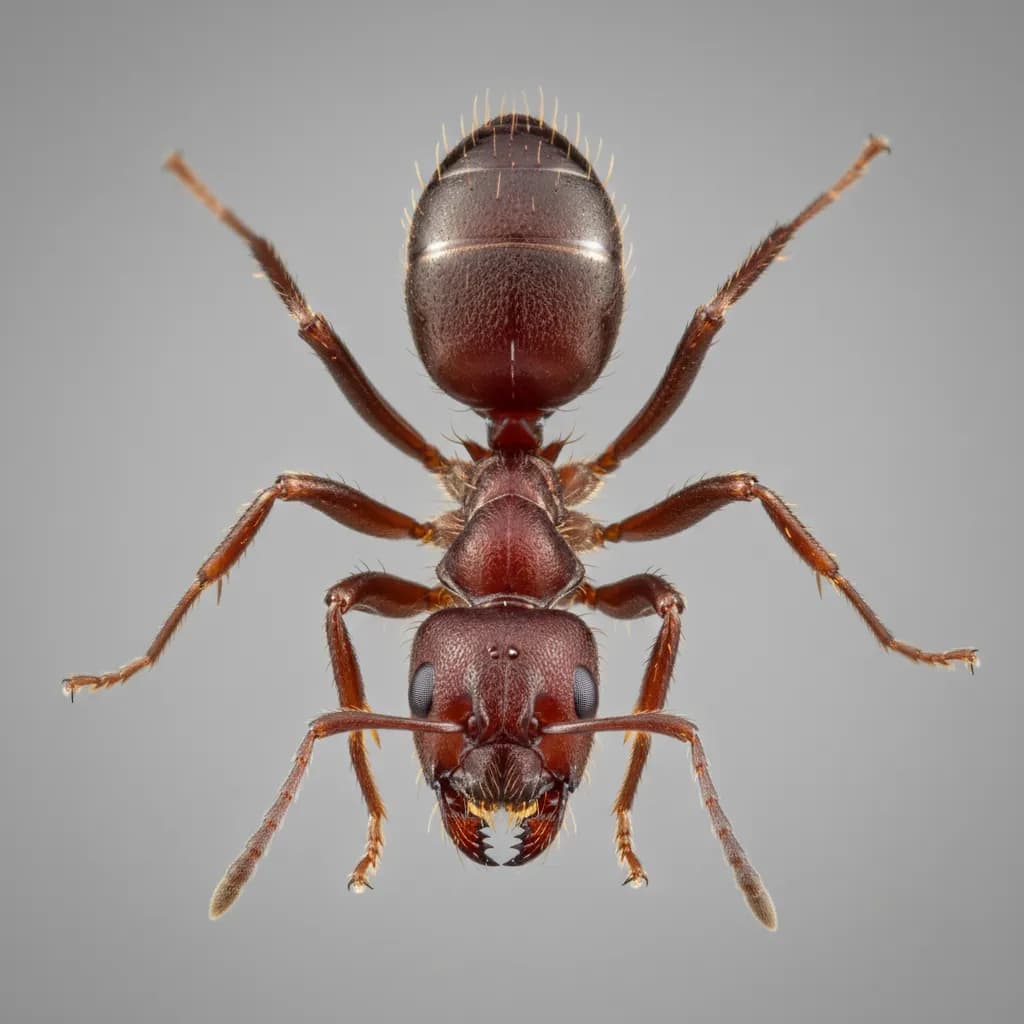
Acrobat Ant
Crematogaster spp.
Acrobat Ants are cavity-nesting ants that commonly inhabit moisture-damaged wood and abandoned insect galleries in structures.
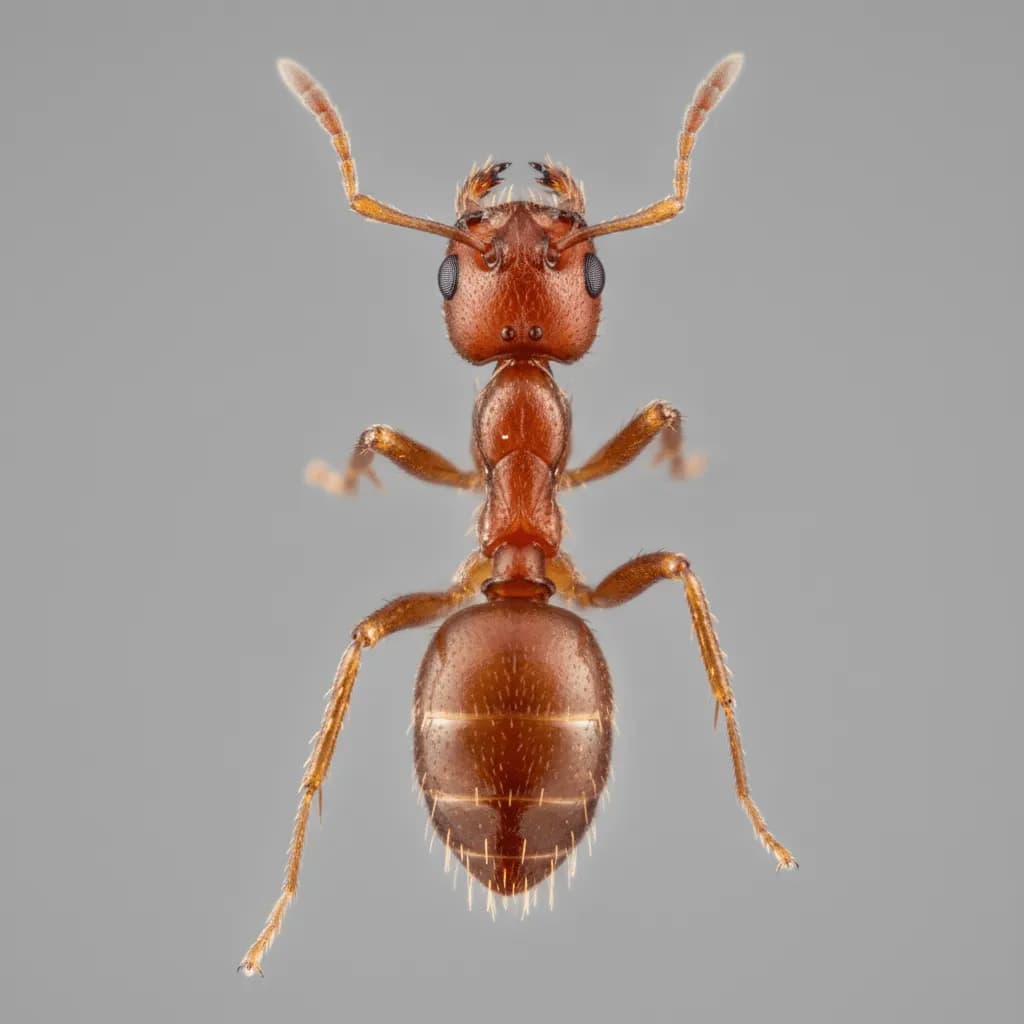
Thief Ant
Solenopsis molesta
The Thief Ant gets its name from its habit of nesting near larger ant colonies and stealing their food and brood.
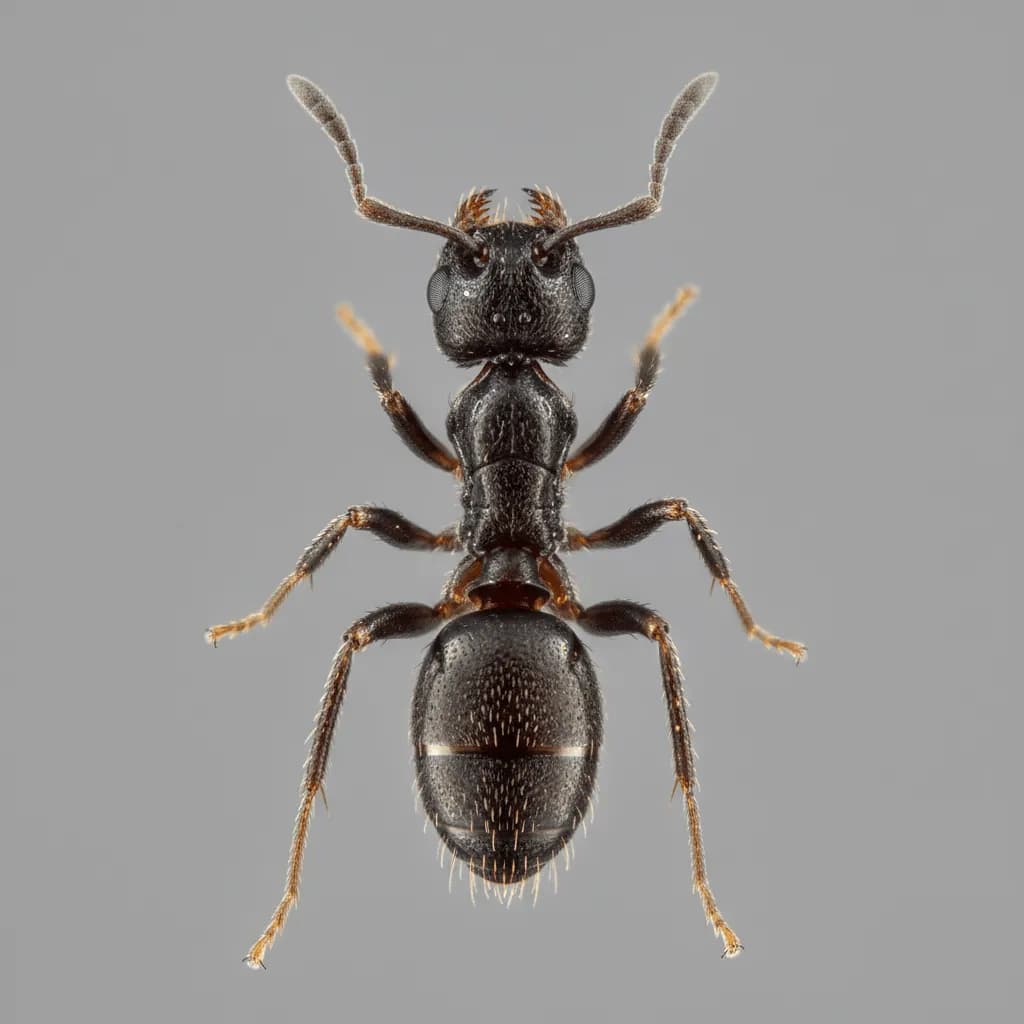
Little Black Ant
Monomorium minimum
The Little Black Ant is one of the most common and widespread ant species in the eastern United States.
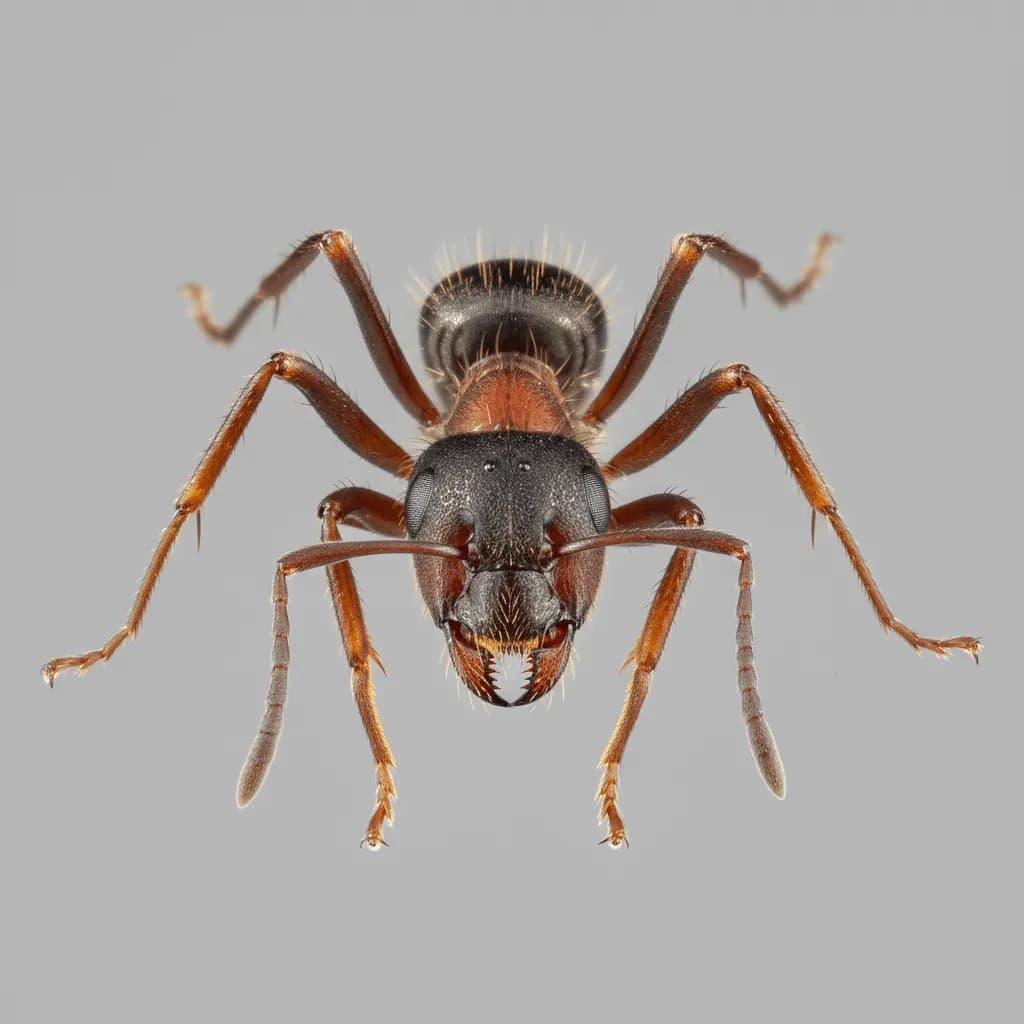
Field Ant
Formica spp.
Field Ants are a large genus with many species across North America.
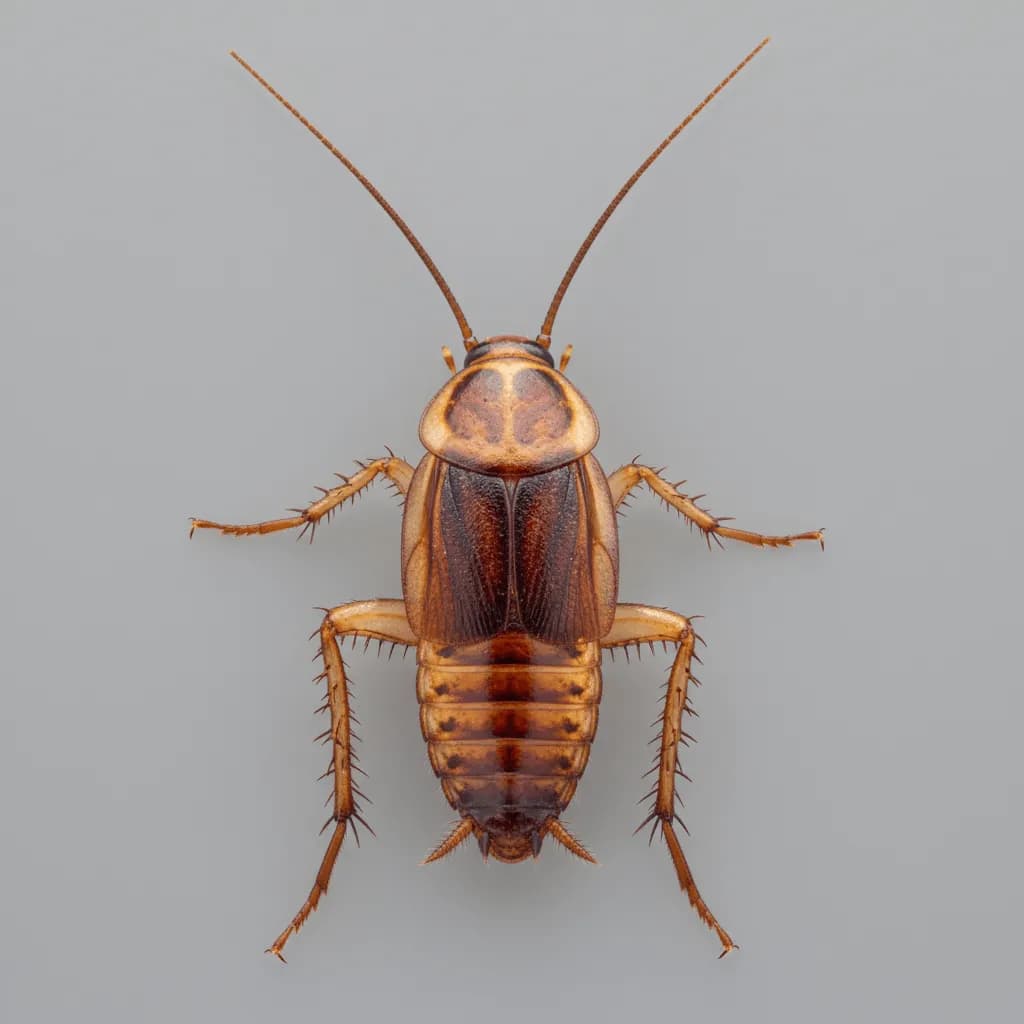
German Cockroach
Blattella germanica
The German Cockroach is the most common and economically important pest cockroach worldwide.
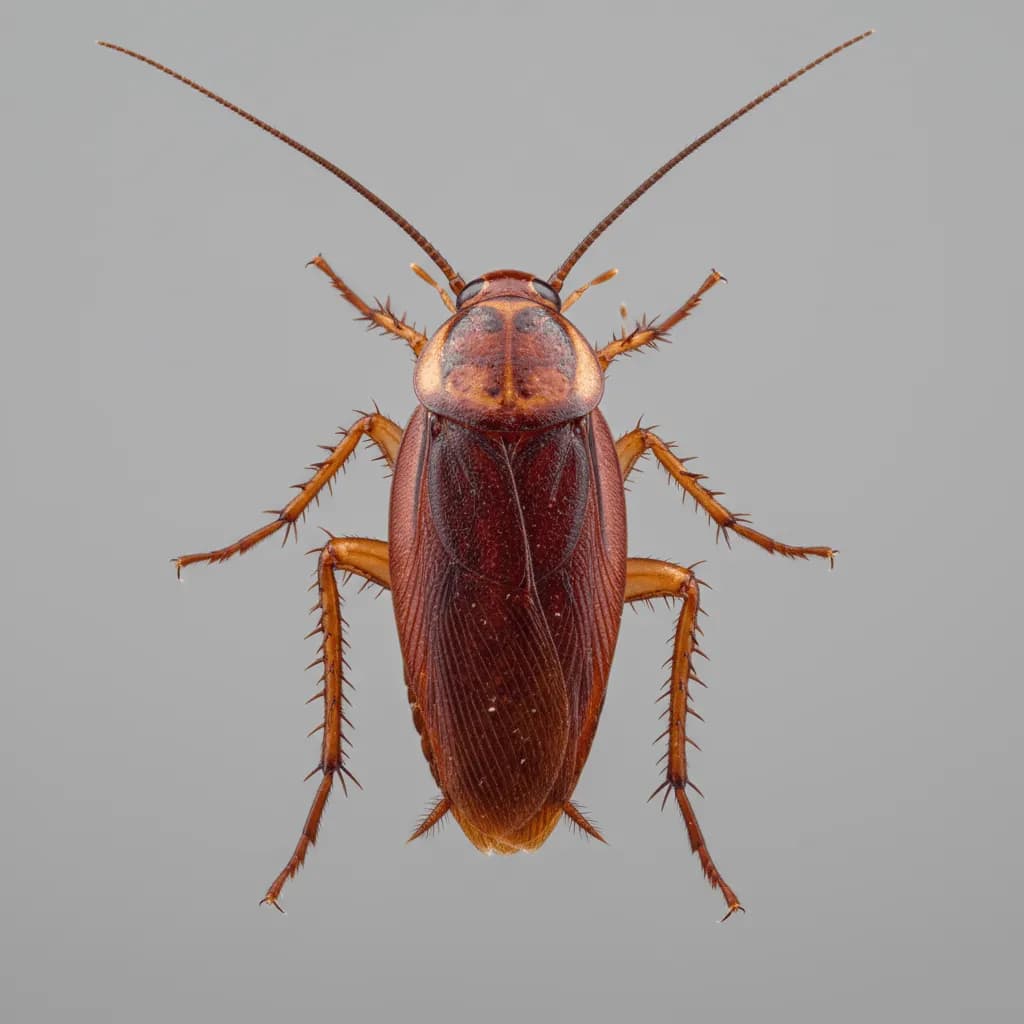
American Cockroach
Periplaneta americana
The American Cockroach is the largest cockroach species commonly found in U.
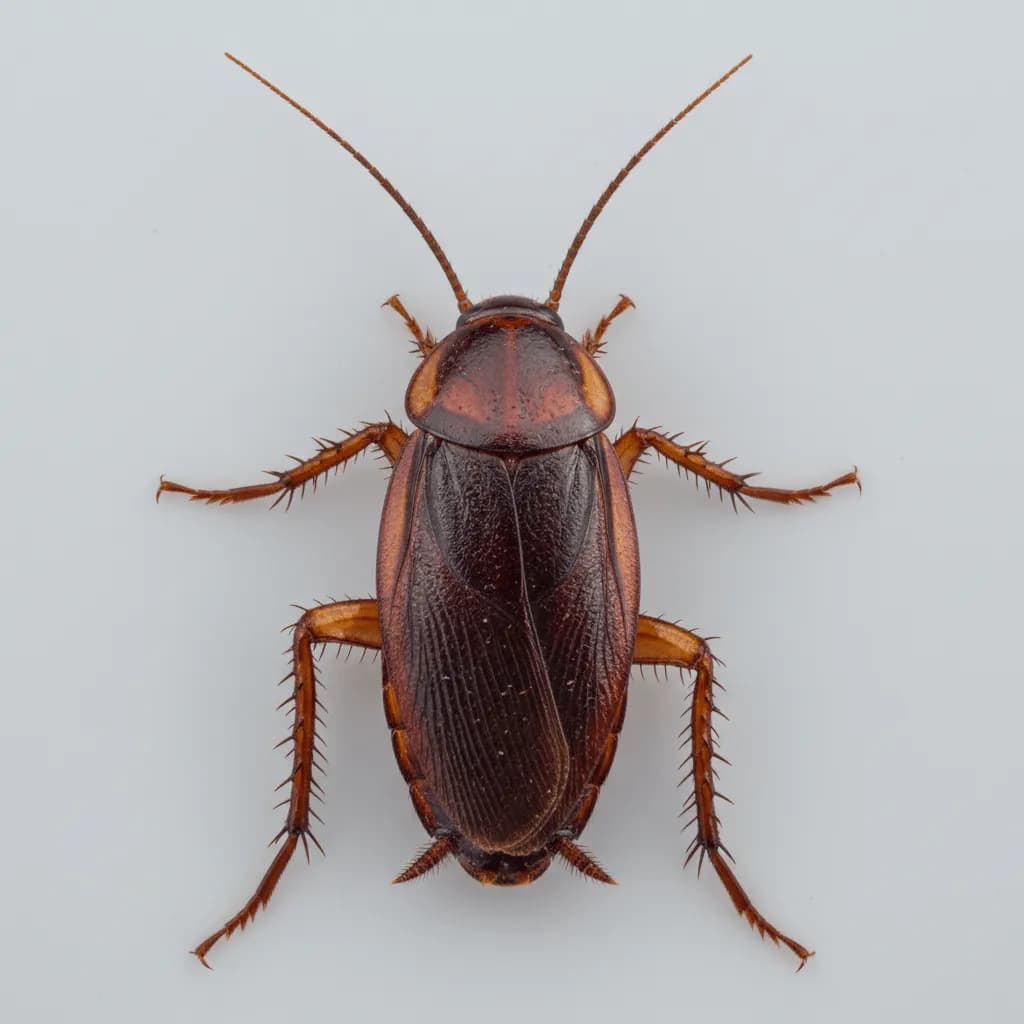
Oriental Cockroach
Blatta orientalis
The Oriental Cockroach is a dark, sluggish species associated with damp, cool environments.
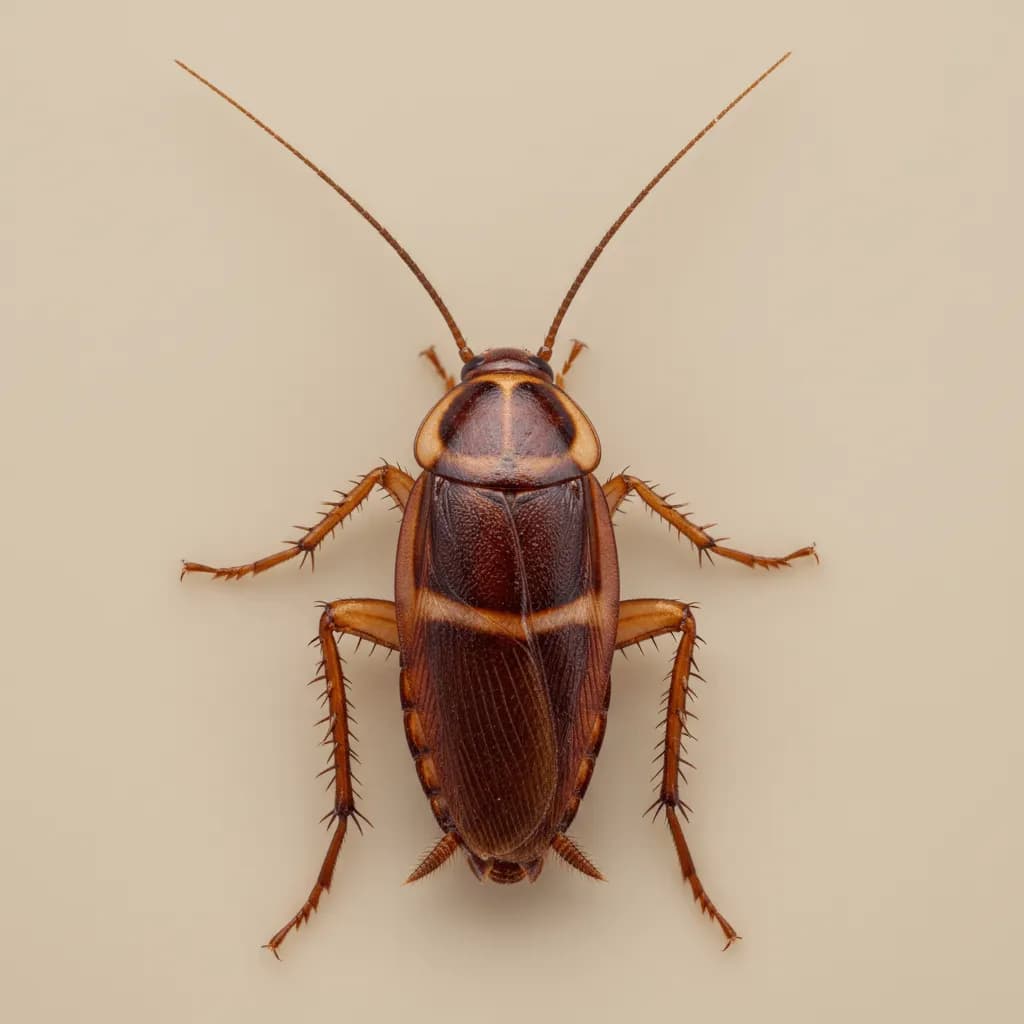
Brown-Banded Cockroach
Supella longipalpa
The Brown-Banded Cockroach is a small species that differs from the German cockroach by favoring warm, dry areas throughout the home rather than concentrating in kitchens and bathrooms.
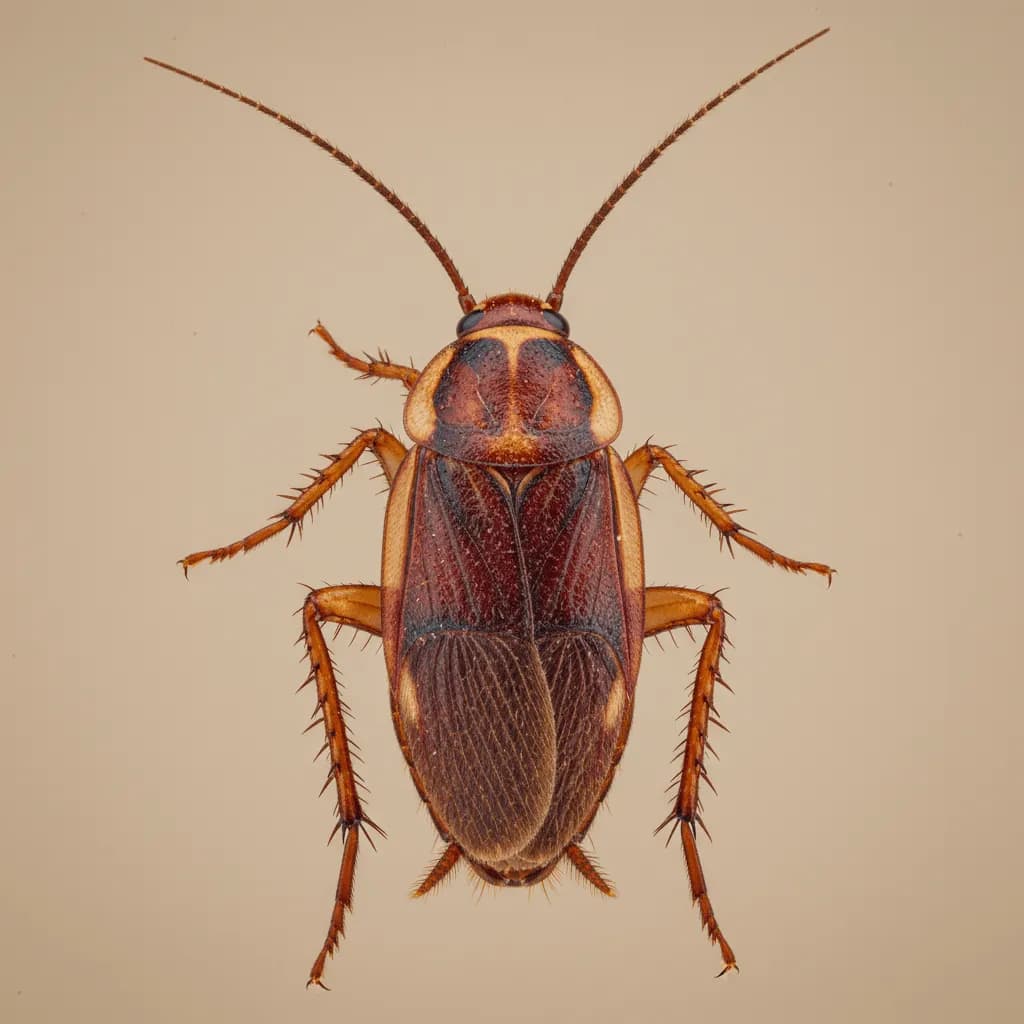
Pennsylvania Wood Cockroach
Parcoblatta pennsylvanica
The Pennsylvania Wood Cockroach is a native species that lives in forests under bark, in leaf litter, and in woodpiles.
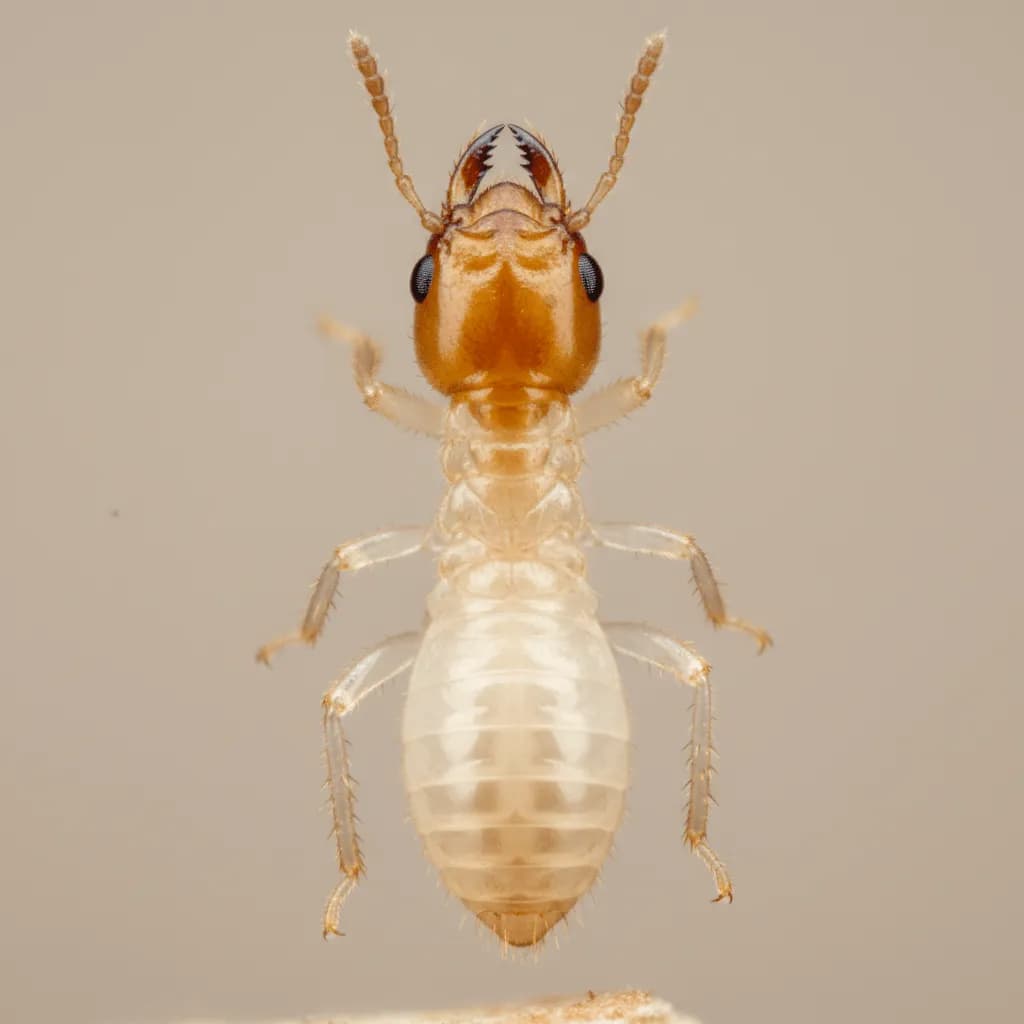
Eastern Subterranean Termite
Reticulitermes flavipes
The Eastern Subterranean Termite is the most common and economically important termite in the United States, responsible for billions of dollars in structural damage annually.
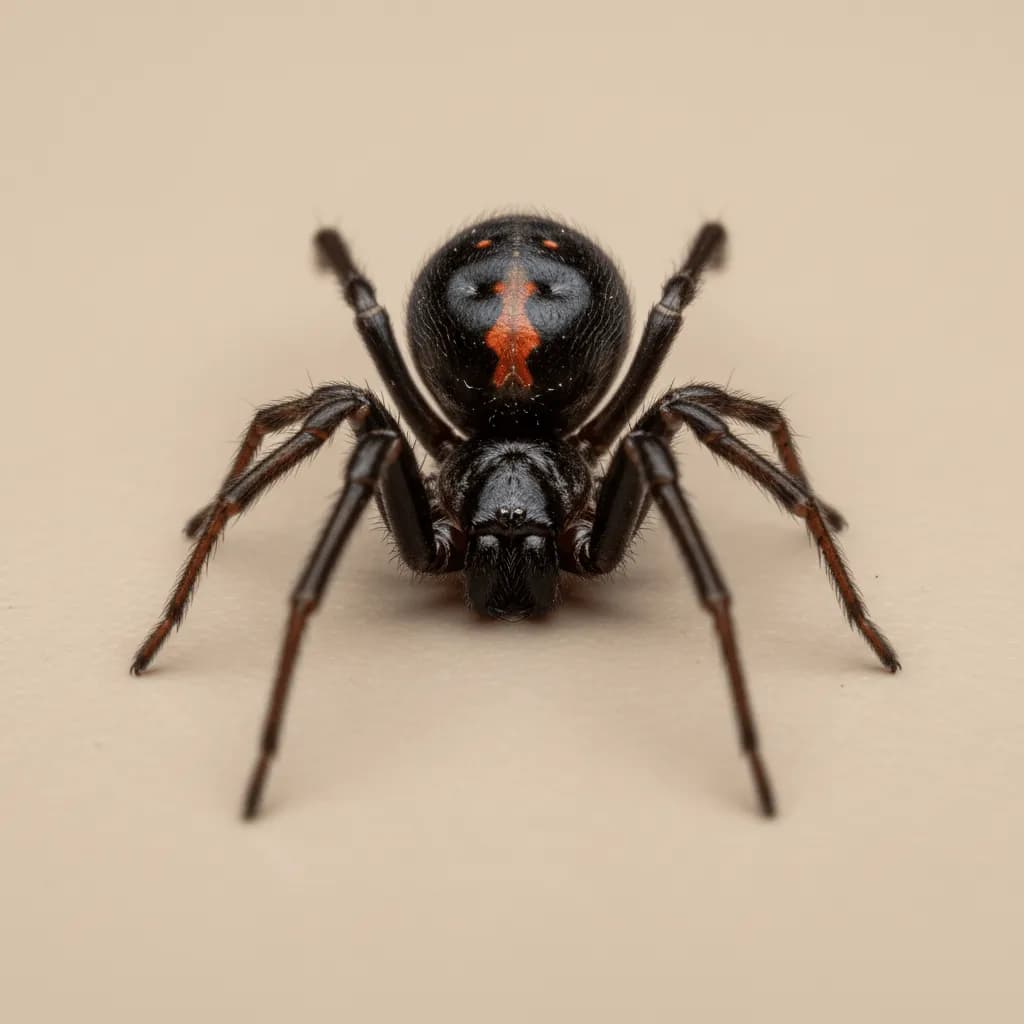
Northern Black Widow
Latrodectus variolus
The Northern Black Widow is found in the northeastern and midwestern United States, overlapping with the Southern species in the mid-Atlantic.
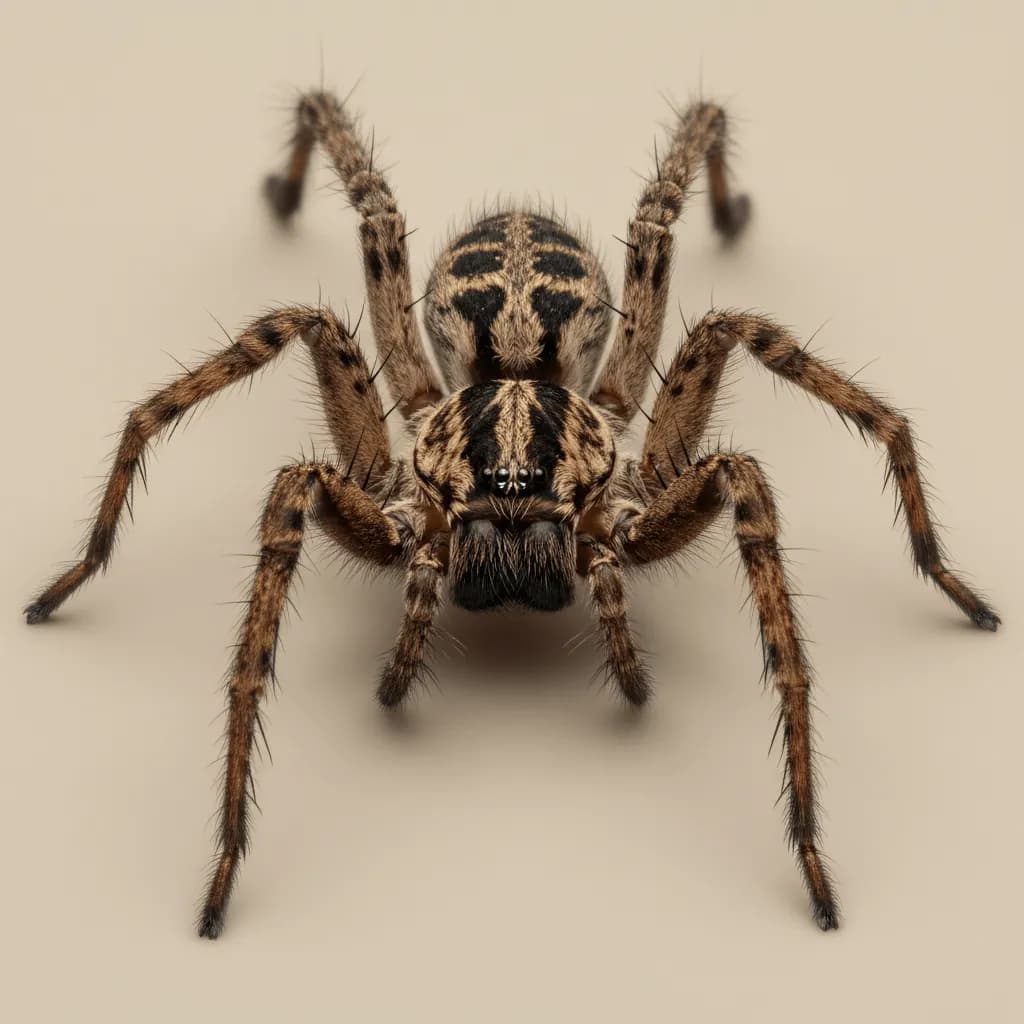
Carolina Wolf Spider
Hogna carolinensis
The Carolina Wolf Spider is the largest wolf spider in North America.
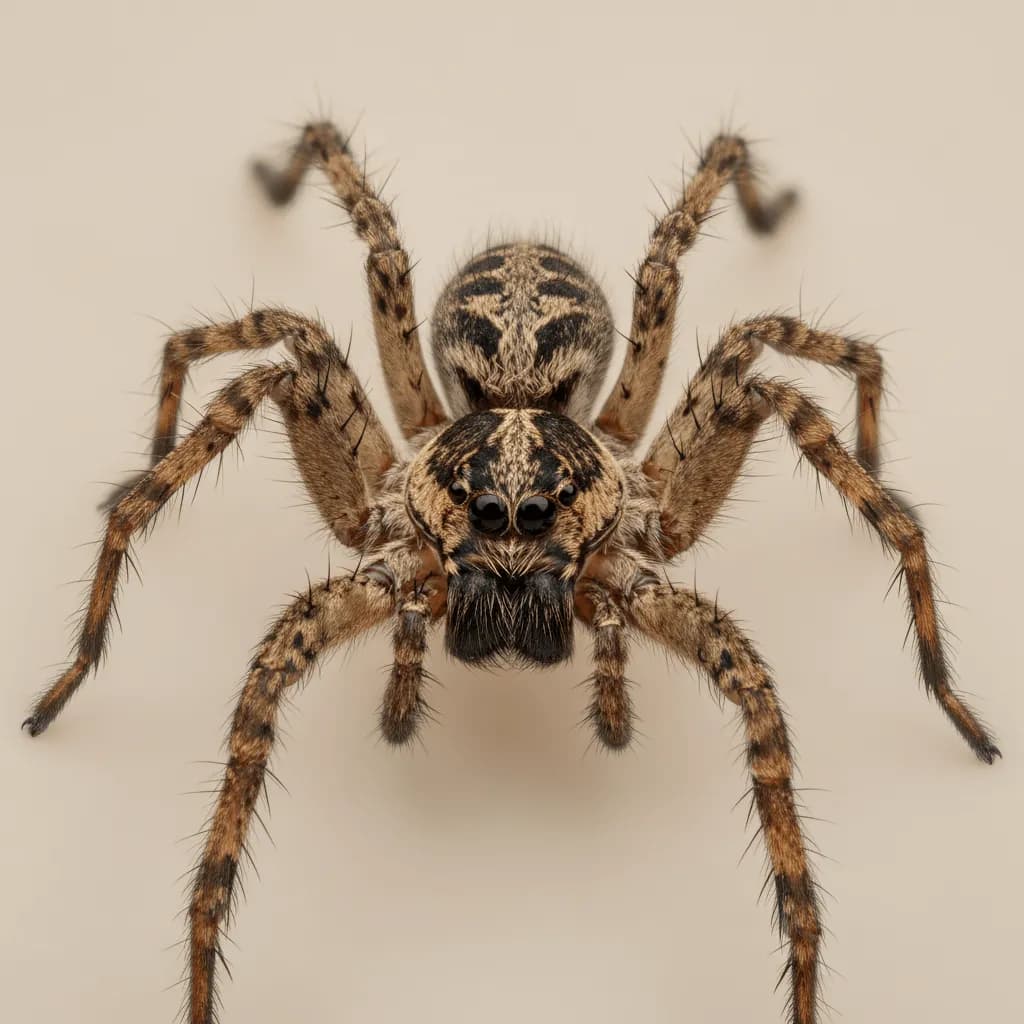
Rabid Wolf Spider
Rabidosa rabida
The Rabid Wolf Spider gets its name from its erratic, rapid movements that seem frenzied.
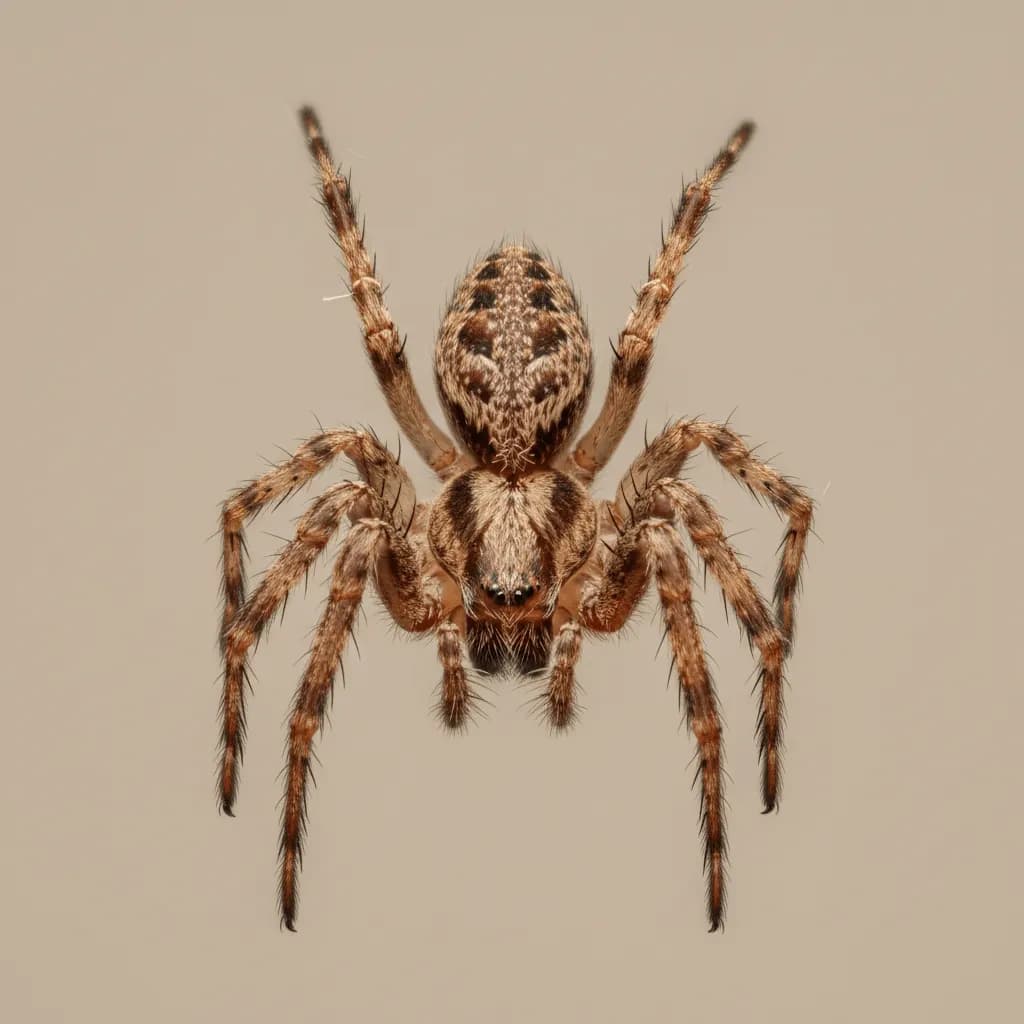
Common House Spider
Parasteatoda tepidariorum
The Common House Spider is responsible for most of the cobwebs found in homes.
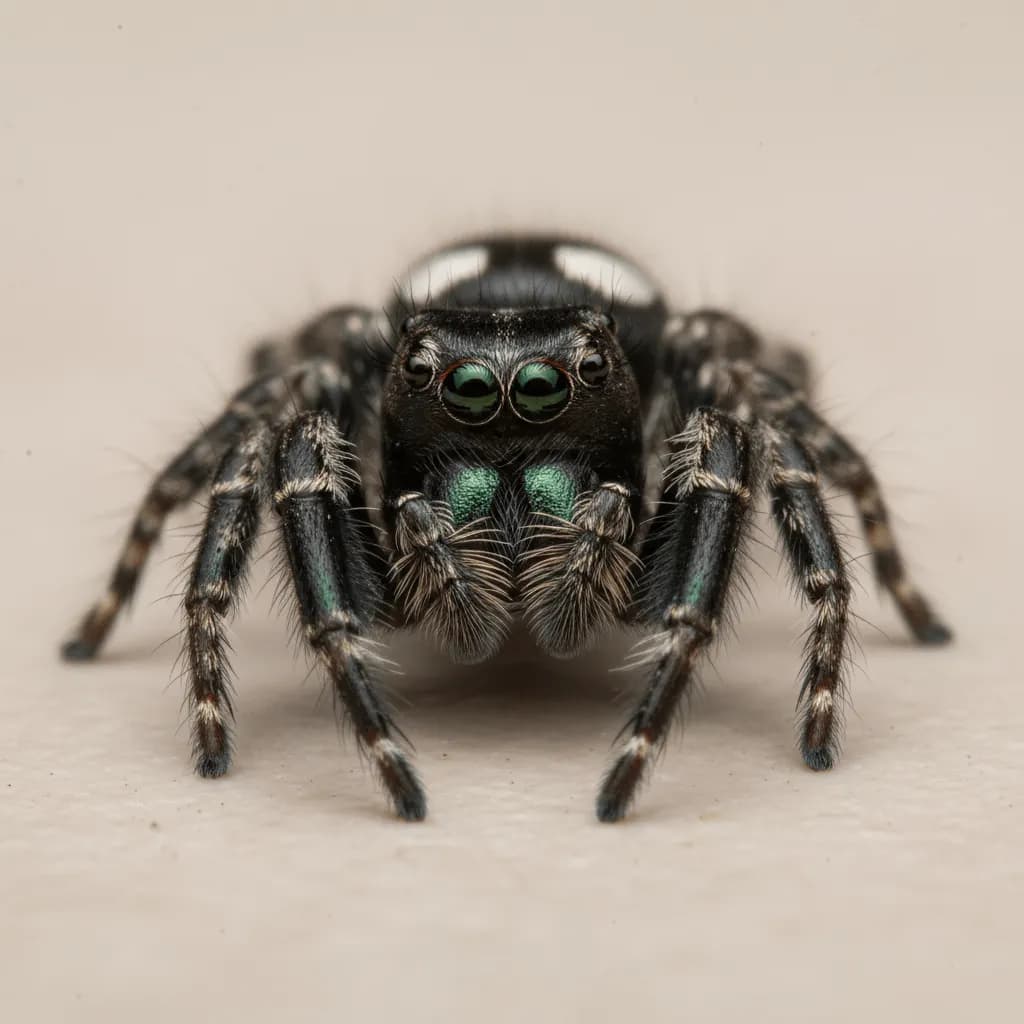
Bold Jumping Spider
Phidippus audax
The Bold Jumping Spider is a charismatic, active hunter recognized by its large forward-facing eyes and distinctive jumping behavior.
Need Help With Pests in New Jersey?
If you're seeing signs of pests in New Jersey in or around your home, professional treatment is the fastest way to stop the problem. Lotus Pest Control offers free inspections to identify the issue and recommend the right solution.