
Common Pests in Nebraska
Nebraska falls within the Great Plains region, where semi-arid continental climate with harsh, windy winters, hot summers, and dramatic temperature swings; precipitation is moderate and concentrated in spring and early summer. Below are the pests most commonly encountered by homeowners in Nebraska.
Seasonal Pest Activity in Nebraska
spring
Pavement ants and field ants swarm from cracks in foundations and sidewalks. Termite swarmers emerge in southern portions of the region. Overwintering cluster flies and lady beetles exit wall voids. Voles and moles cause visible lawn damage as snow melts.
summer
Yellowjackets, paper wasps, and cicada killers are active around yards and structures. Mosquitoes breed in irrigation runoff, stock tanks, and low-lying areas after storms. Brown recluse spiders are found in basements, closets, and stored boxes. Pantry pests infest grain storage and feed supplies.
fall
Boxelder bugs and multicolored Asian lady beetles invade homes in enormous numbers. Field mice flood into structures following crop harvest. Stink bugs seek overwintering sites in wall voids and attics. Spiders become conspicuous indoors as they mature and wander.
winter
Deer mice and house mice are the primary winter pest, with hantavirus risk in rural outbuildings. German cockroaches persist in heated commercial kitchens. Stored product pests infest grain bins and pantries. Overwintering lady beetles and cluster flies emerge during brief warm spells.
Pests Common in Nebraska (52)
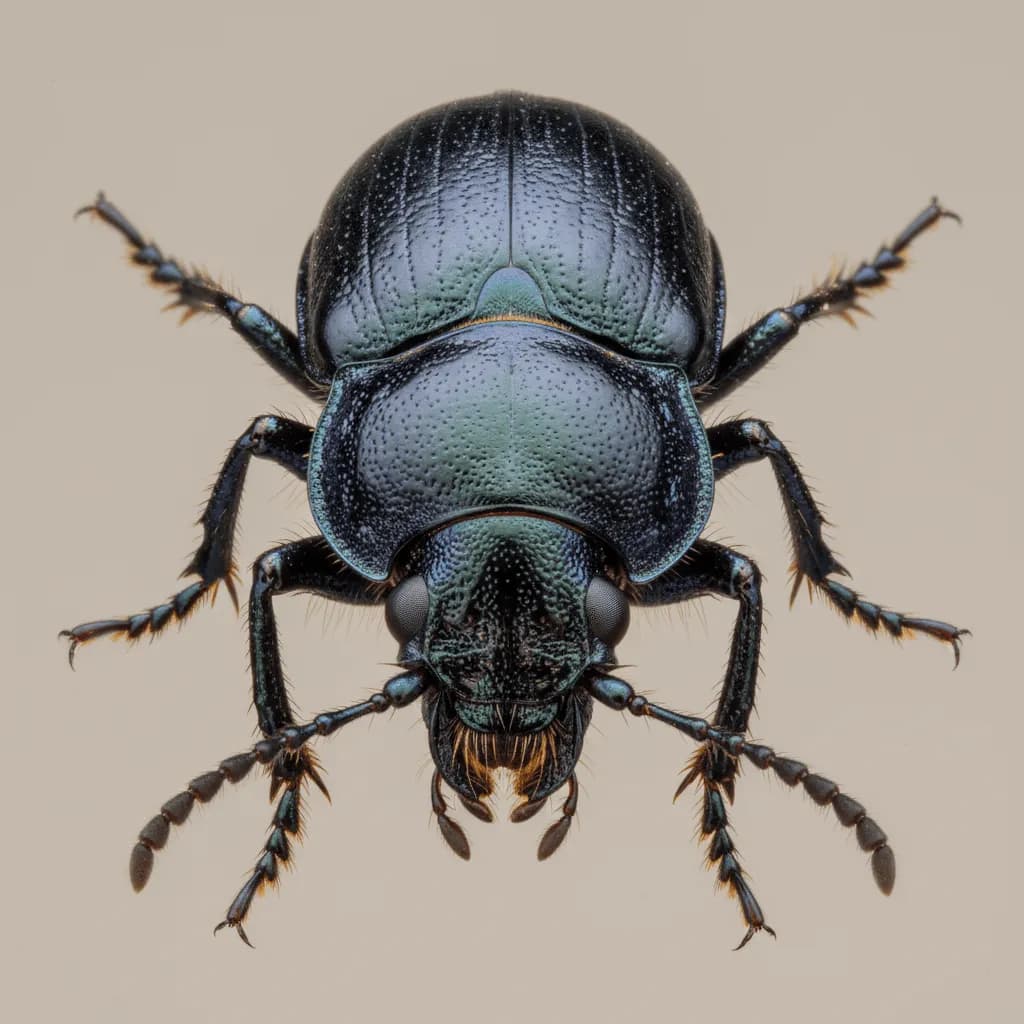
Ground Beetle
Harpalus pensylvanicus
Ground beetles are a large family of fast-running, nocturnal predatory beetles.
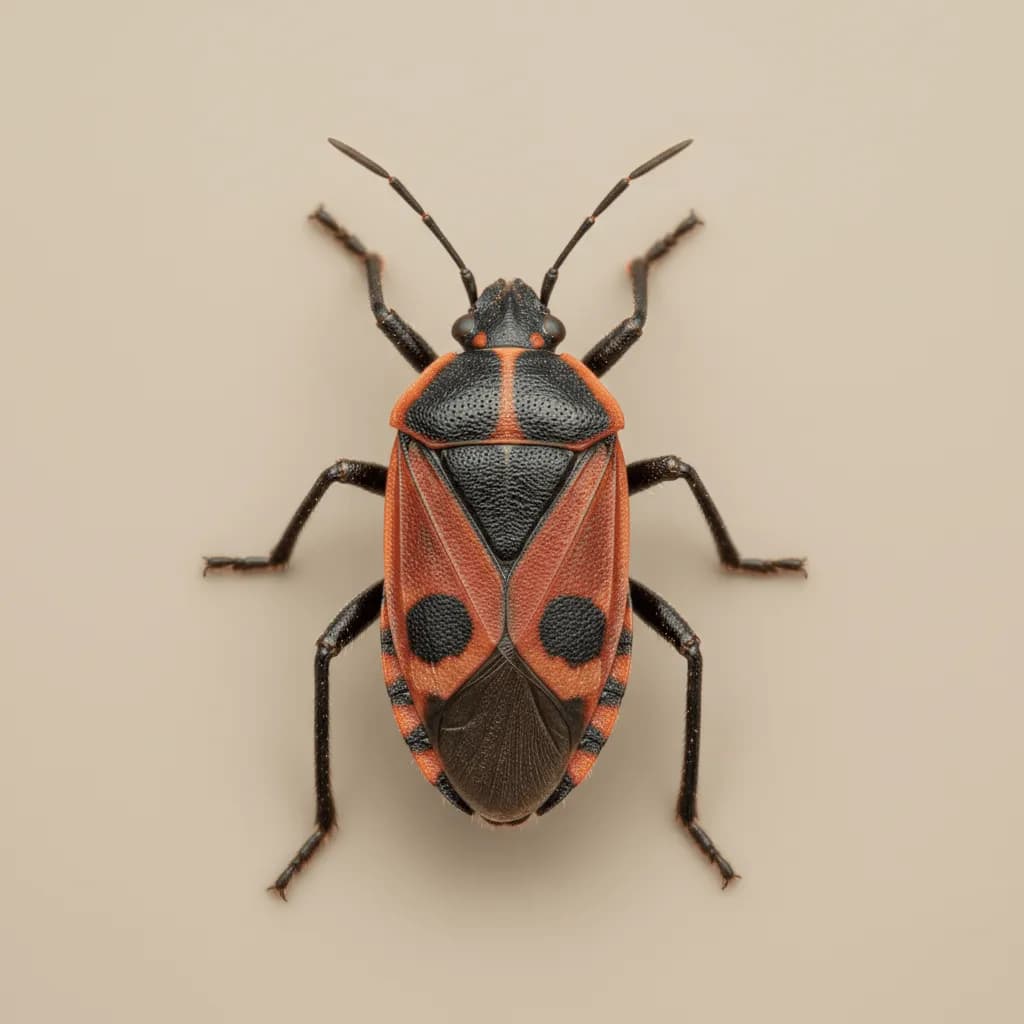
Boxelder Bug
Boisea trivittata
Boxelder Bugs are named for their primary host, the boxelder tree, though they also feed on maples and ashes.
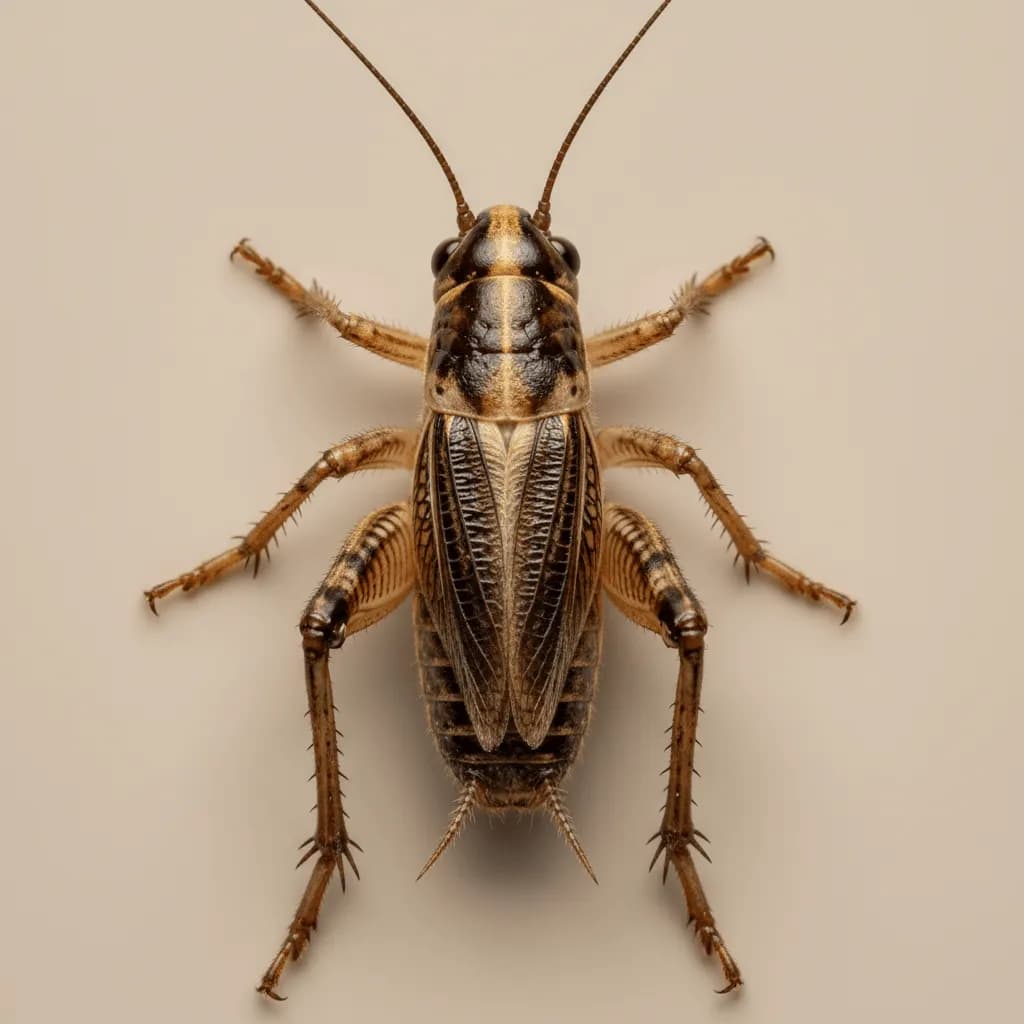
Cricket
Acheta domesticus
The House Cricket is one of the most familiar household invaders, known for the persistent chirping of males seeking mates.
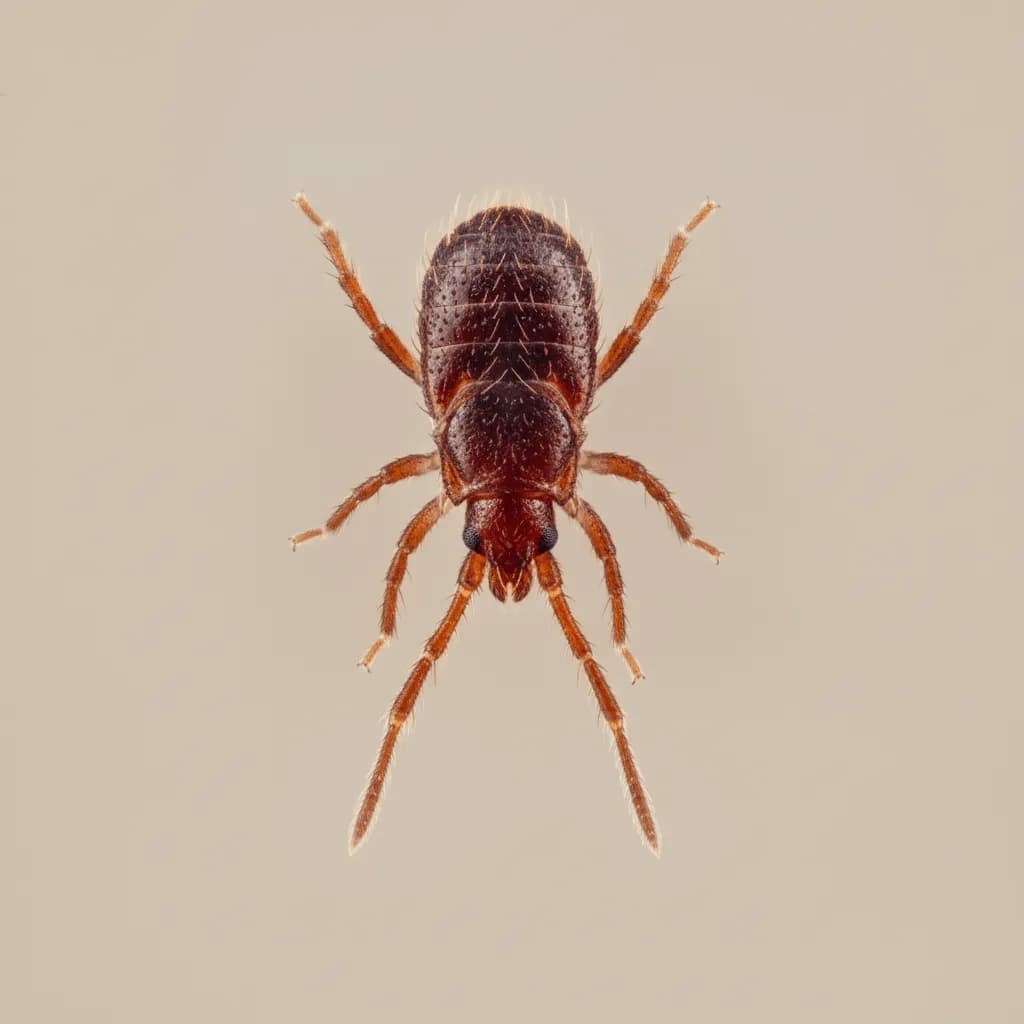
Clover Mite
Bryobia praetiosa
Clover mites are extremely small plant-feeding mites that invade homes in enormous numbers during spring and fall.
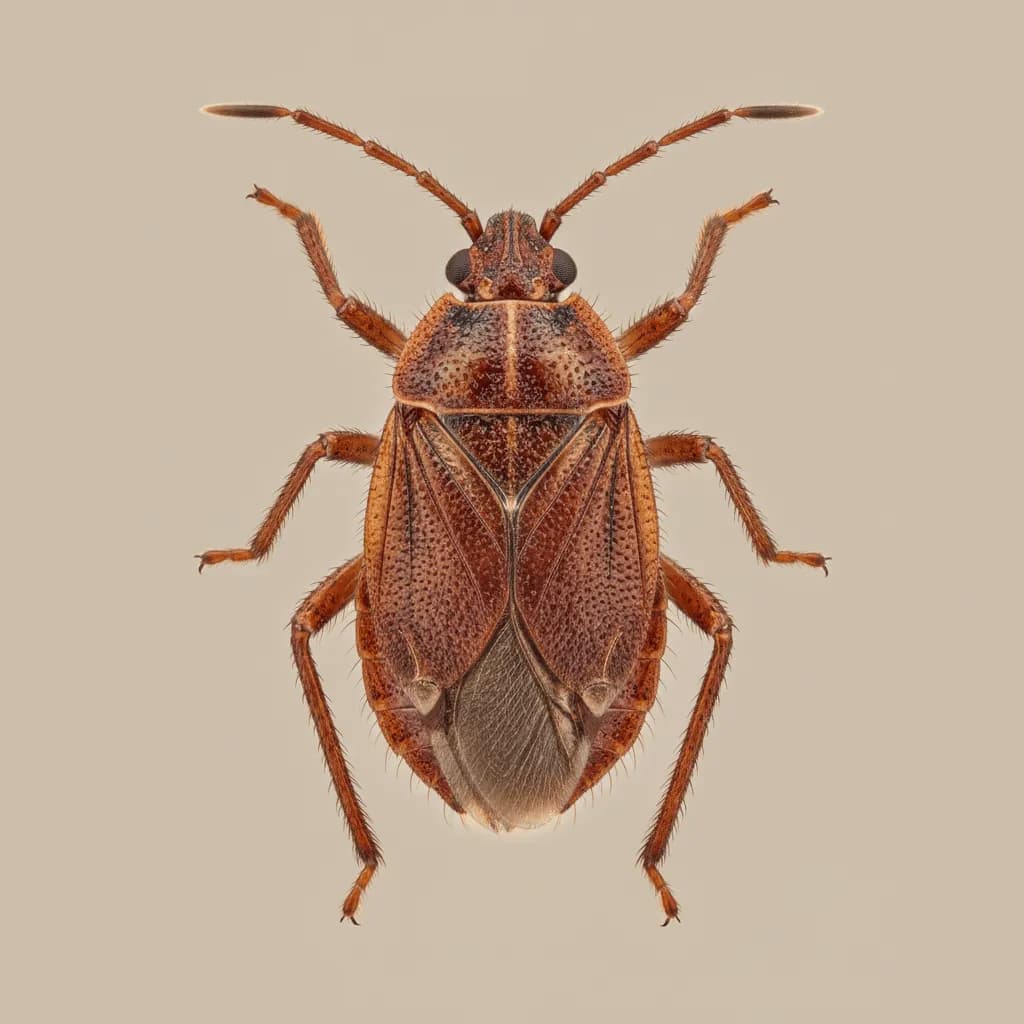
Swallow Bug
Oeciacus vicarius
The Swallow Bug is a blood-feeding parasite of cliff swallows and barn swallows.
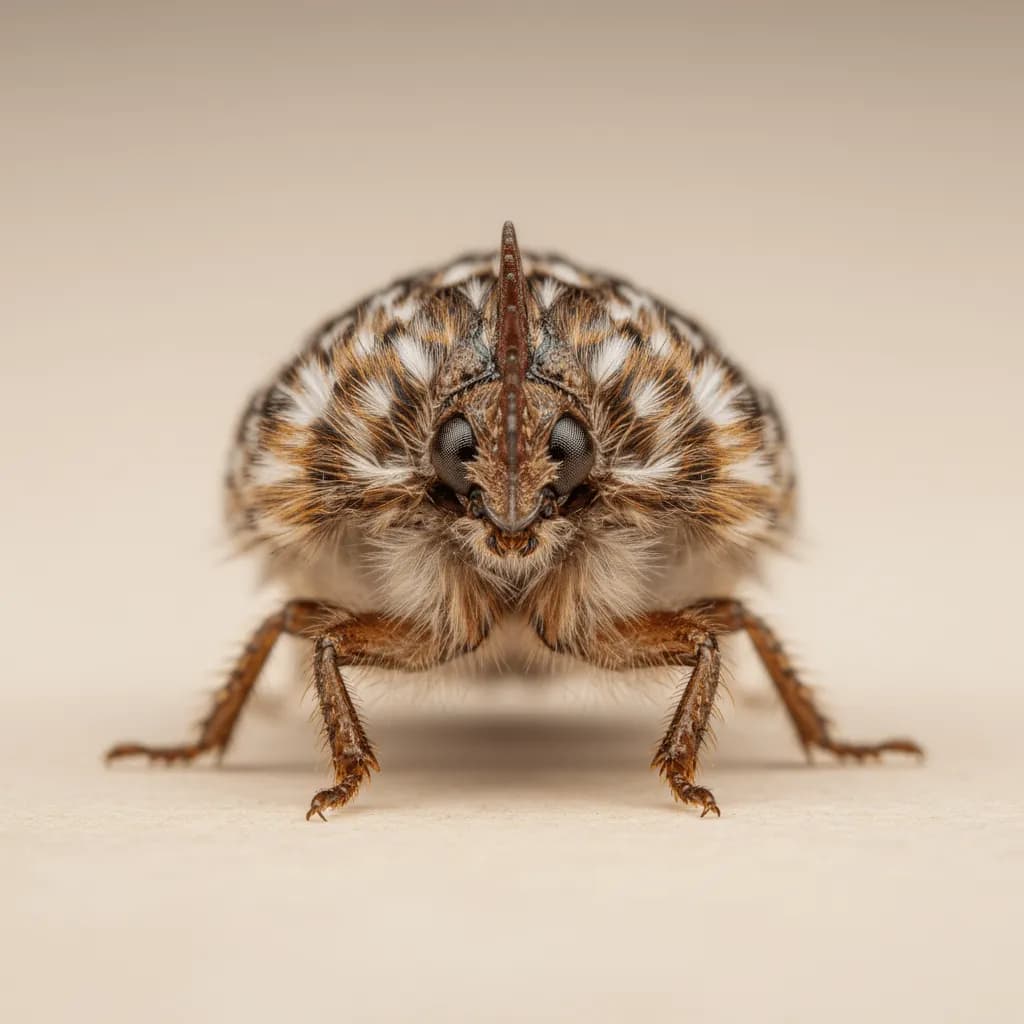
Poultry Bug
Haematosiphon inodorus
The Poultry Bug is a blood-feeding parasite of chickens, turkeys, and other domestic and wild birds.
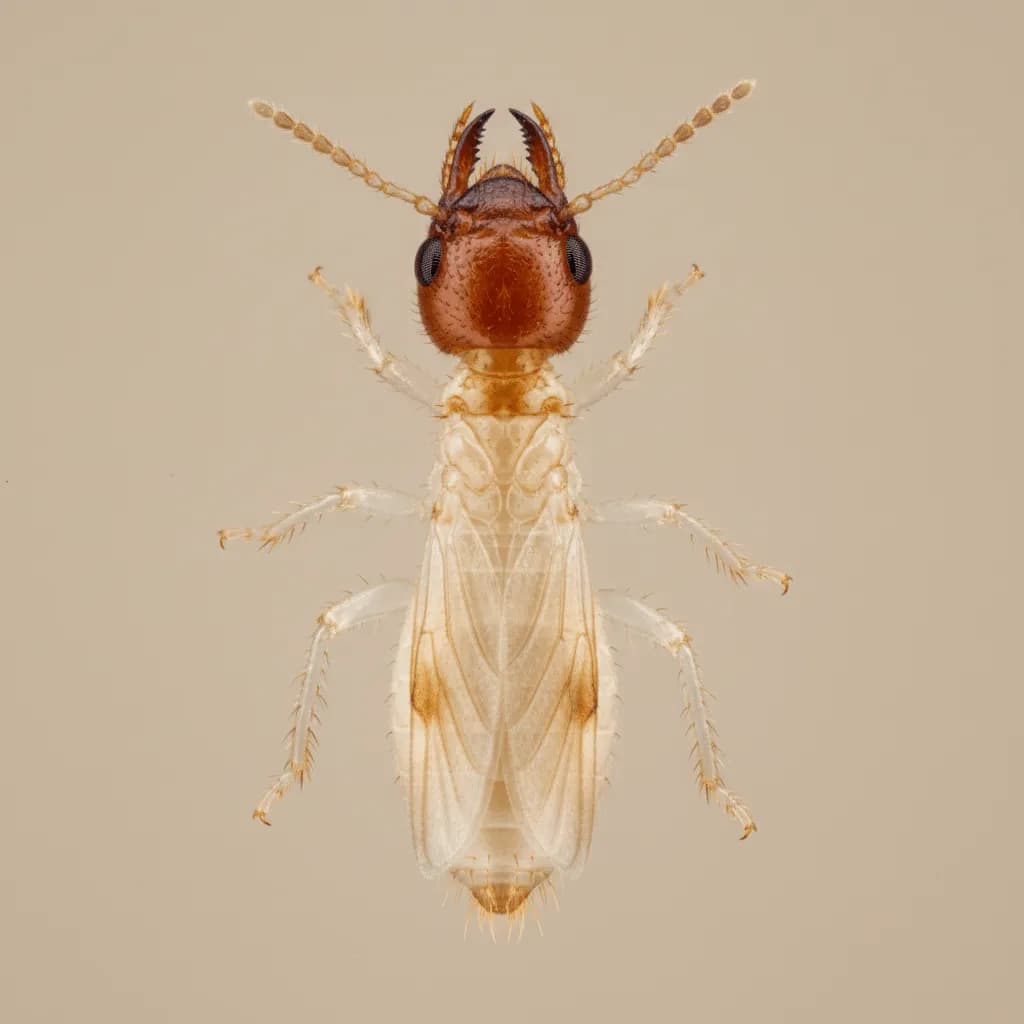
Arid-Land Subterranean Termite
Reticulitermes tibialis
The Arid-Land Subterranean Termite is the most widely distributed subterranean termite in the western United States.
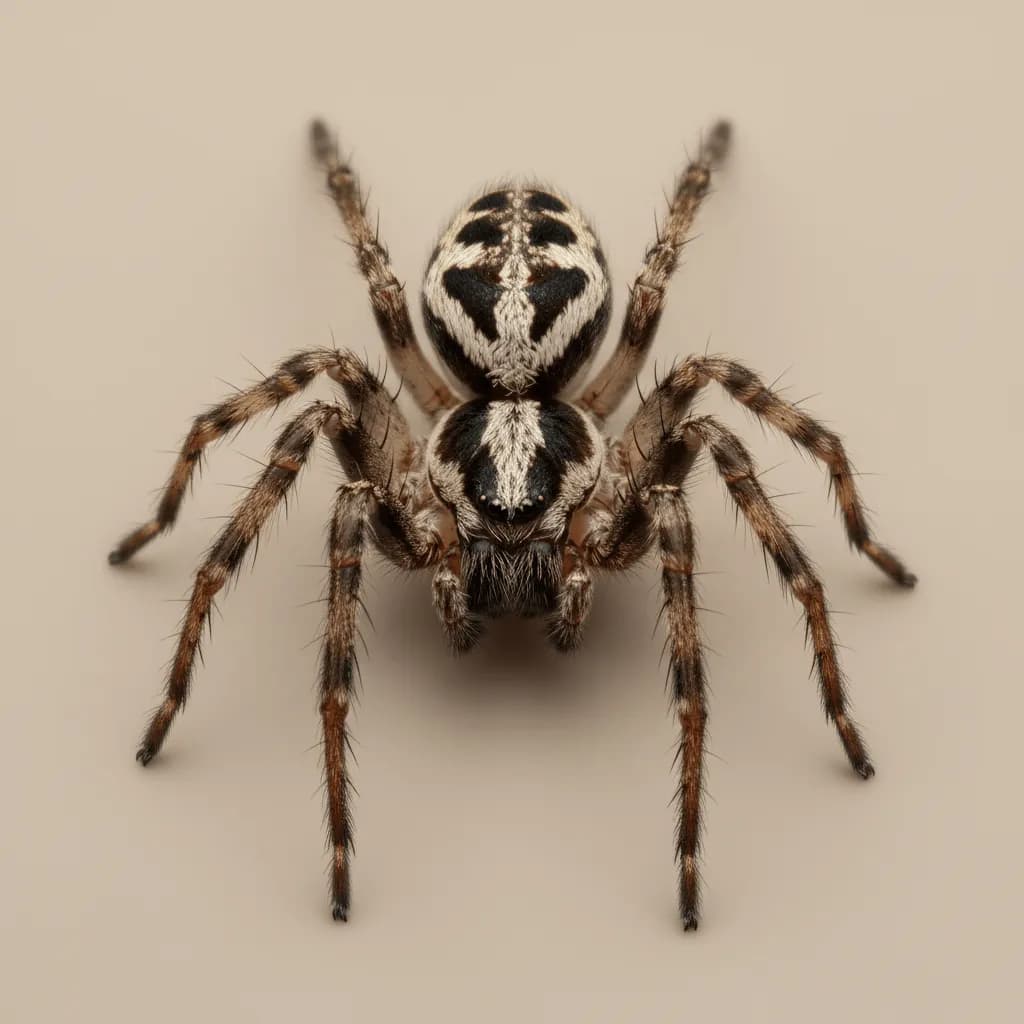
Parson Spider
Herpyllus ecclesiasticus
The Parson Spider is named for the distinctive white marking on its abdomen that resembles the cravat worn by clergy in the 18th century.
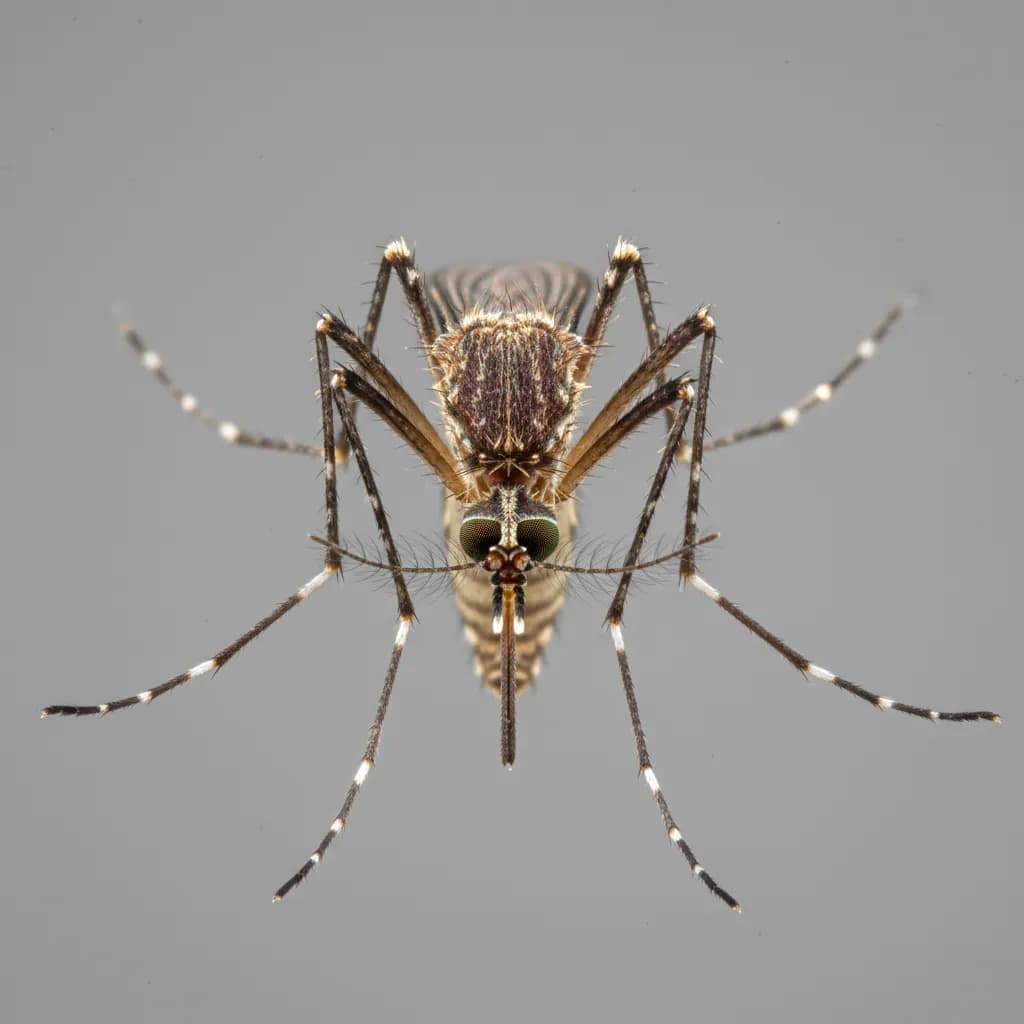
Western Encephalitis Mosquito
Culex tarsalis
The Western Encephalitis Mosquito is the most medically important mosquito species in the western United States.
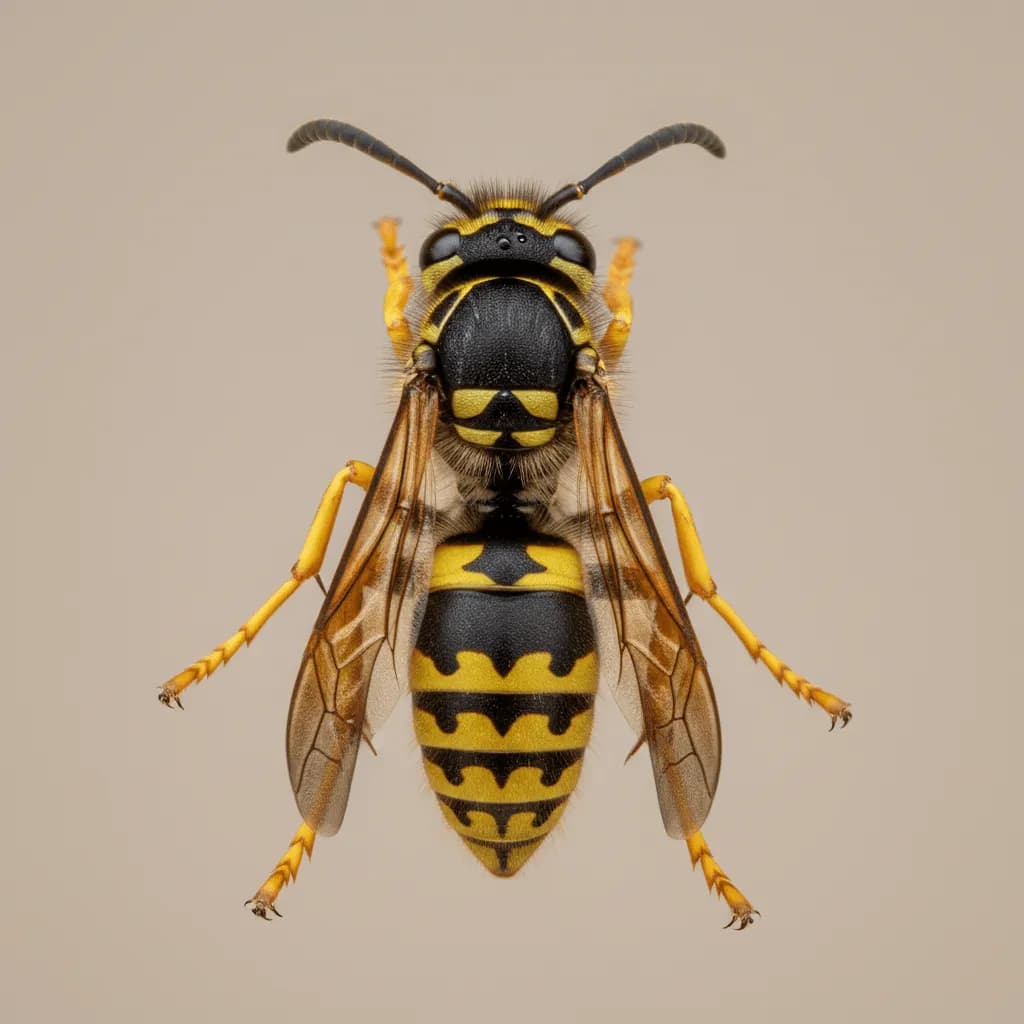
Western Yellowjacket
Vespula pensylvanica
The Western Yellowjacket is the dominant yellowjacket species throughout the western United States and is responsible for the vast majority of stinging incidents in the region.
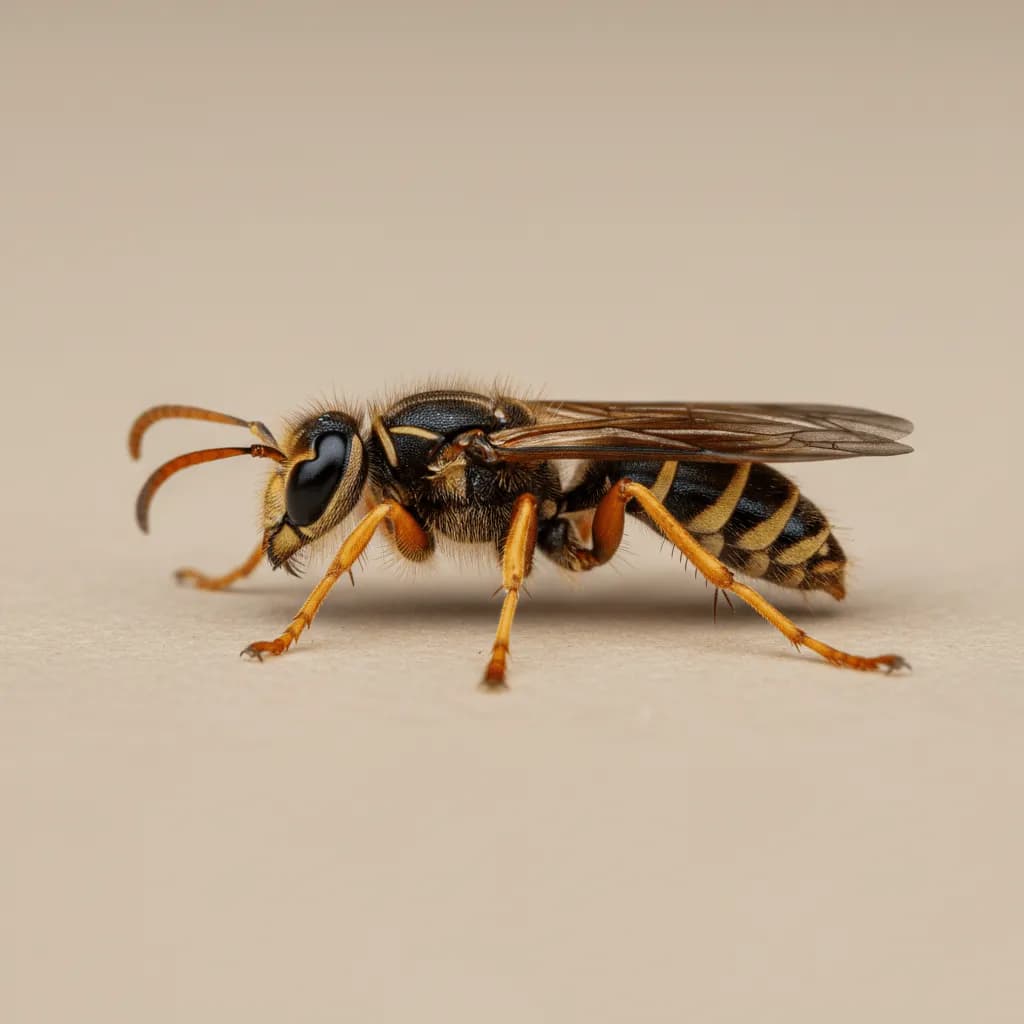
Great Golden Digger Wasp
Sphex ichneumoneus
The Great Golden Digger Wasp is a large, strikingly colored solitary wasp that nests in the ground.
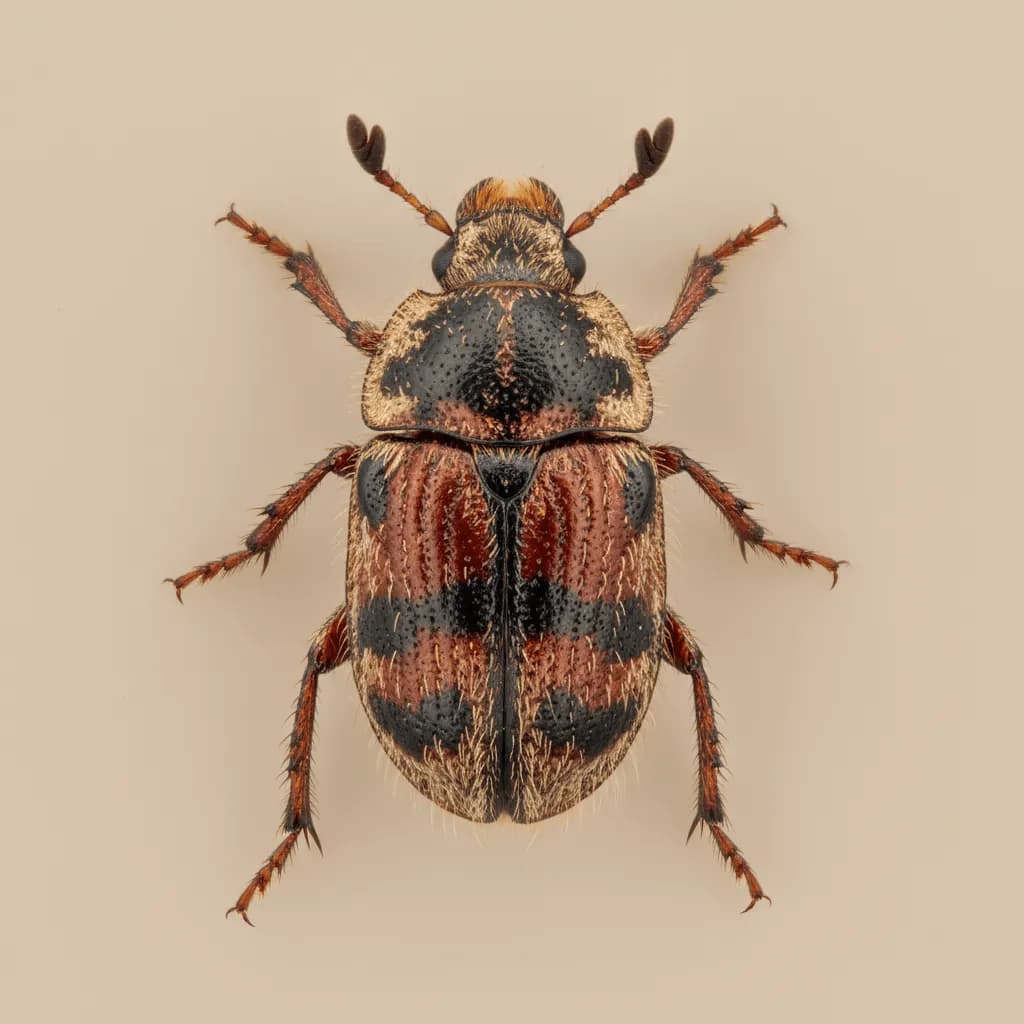
Warehouse Beetle
Trogoderma variabile
The Warehouse Beetle is one of the most common and economically important stored product pests in the United States.
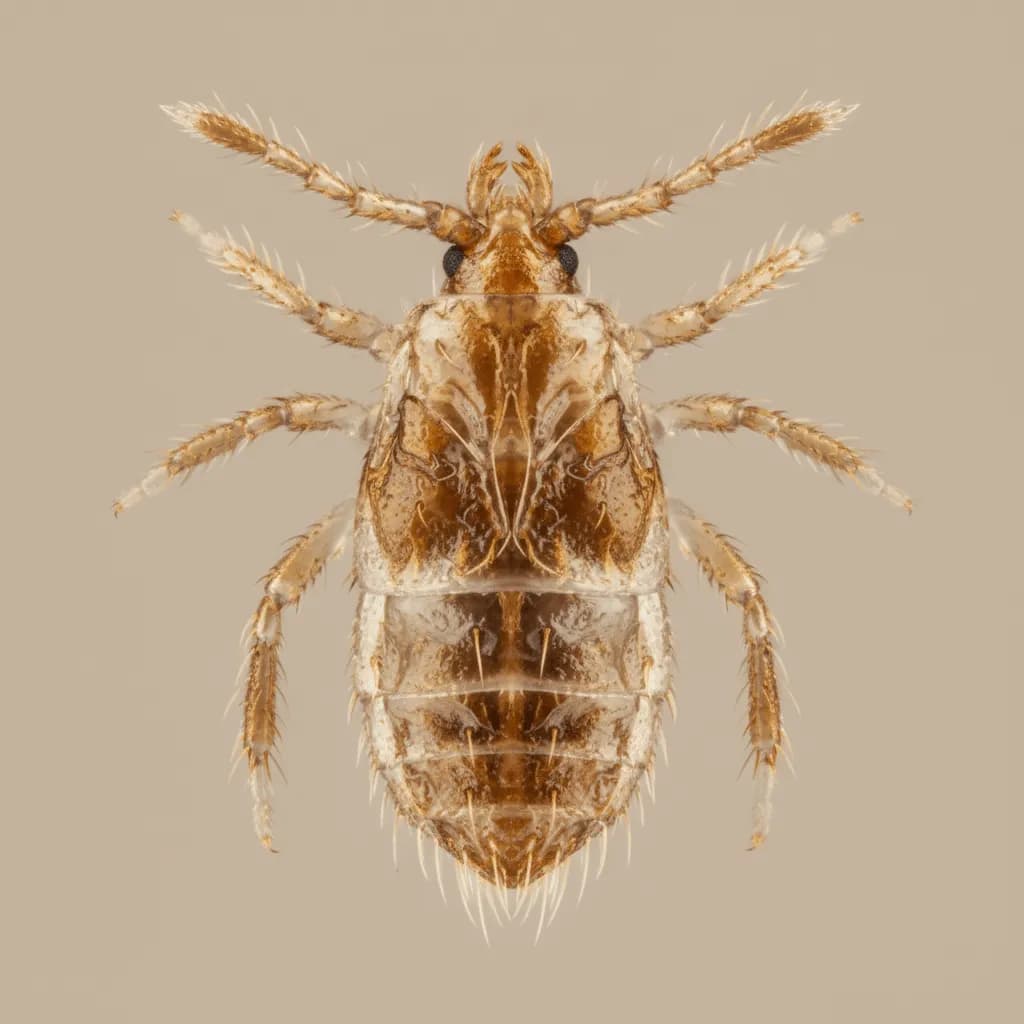
Grain Mite
Acarus siro
The Grain Mite is a microscopic stored product pest that thrives in high-humidity conditions.
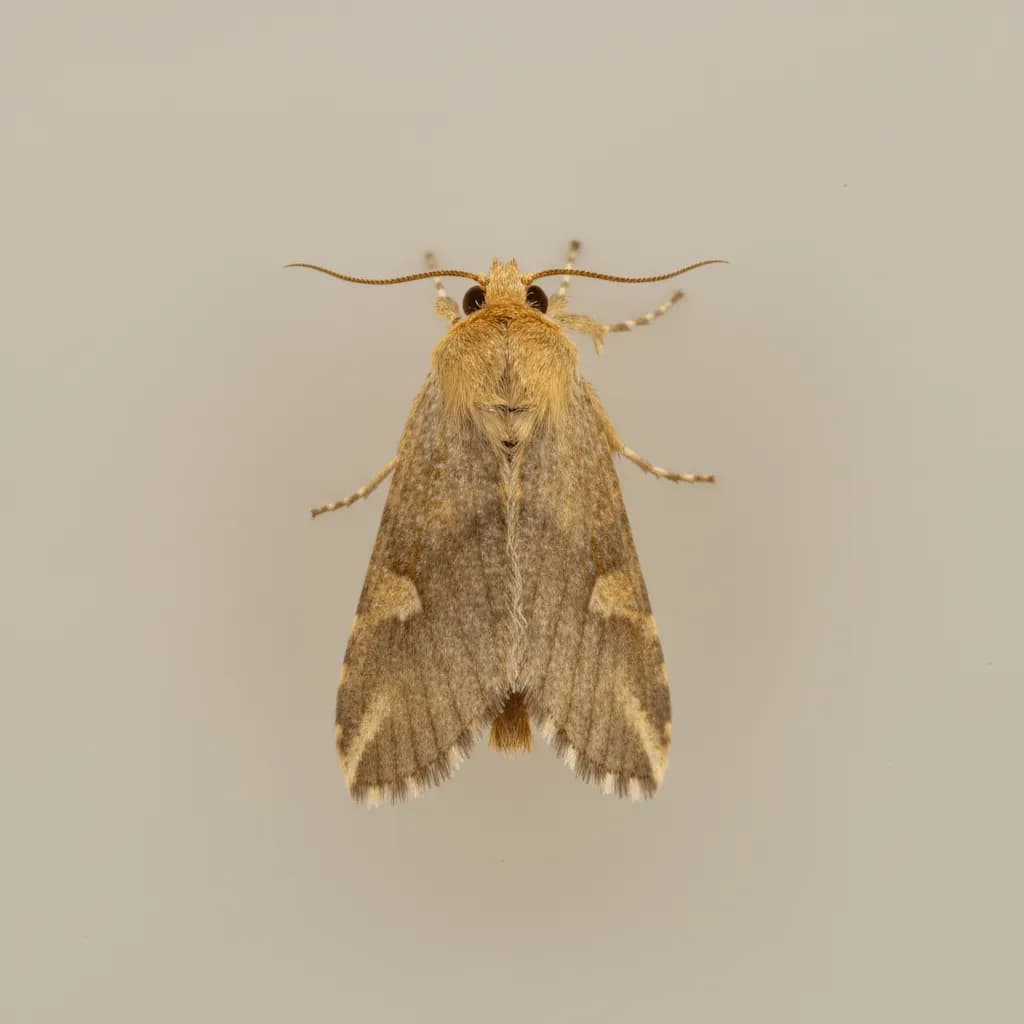
Angoumois Grain Moth
Sitotroga cerealella
The Angoumois Grain Moth is a significant pest of whole stored grain, particularly corn, wheat, and barley.
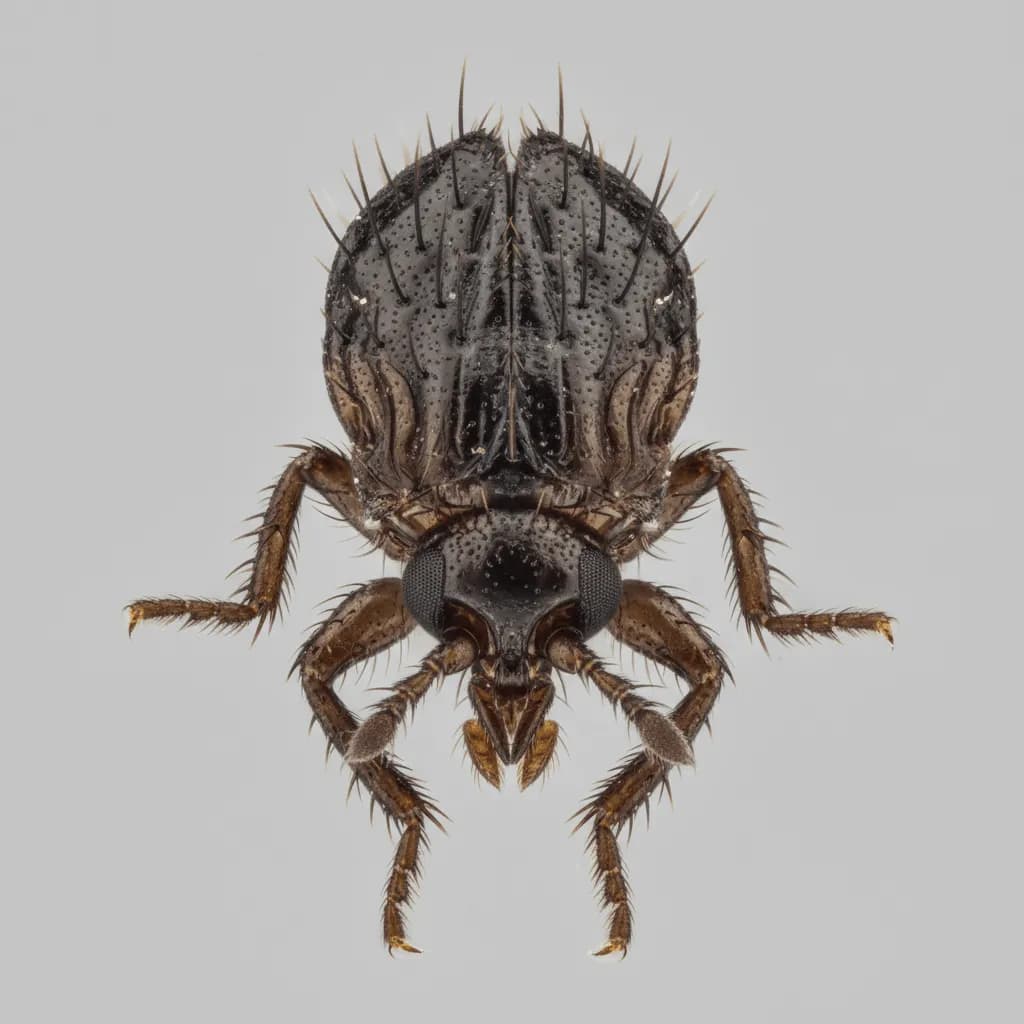
Human Flea
Pulex irritans
The Human Flea was once the dominant flea species found on people and is historically associated with plague transmission alongside the oriental rat flea.
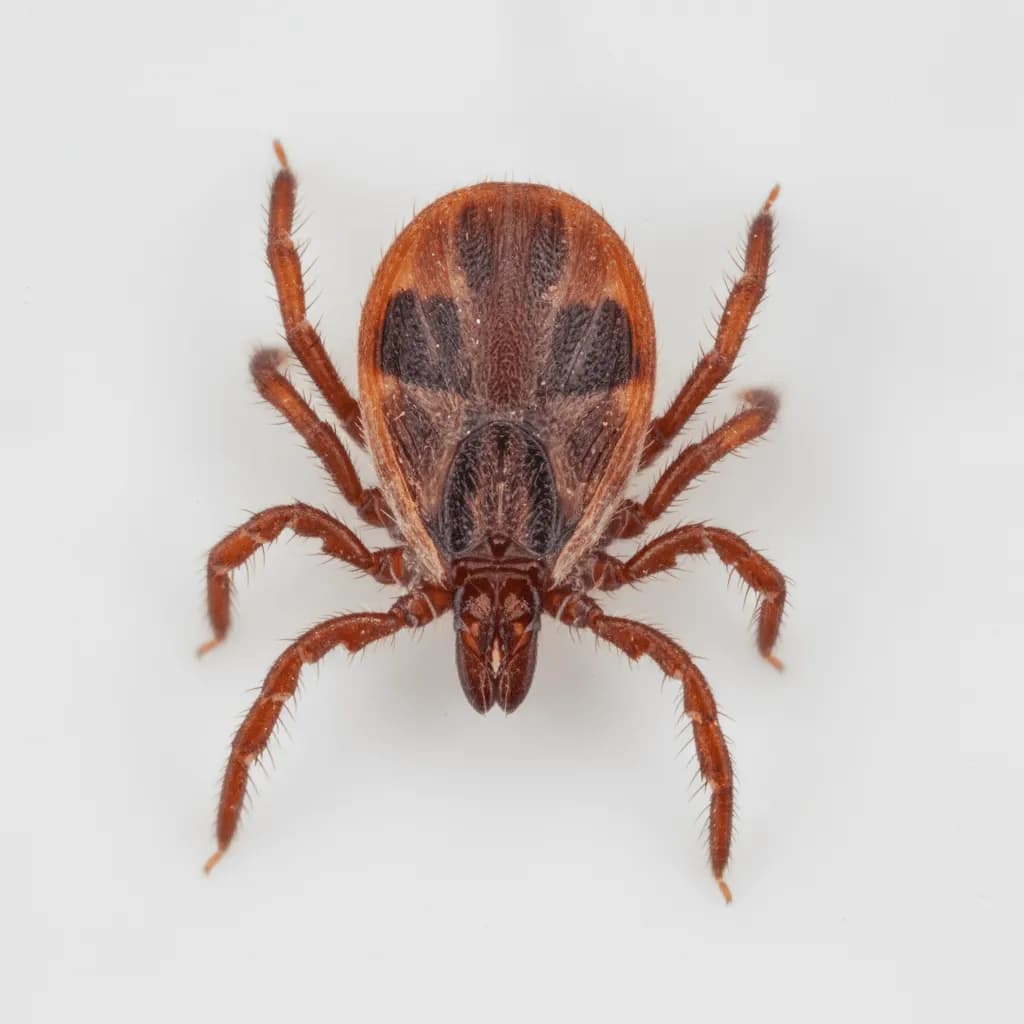
American Dog Tick
Dermacentor variabilis
The American Dog Tick is one of the most frequently encountered ticks in the eastern two-thirds of the United States.
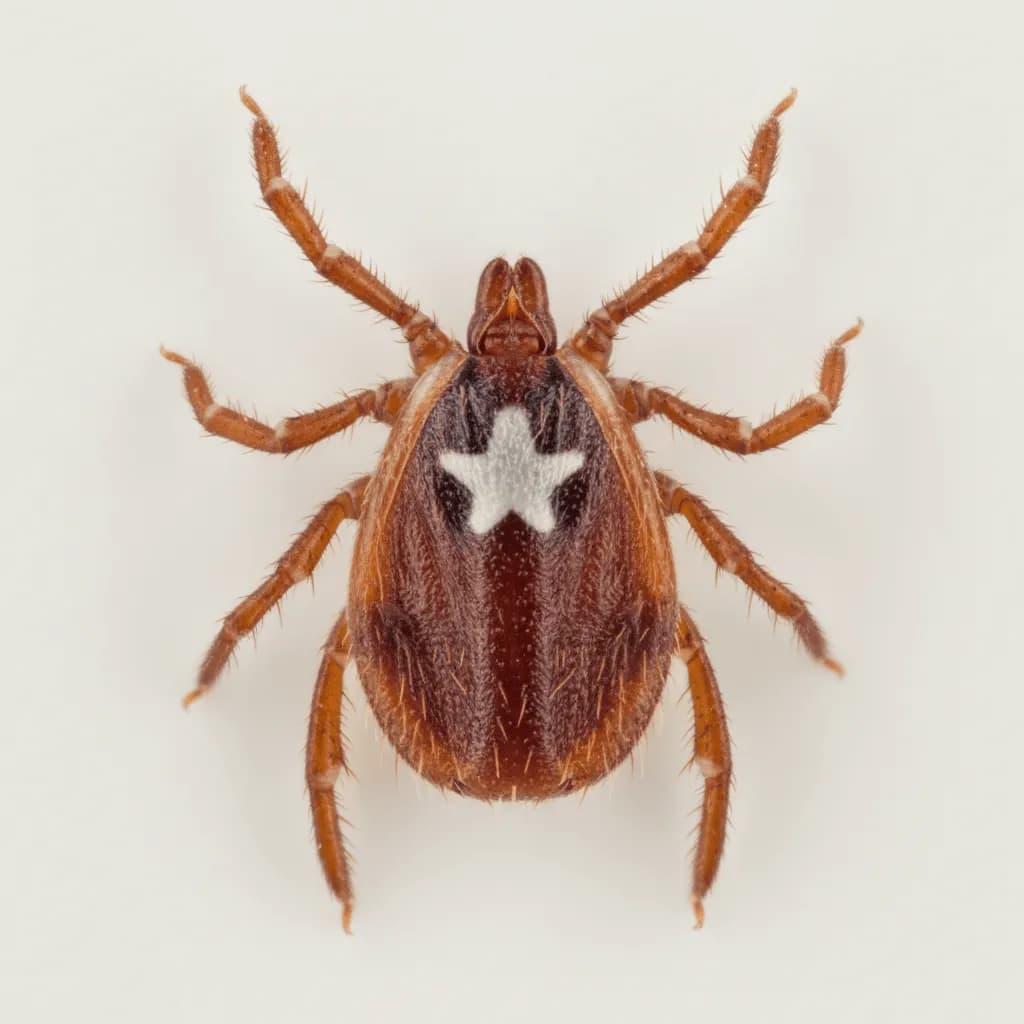
Lone Star Tick
Amblyomma americanum
The Lone Star Tick is an aggressive, three-host tick found throughout the southeastern and eastern United States.
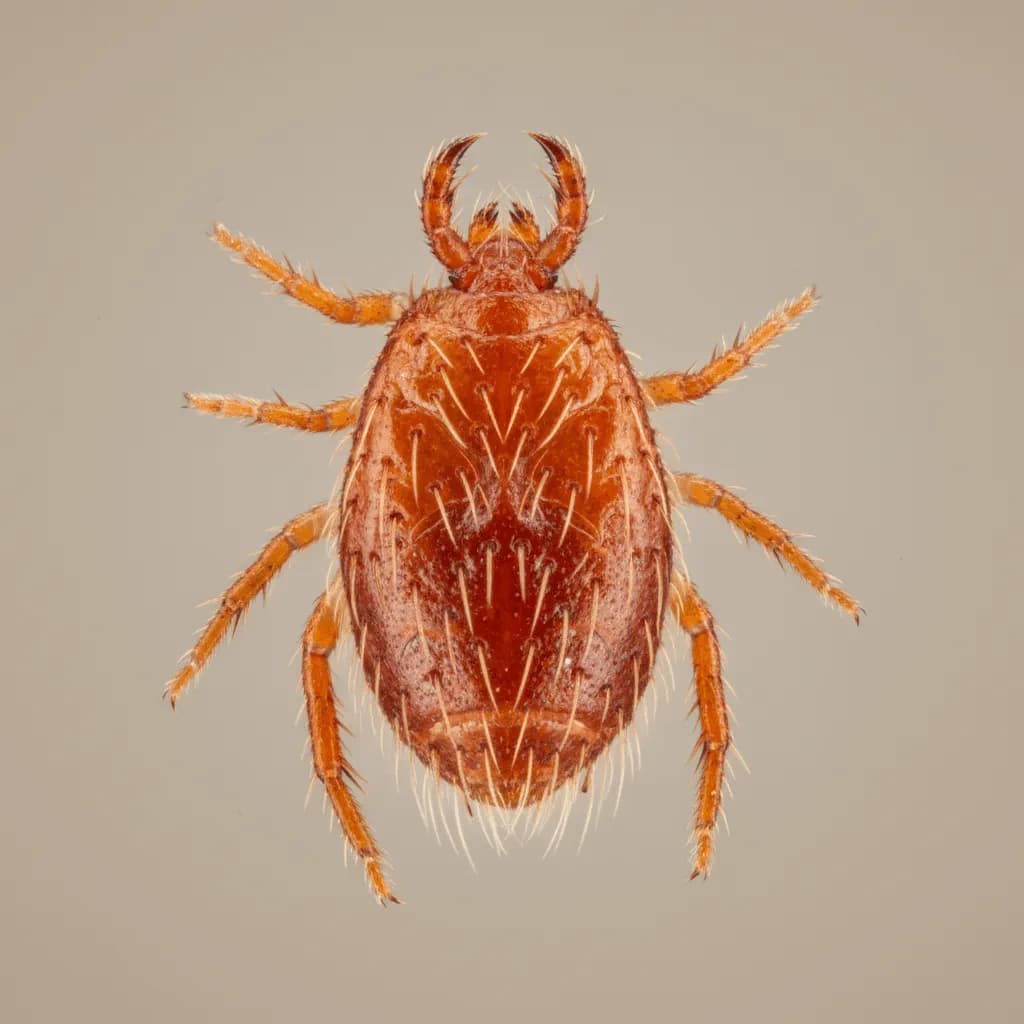
Chigger
Trombicula alfreddugesi
Chiggers are the larval stage of trombiculid mites and are among the most common causes of intensely itchy bites in the southeastern and central United States.
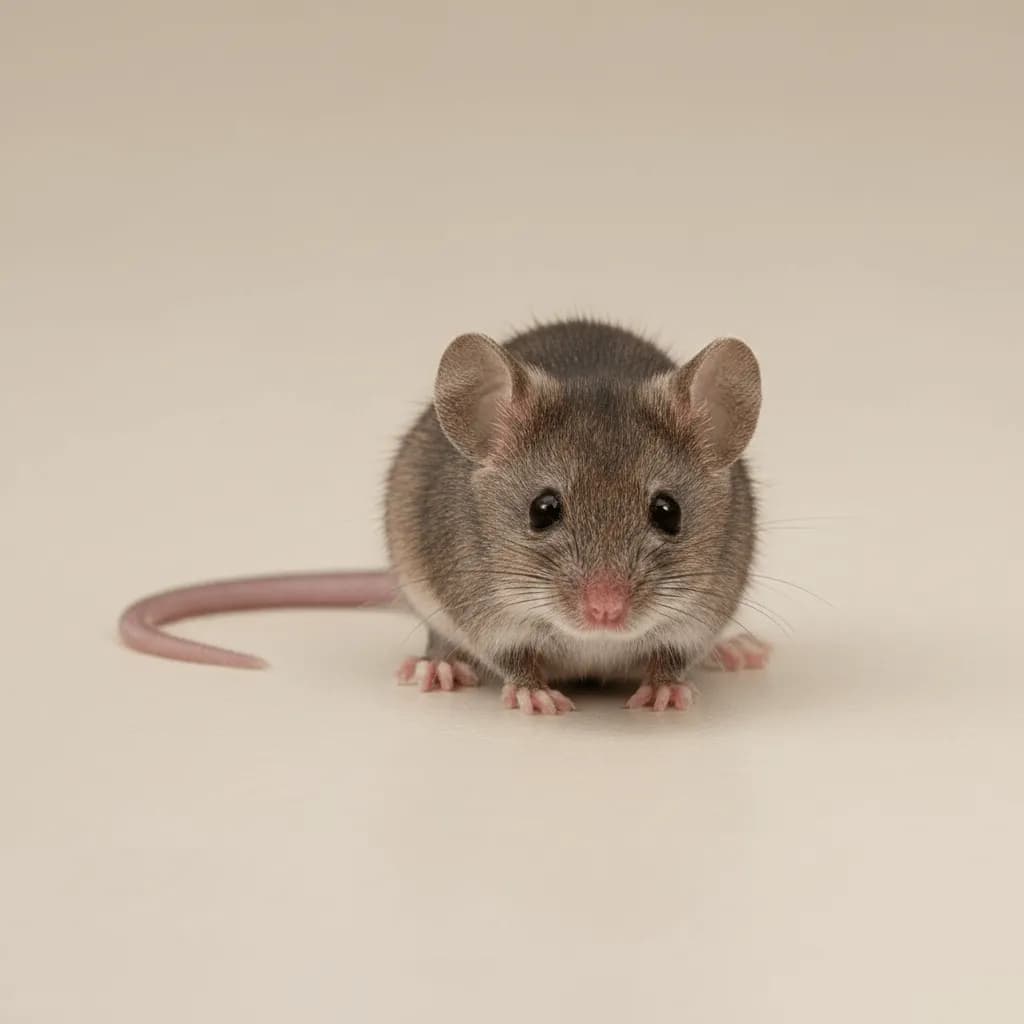
House Mouse
Mus musculus
The House Mouse is the most common commensal rodent in the world and the leading mammalian pest of homes and commercial buildings.
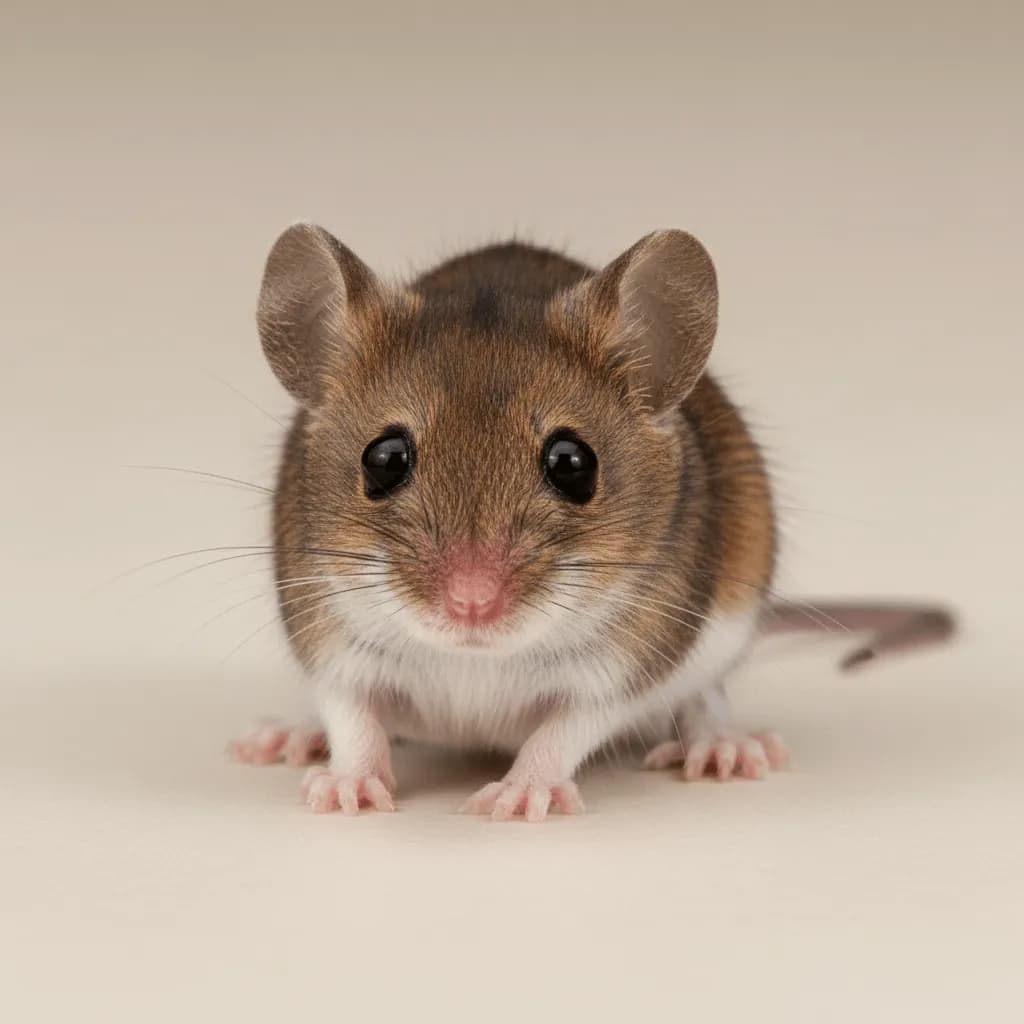
Deer Mouse
Peromyscus maniculatus
The Deer Mouse is the most abundant mammal in North America and the primary reservoir of Sin Nombre hantavirus, which causes hantavirus pulmonary syndrome (HPS), a potentially fatal respiratory disease.
Need Help With Pests in Nebraska?
If you're seeing signs of pests in Nebraska in or around your home, professional treatment is the fastest way to stop the problem. Lotus Pest Control offers free inspections to identify the issue and recommend the right solution.