
Common Pests in Texas
Texas falls within the Gulf Coast region, where subtropical with very high humidity, mild winters that rarely freeze, and long hot summers; annual rainfall often exceeds 60 inches, with tropical storm activity from june through november. Below are the pests most commonly encountered by homeowners in Texas.
Seasonal Pest Activity in Texas
spring
Formosan subterranean termites swarm in massive clouds around lights in May and June. Fire ant populations explode after spring rains, creating dense mound clusters in lawns. Mosquito season kicks off early as standing water warms. Ghost ants and white-footed ants trail into kitchens and bathrooms.
summer
Mosquito populations reach extreme levels, particularly Aedes and Culex species capable of transmitting dengue, Zika, and West Nile virus. Smokybrown and American cockroaches are ubiquitous. Fleas thrive in the heat and humidity on pets and in yards. Tropical storms and hurricanes displace pest colonies and flood structures, triggering severe infestations.
fall
Pest pressure remains high well into November. Rodents begin entering structures as brief cool fronts arrive. Drywood termite swarms occur in September and October in South Florida. Fire ants remain aggressive and territorial. Palmetto bugs and Asian cockroaches are active around exterior lighting.
winter
Mild Gulf Coast winters provide no real relief from pest activity. Subterranean termites feed continuously. Rodents shelter indoors. Cockroaches remain active in wall voids and plumbing chases. Mosquitoes persist in southern Florida and along the lower Gulf, with reduced but not eliminated populations elsewhere.
Pests Common in Texas (47)
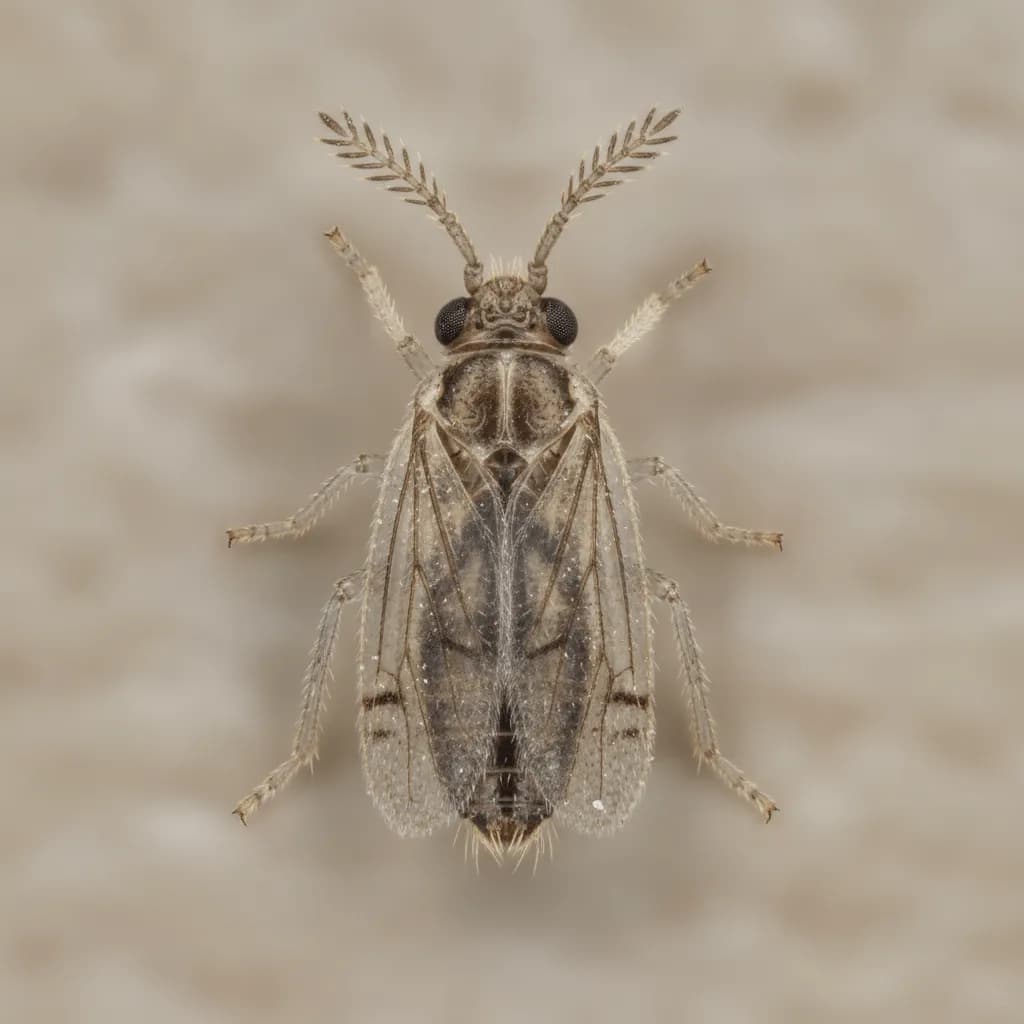
Psocid
Liposcelis spp.
Psocids are extremely small, moisture-dependent insects commonly found in damp indoor environments.
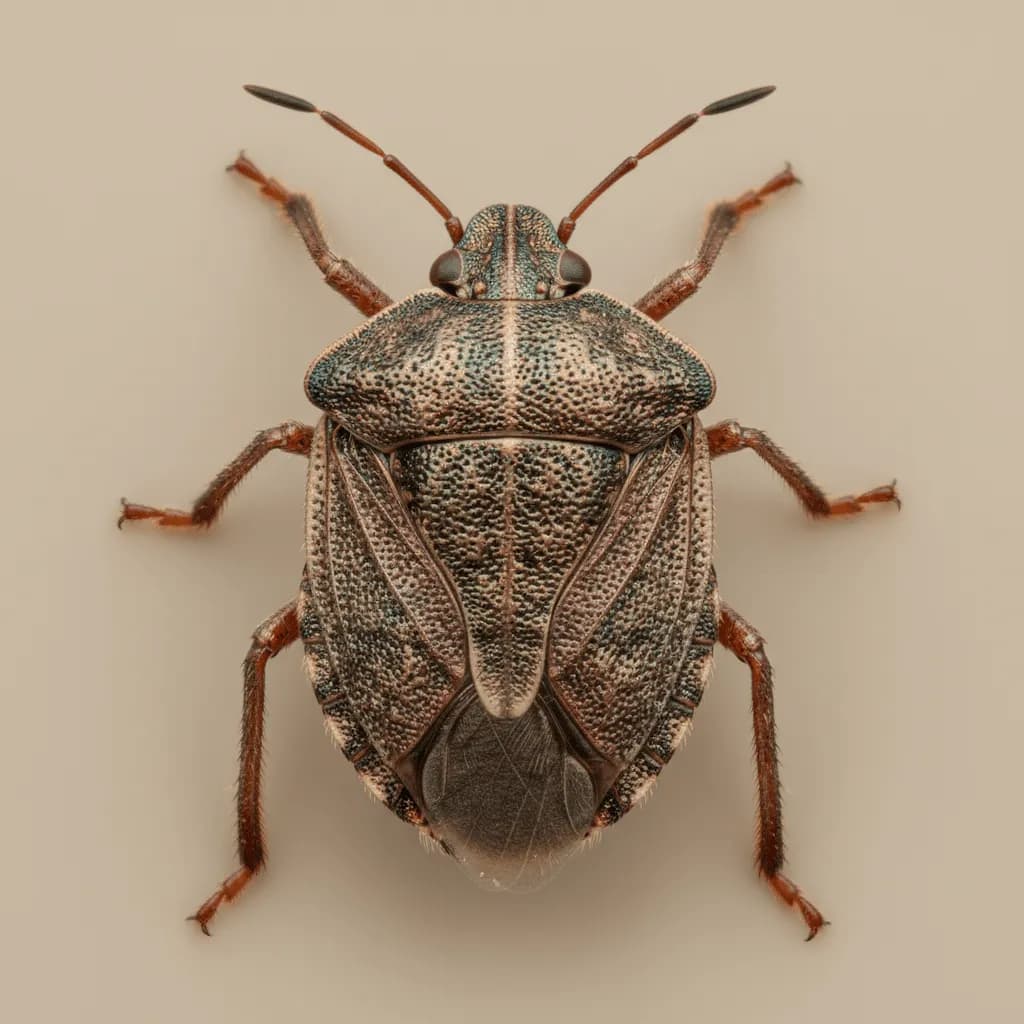
Kudzu Bug
Megacopta cribraria
The Kudzu Bug is an invasive species from Asia first detected in Georgia in 2009.
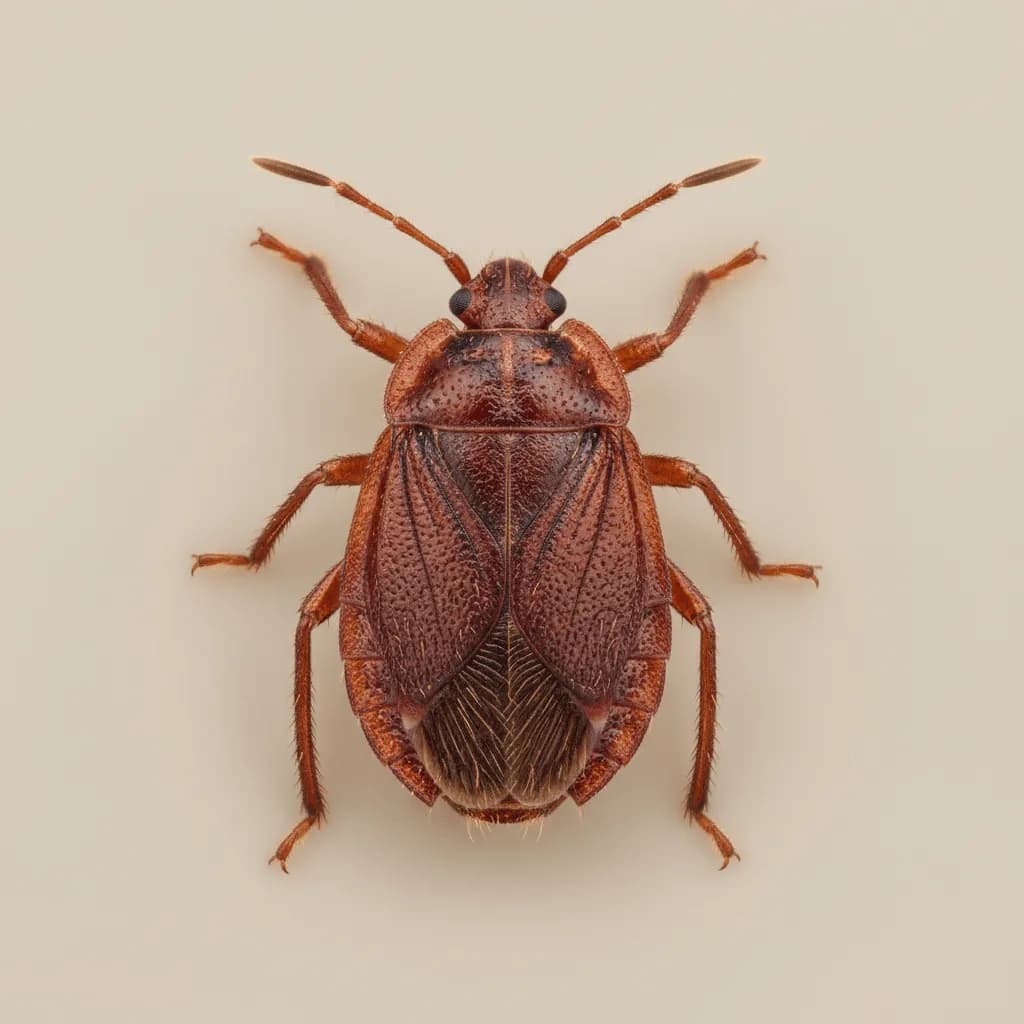
Tropical Bed Bug
Cimex hemipterus
The Tropical Bed Bug is the warm-climate counterpart of the common bed bug, found primarily in tropical and subtropical regions.
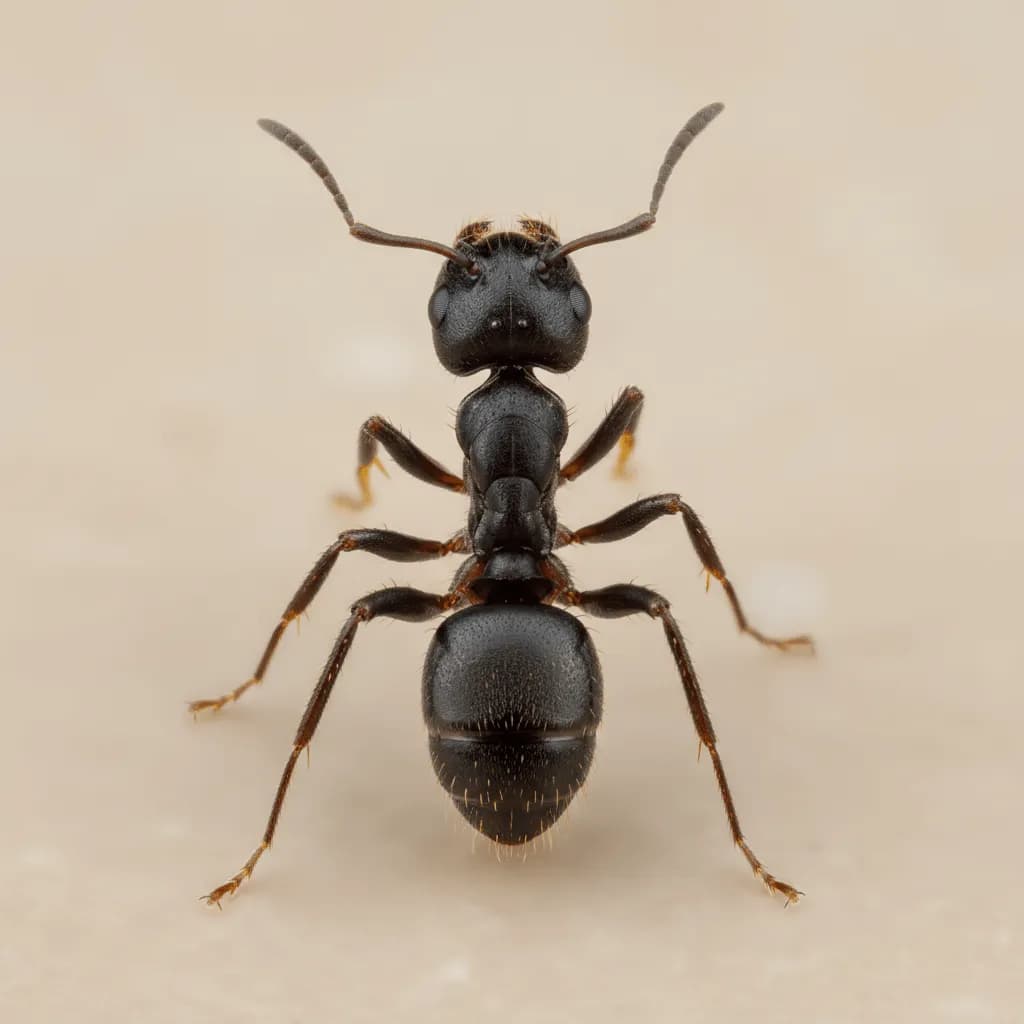
White-Footed Ant
Technomyrmex difficilis
The White-Footed Ant is an invasive species that forms enormous colonies, sometimes containing millions of individuals.
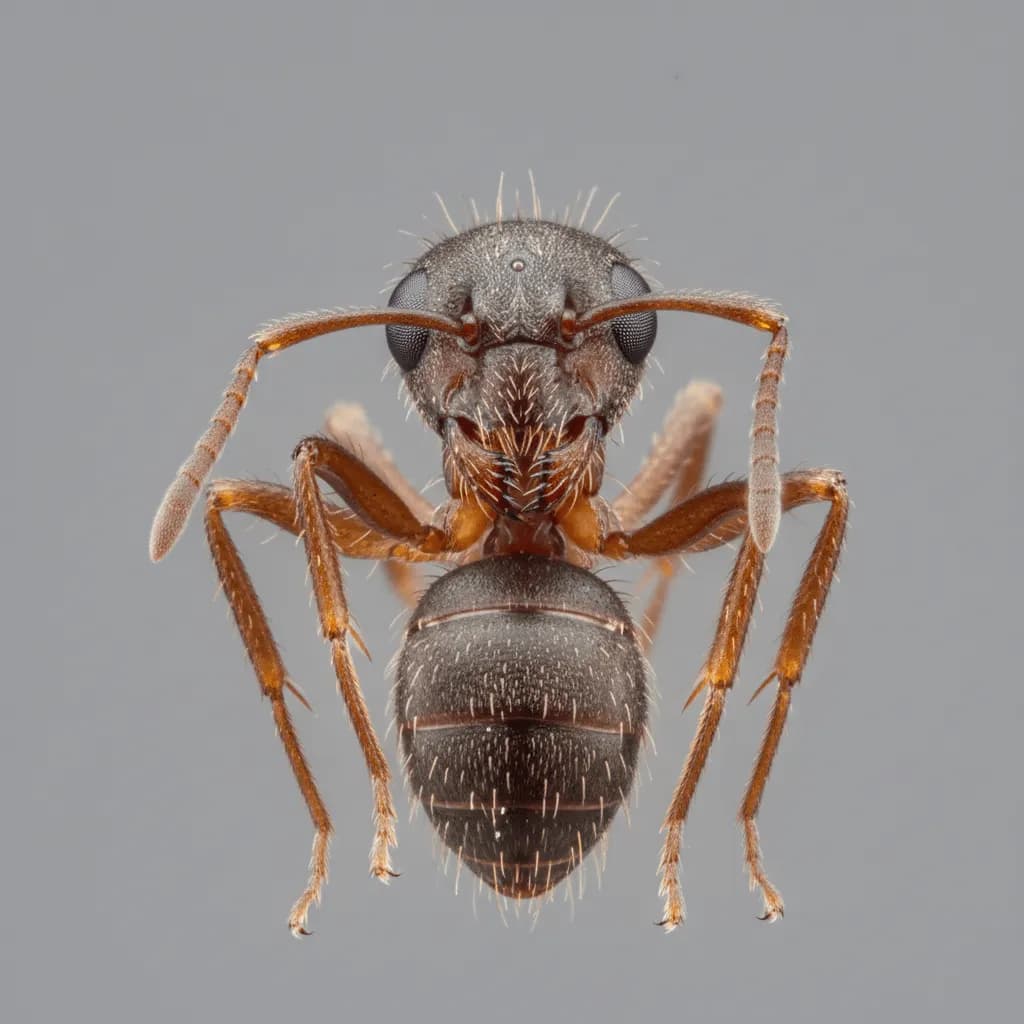
Rover Ant
Brachymyrmex patagonicus
The Rover Ant is one of the smallest pest ants in North America.
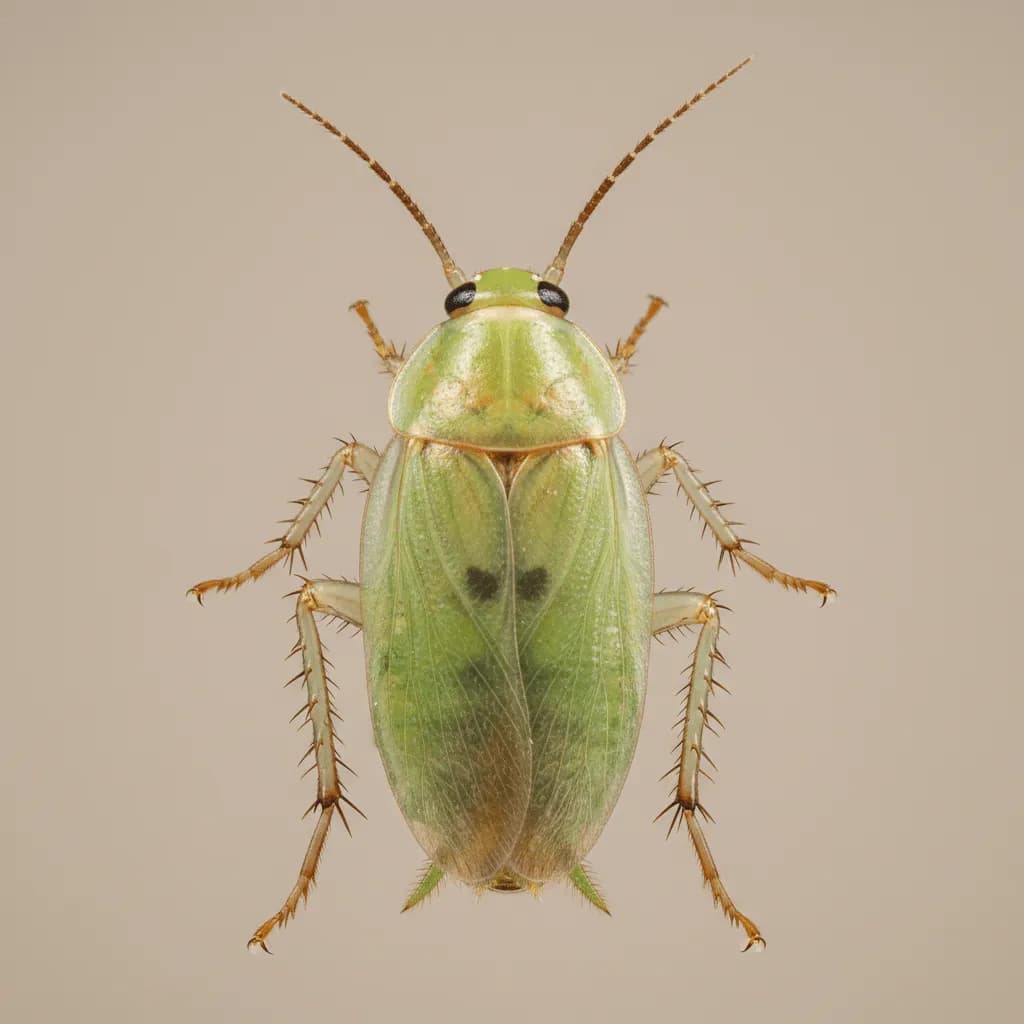
Cuban Cockroach
Panchlora nivea
The Cuban Cockroach is one of the few brightly colored cockroaches encountered in the United States.
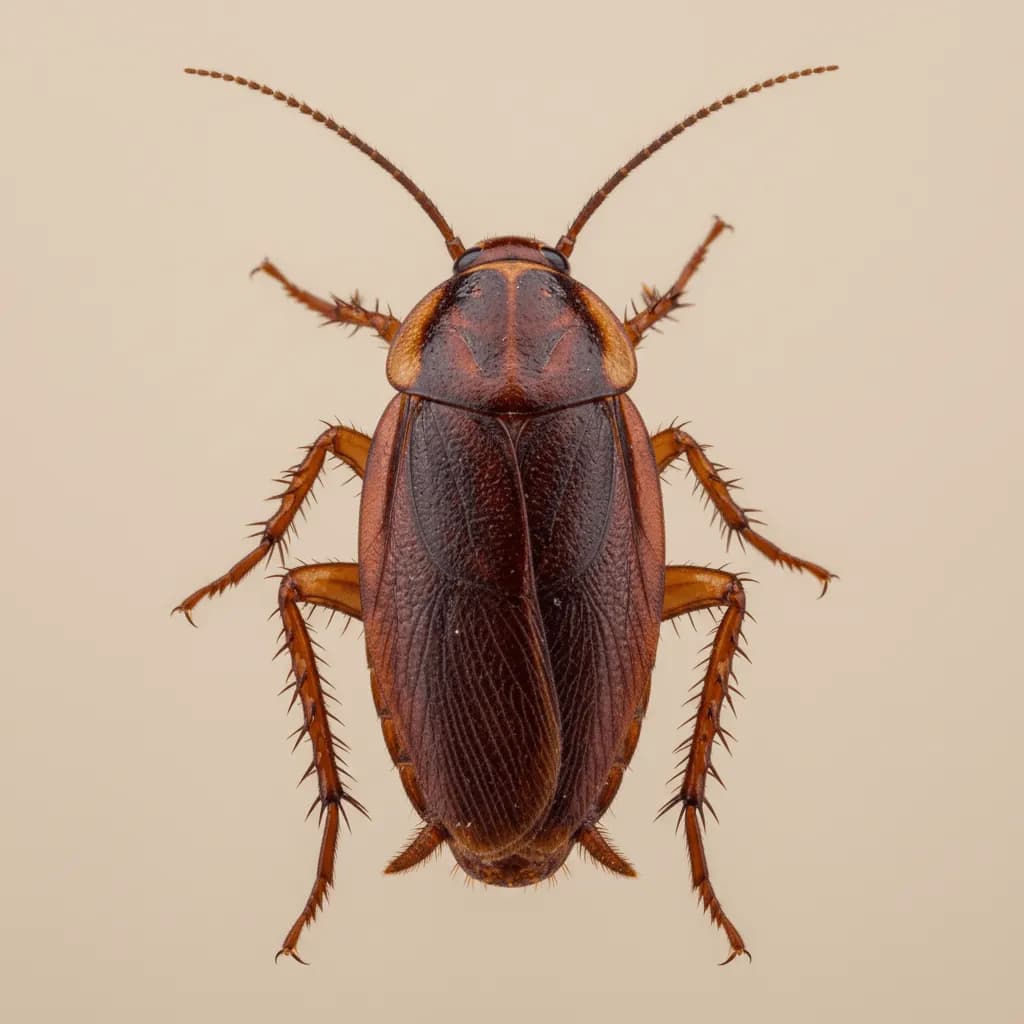
Florida Woods Cockroach
Eurycotis floridana
The Florida Woods Cockroach is a large, slow-moving roach native to the southeastern United States.
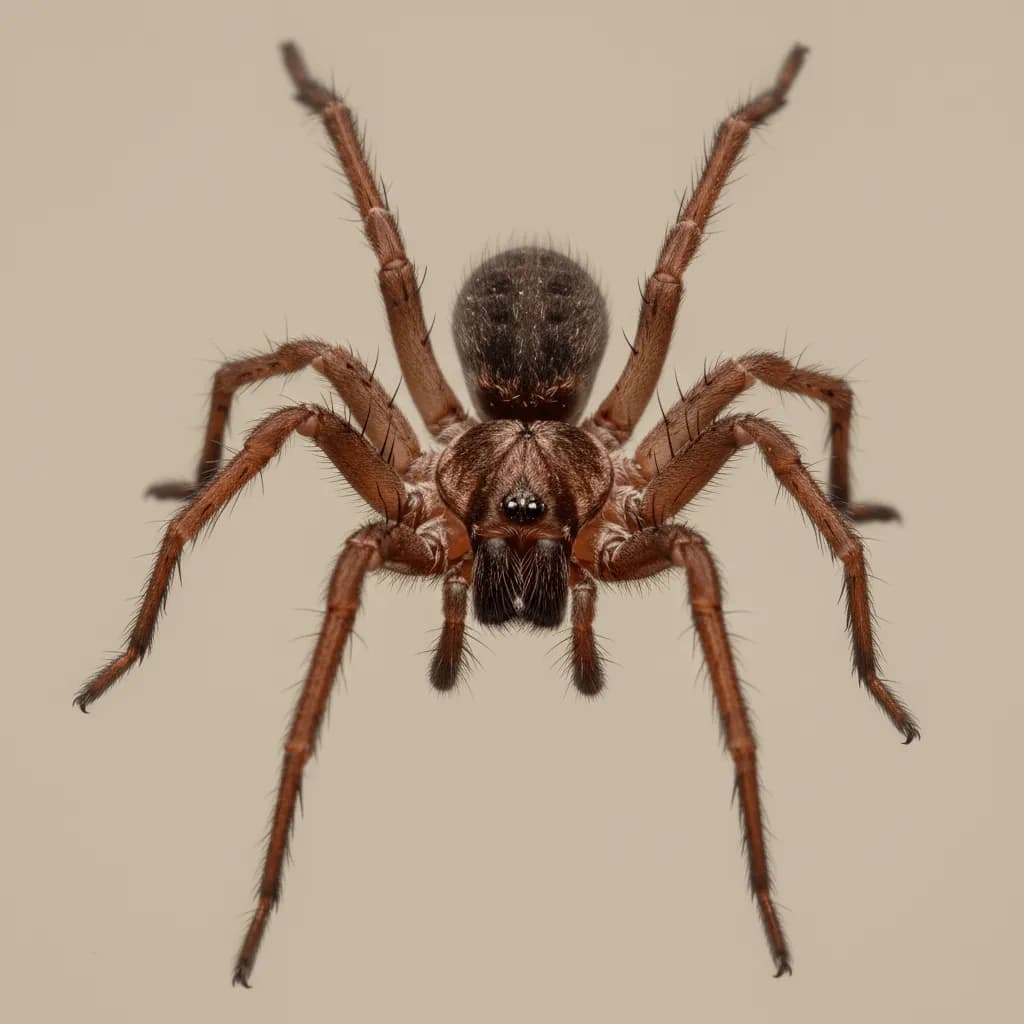
Southern House Spider
Kukulcania hibernalis
The Southern House Spider is one of the most commonly misidentified spiders in the southeastern United States, with males regularly mistaken for brown recluse spiders.
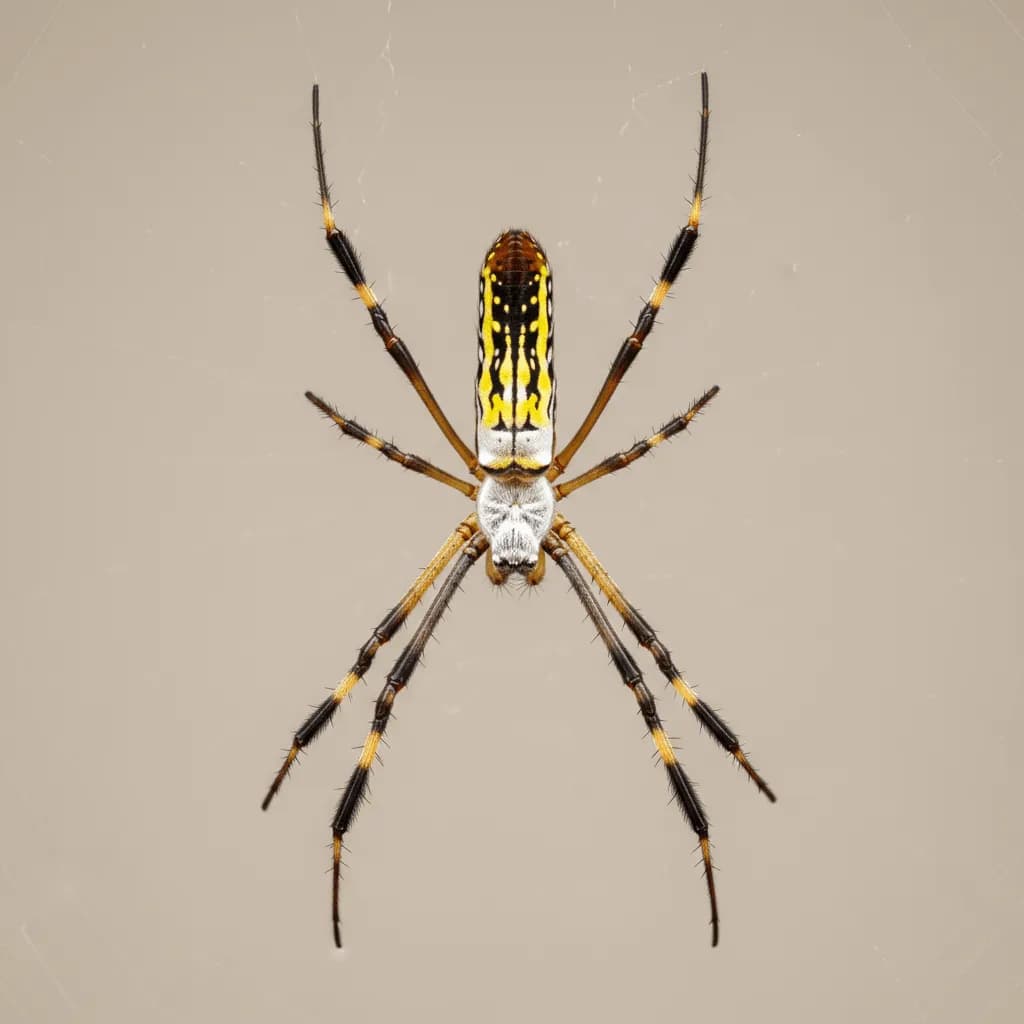
Banana Spider
Trichonephila clavipes
The Banana Spider, more accurately called the Golden Silk Orb-Weaver, is one of the largest and most conspicuous spiders in the southeastern United States.
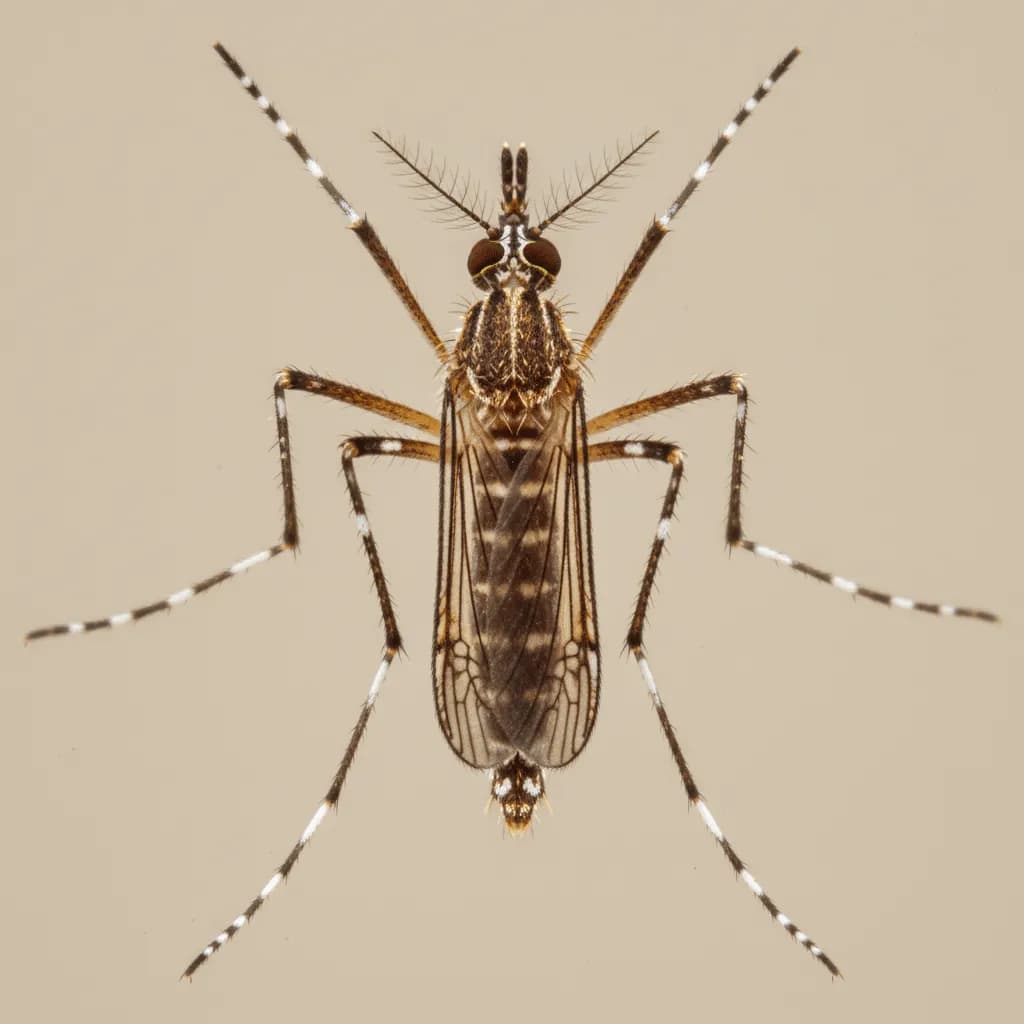
Eastern Saltmarsh Mosquito
Aedes sollicitans
The Eastern Saltmarsh Mosquito is one of the most abundant and aggressive biting mosquitoes along the Atlantic and Gulf coasts.
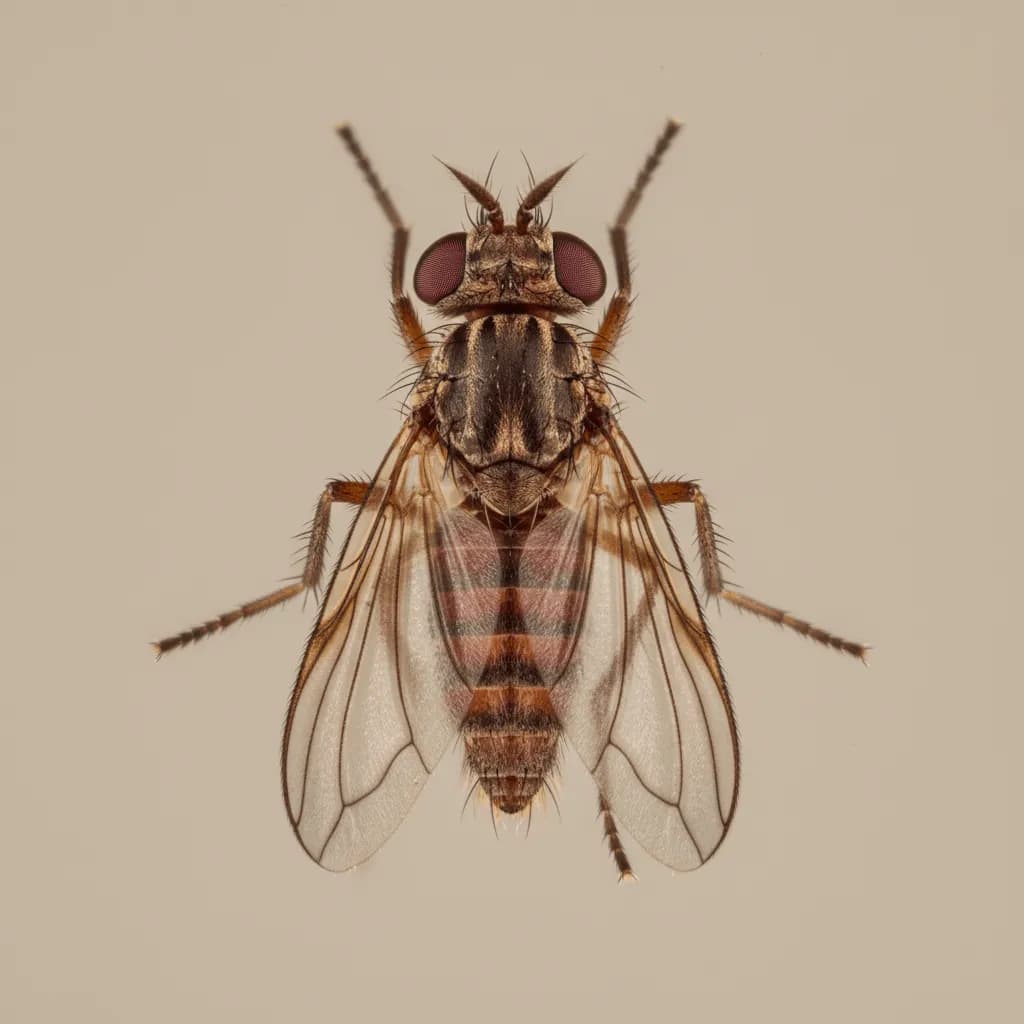
Sand Fly
Lutzomyia spp.
Sand flies are tiny biting flies in the family Psychodidae that are significant nuisance biters and disease vectors in tropical and subtropical regions.
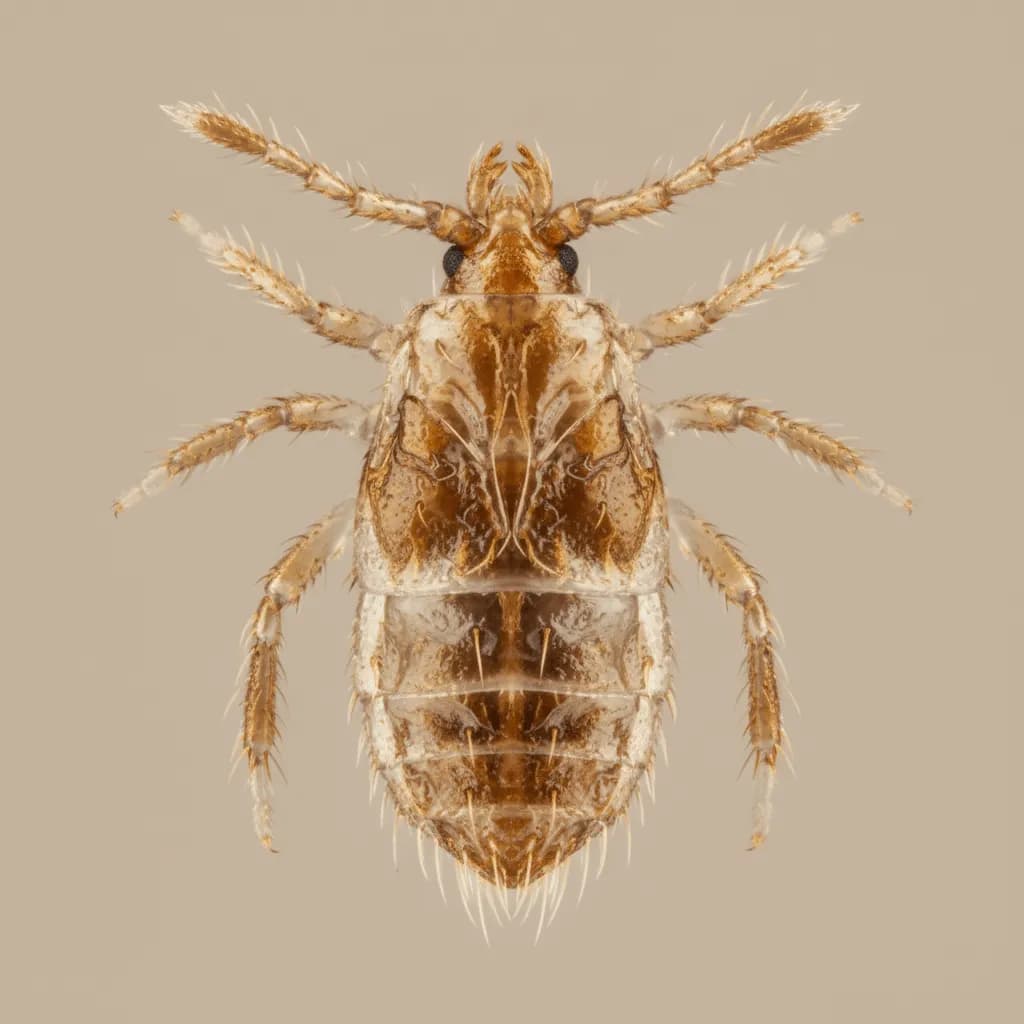
Grain Mite
Acarus siro
The Grain Mite is a microscopic stored product pest that thrives in high-humidity conditions.
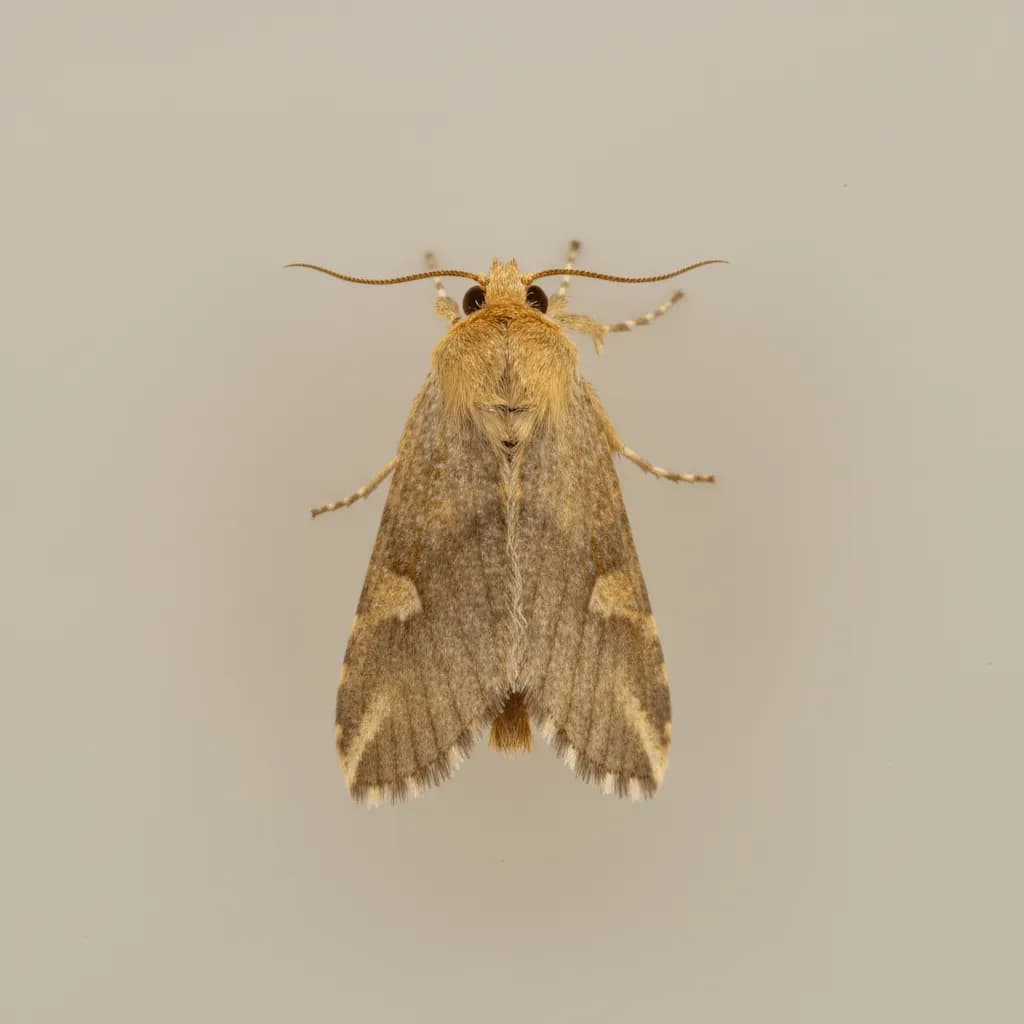
Angoumois Grain Moth
Sitotroga cerealella
The Angoumois Grain Moth is a significant pest of whole stored grain, particularly corn, wheat, and barley.
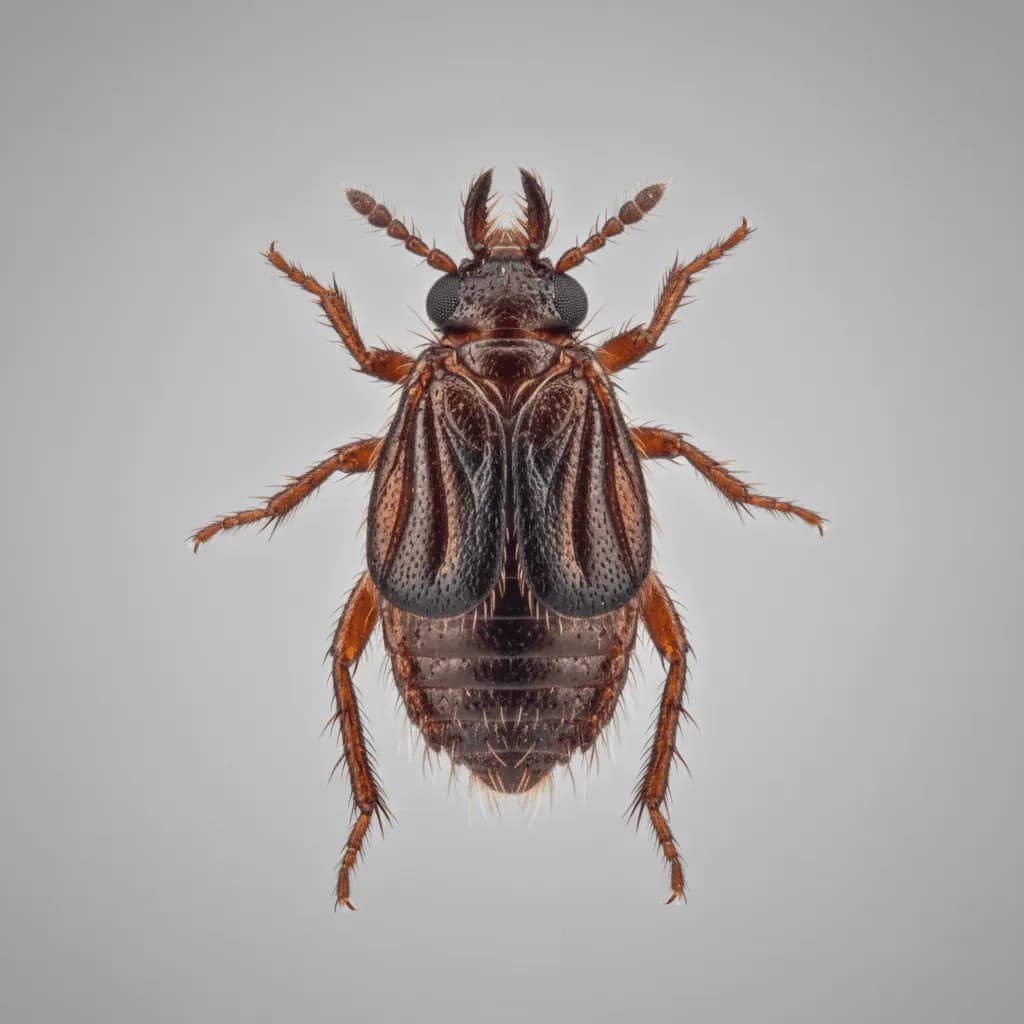
Cat Flea
Ctenocephalides felis
The Cat Flea is the most prevalent flea species in North America, infesting cats, dogs, and occasionally humans.
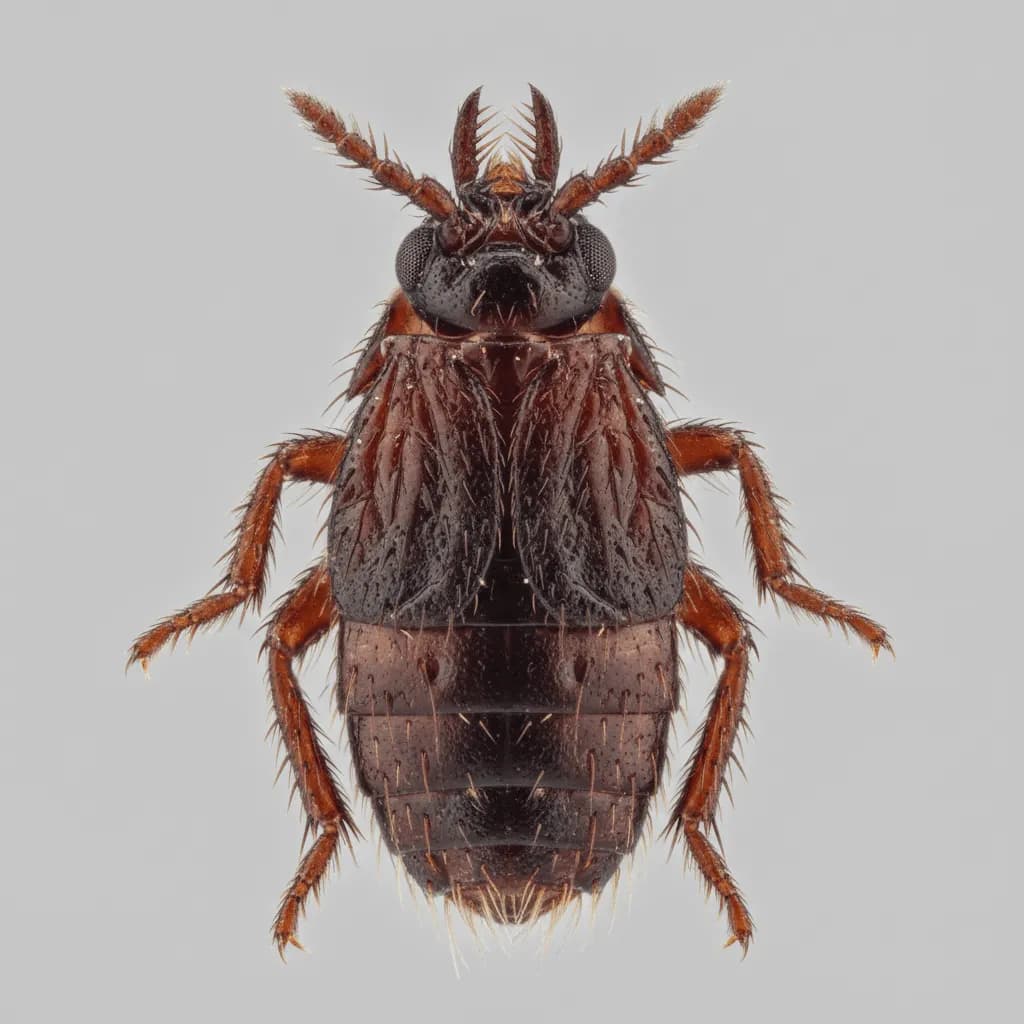
Dog Flea
Ctenocephalides canis
The Dog Flea is closely related to the cat flea and was historically considered the primary flea of domestic dogs.
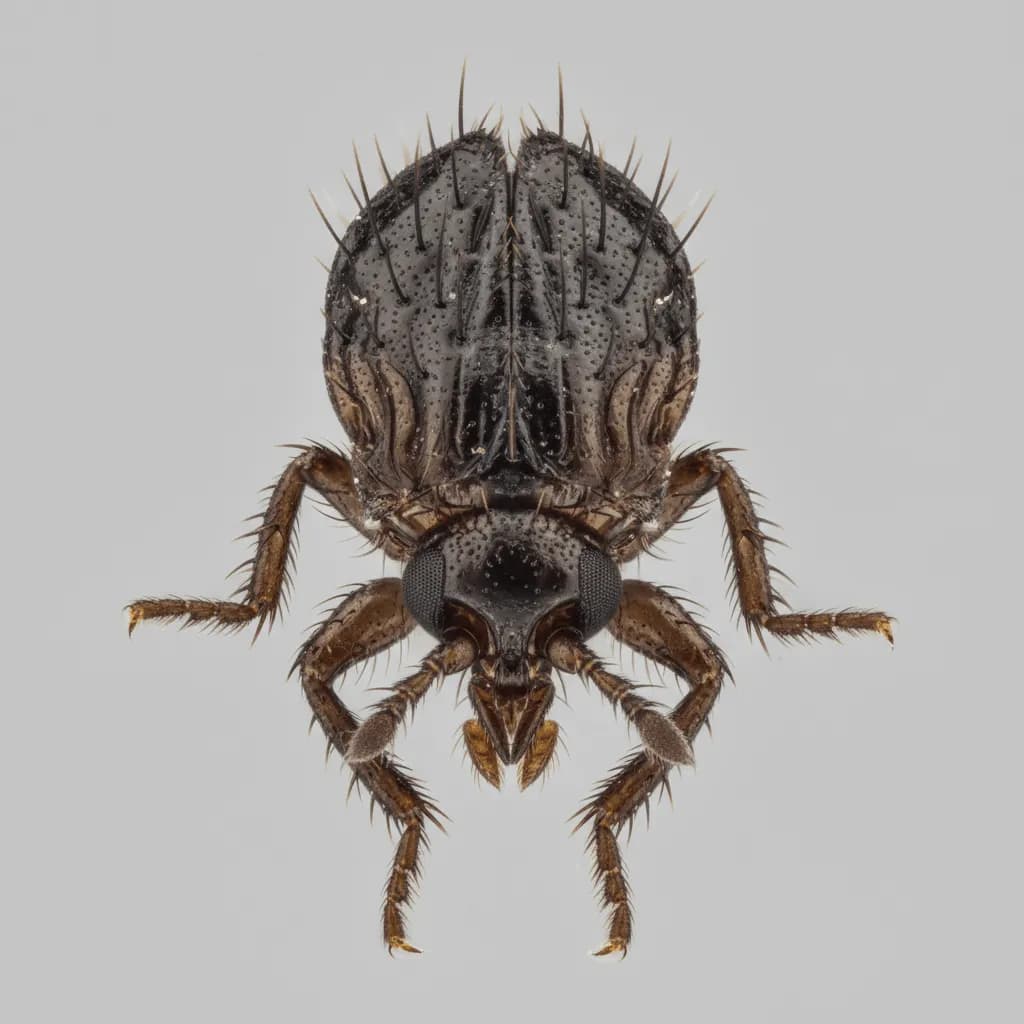
Human Flea
Pulex irritans
The Human Flea was once the dominant flea species found on people and is historically associated with plague transmission alongside the oriental rat flea.
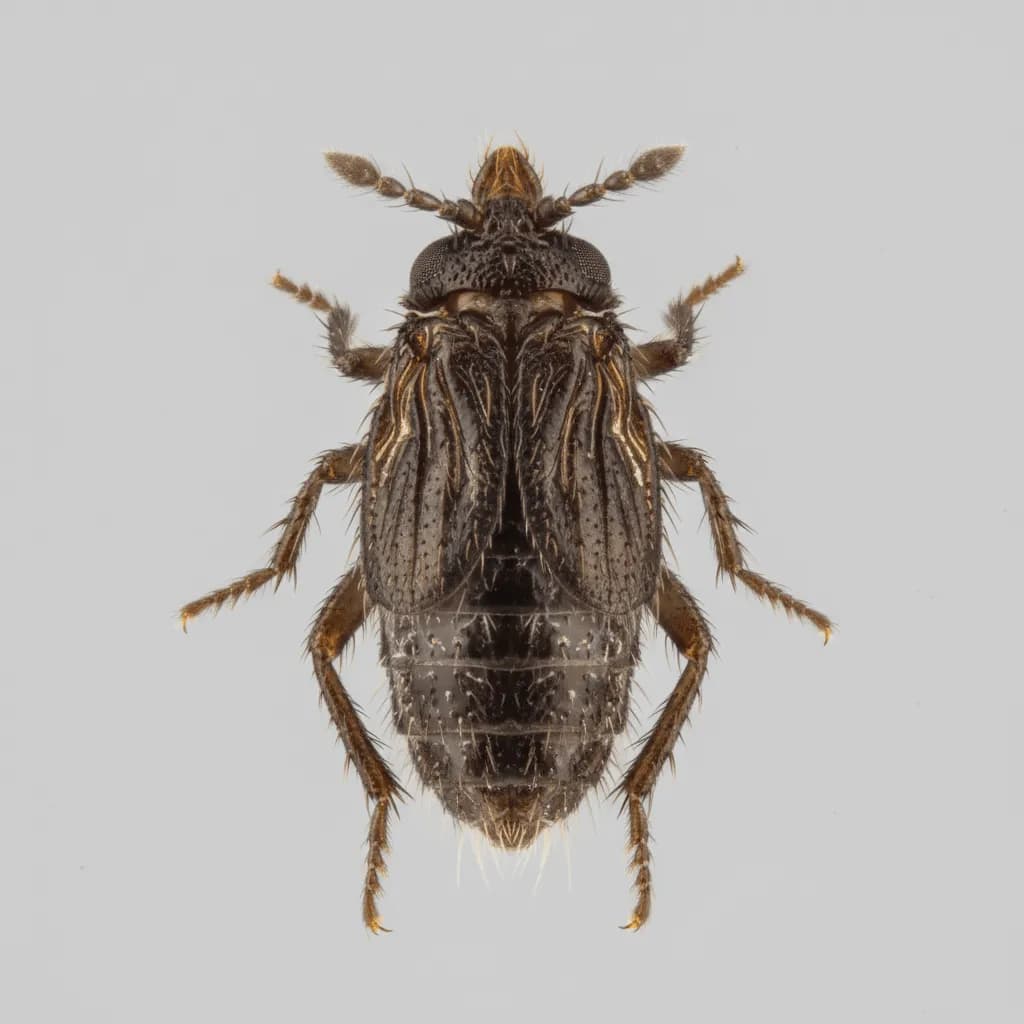
Oriental Rat Flea
Xenopsylla cheopis
The Oriental Rat Flea is the most medically significant flea species in human history, serving as the primary vector of bubonic plague (Yersinia pestis) and murine typhus (Rickettsia typhi).
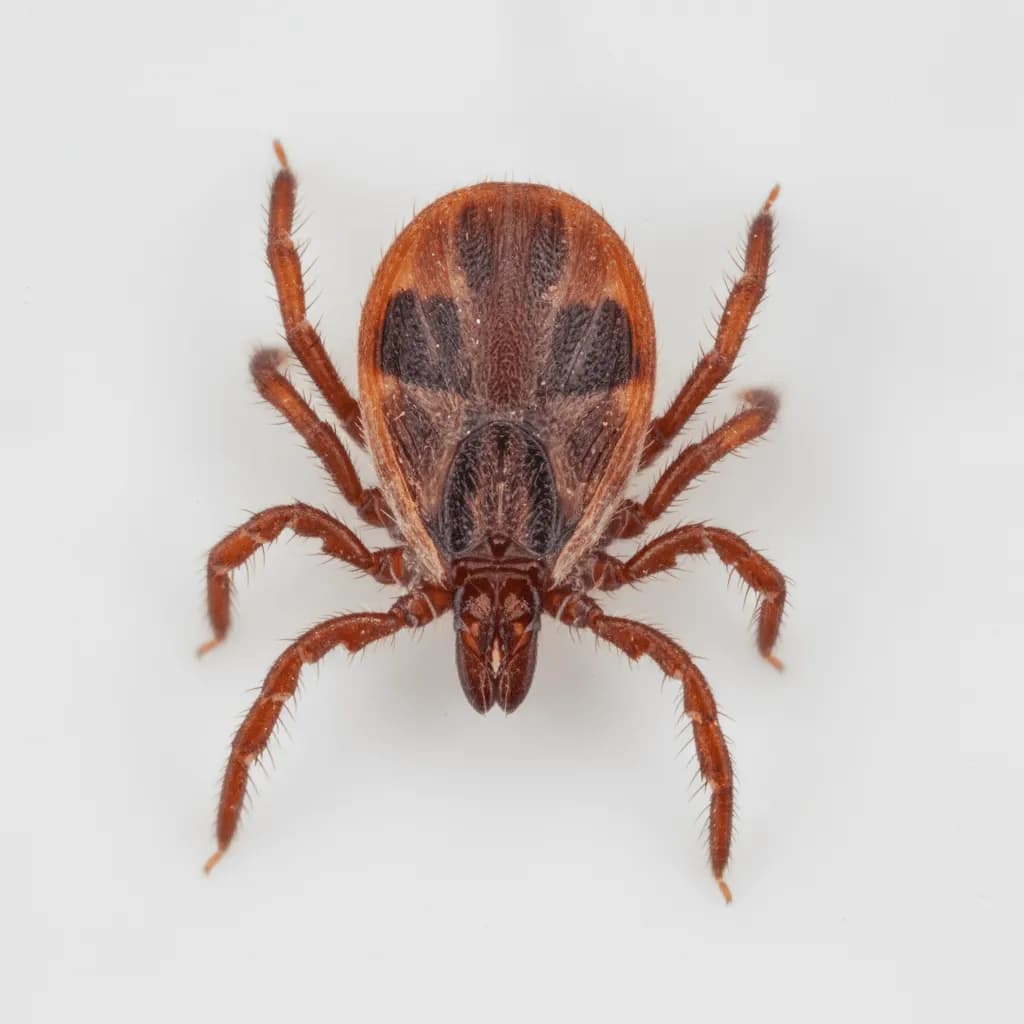
American Dog Tick
Dermacentor variabilis
The American Dog Tick is one of the most frequently encountered ticks in the eastern two-thirds of the United States.
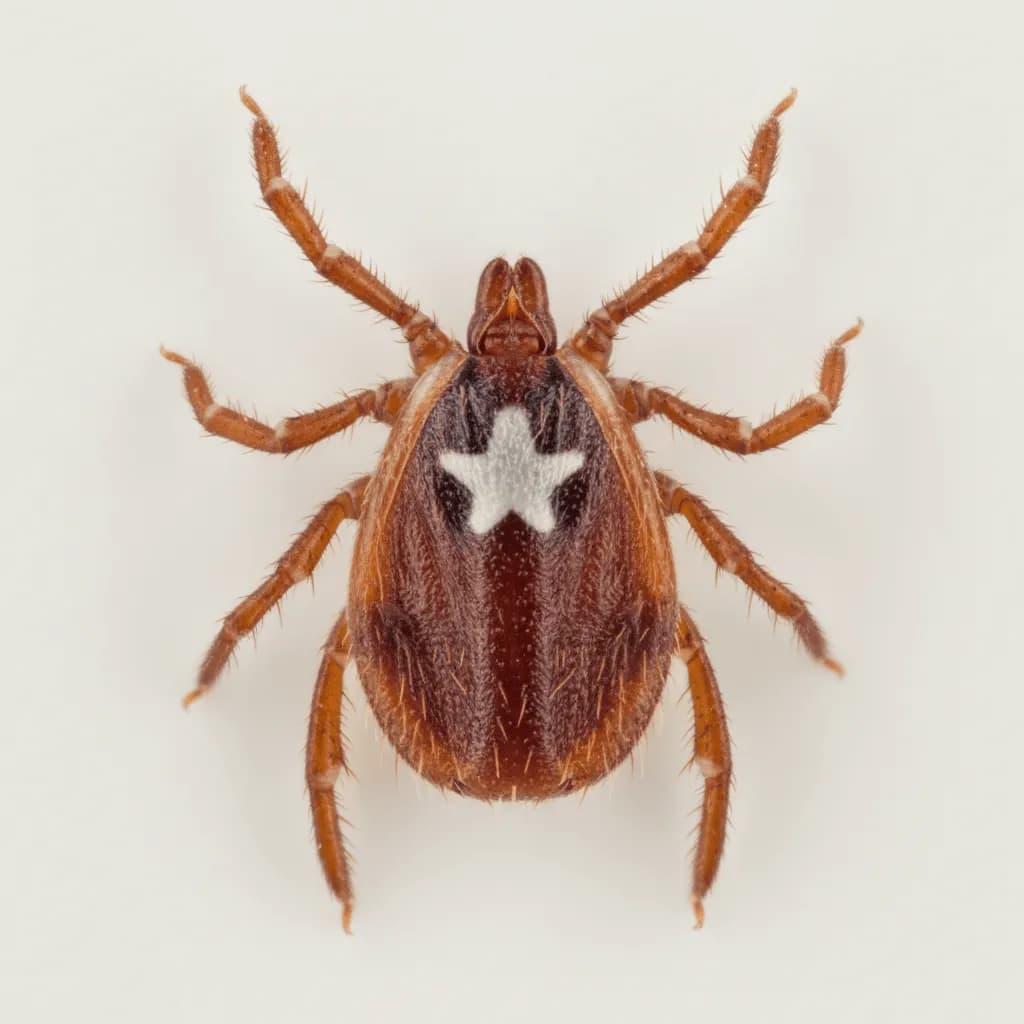
Lone Star Tick
Amblyomma americanum
The Lone Star Tick is an aggressive, three-host tick found throughout the southeastern and eastern United States.
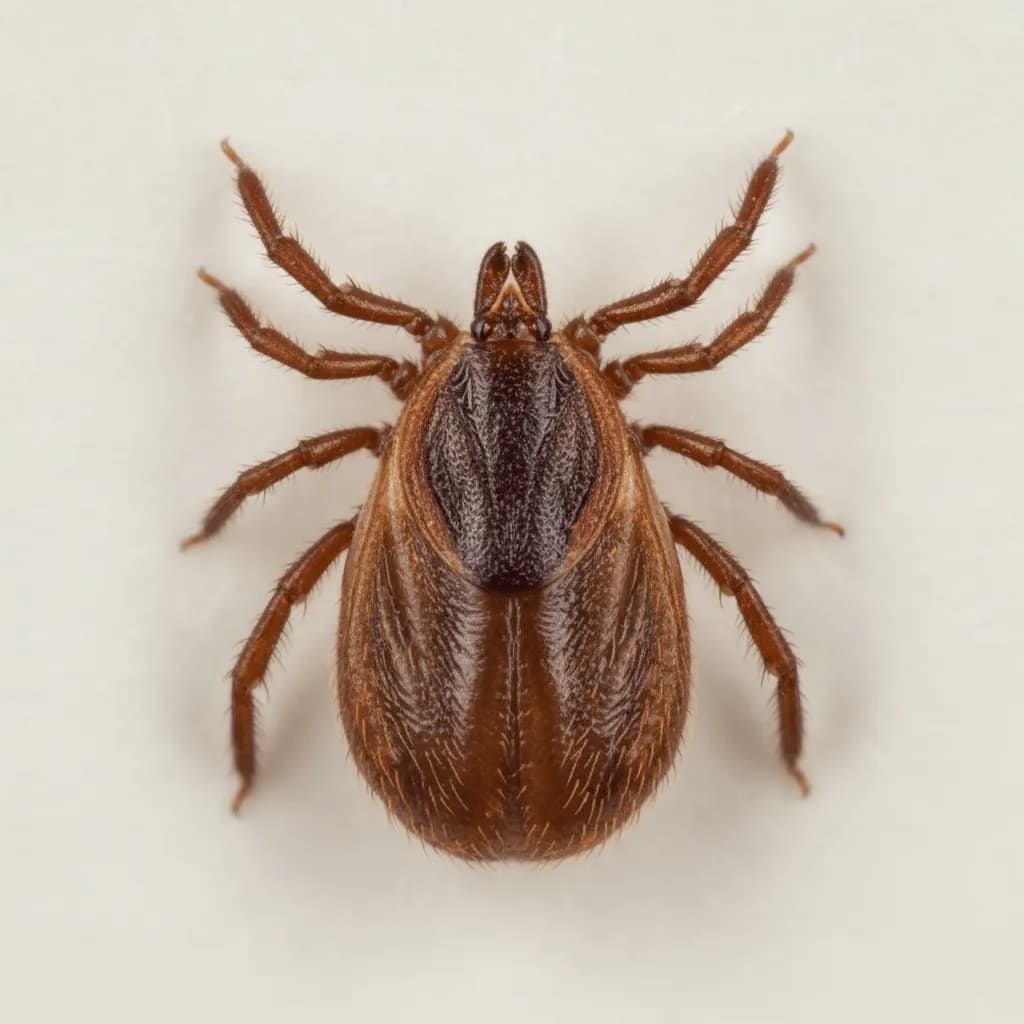
Brown Dog Tick
Rhipicephalus sanguineus
The Brown Dog Tick is unique among North American ticks in its ability to complete its entire life cycle indoors, making it a serious pest of homes and kennels.
Need Help With Pests in Texas?
If you're seeing signs of pests in Texas in or around your home, professional treatment is the fastest way to stop the problem. Lotus Pest Control offers free inspections to identify the issue and recommend the right solution.